odp
121 to 144 of 296 locations
-
Het Monnikenbos
Het Monnikenbos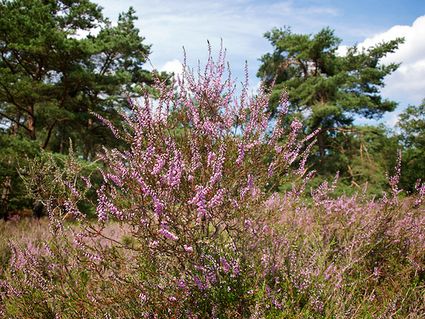
Birkstraat 150
3768 HP SOEST -
Restaurant De Dennen
Restaurant De Dennen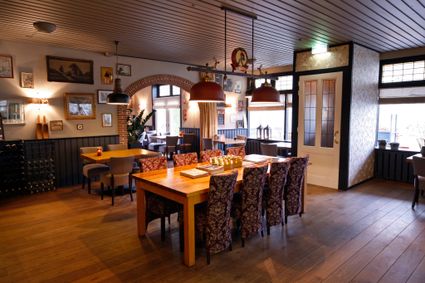
3927 AW Renswoude -
The Waterloo Needle
The Waterloo Needle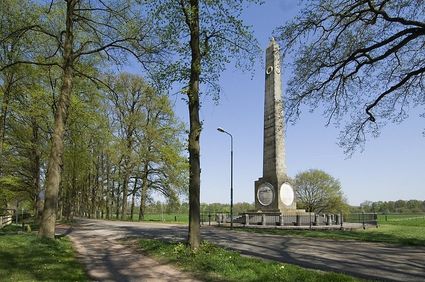
3742 CR Baarn -
Climb the Tower
Climb the Tower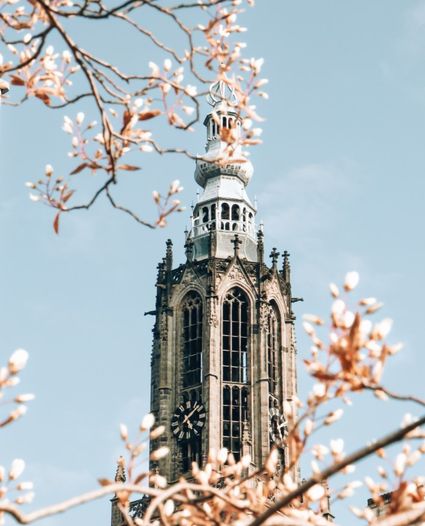
3811 BN Amersfoort -
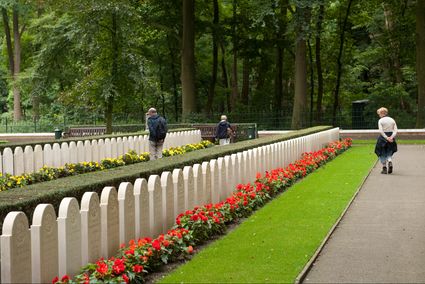
Grebbeberg Military Cemetery
Grebbeberg Military Cemetery
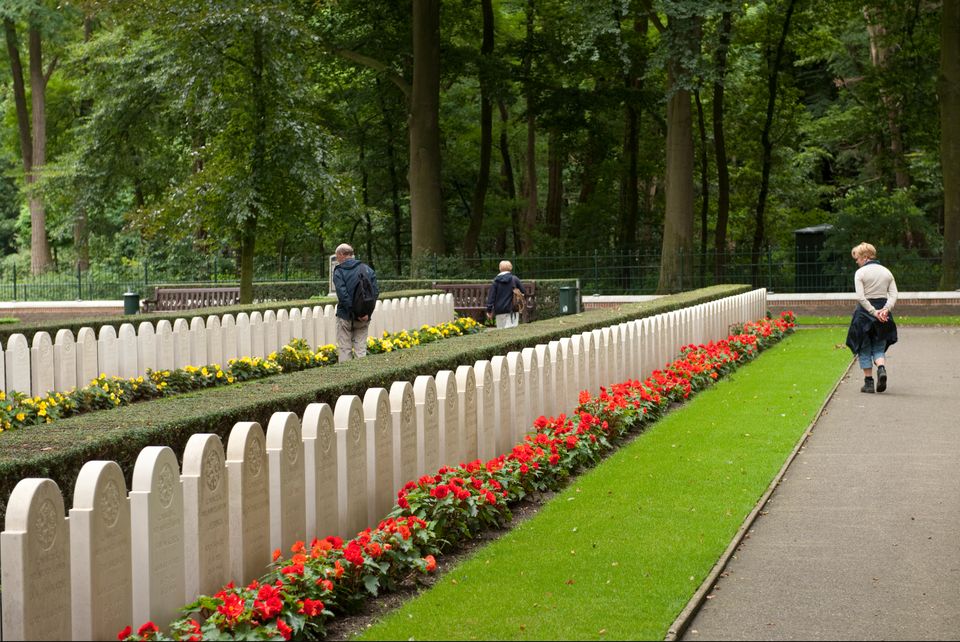
The largest battle of the Dutch army in WWII took place on Grebbeberg Hill. Here poorly armed and untrained men held their ground against a very powerful and ruthless opponent for three days. Grebbeberg Military Cemetery is the final resting place for more than 800 soldiers and 1 citizen who perished here in the Second World War. It is located on Grebbeberg Hill at Rhenen, and was a battlefield of just a few square kilometres, but is full of stories of the courage of desperation in the Netherlands.
The information centre, with an exhibition about the events on Grebbeberg Hill during “The Battle for Grebbeberg Hill” in May 1940, is open daily from 9:00 am to 5:00 pm.
3911 AV Rhenen -
-
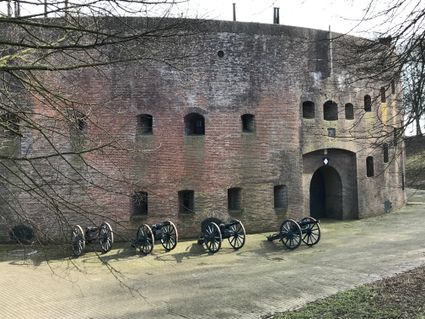
Fort Honswijk
Fort Honswijk
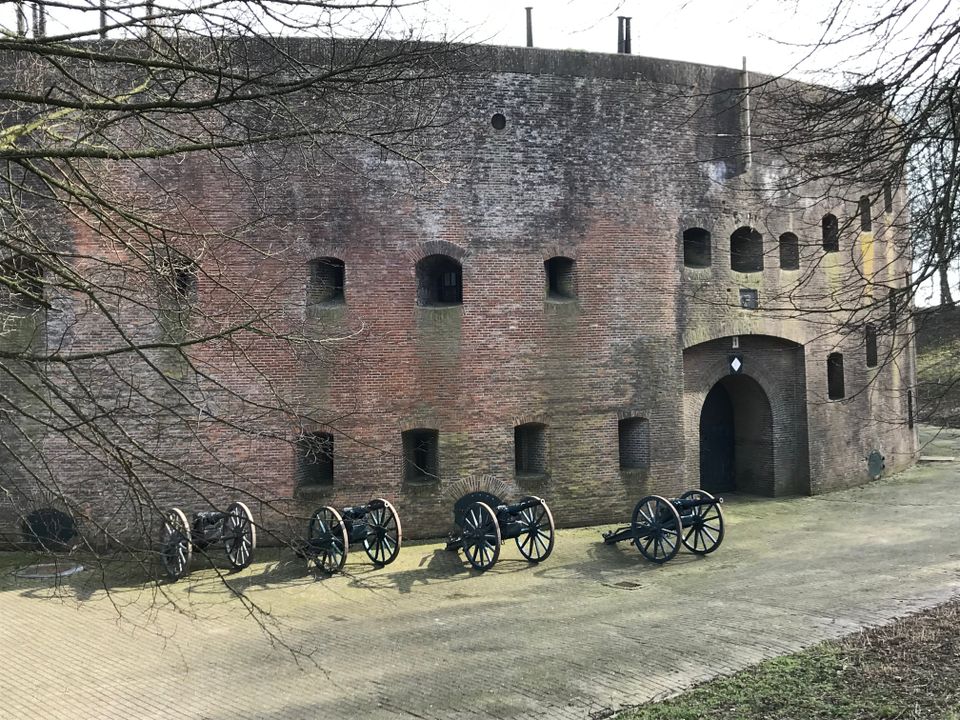
Fort Honswijk, situated on the Lek River, is one of the most prominent forts of the New Dutch Waterline. Fort Honswijk's tower (built between 1841 and 1848) is the oldest and largest in the Waterlinie and possesses singular architectural beauty. Fort Honswijk was designed to stop the enemy from crossing the Lekdijk dike and to close off the Lek River in cooperation with Fort Everdingen on the opposite banks of the Lek.
3998 NJ Schalkwijk -
-
Amersfoort Zoo
Amersfoort Zoo
3819 AC Amersfoort -
Koppelpoort (gate)
Koppelpoort (gate)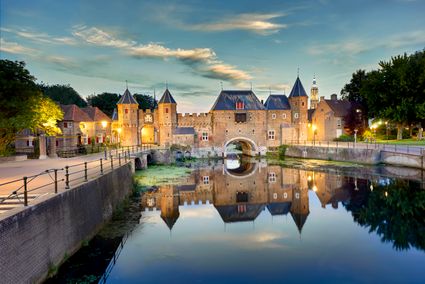
3811 MG Amersfoort -
Hoeve Ravenstein
Hoeve Ravenstein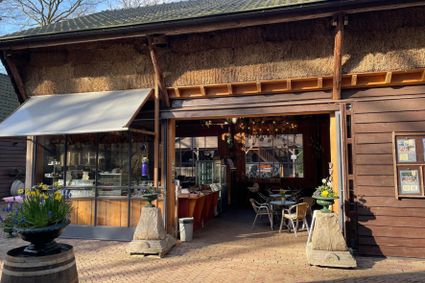
3744 ML Baarn -
Zoo Amersfoort
Zoo Amersfoort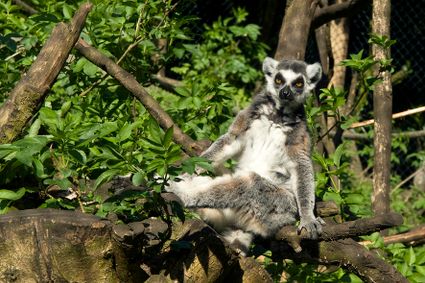
3819 AC Amersfoort -
Canals and shipyards
Canals and shipyards
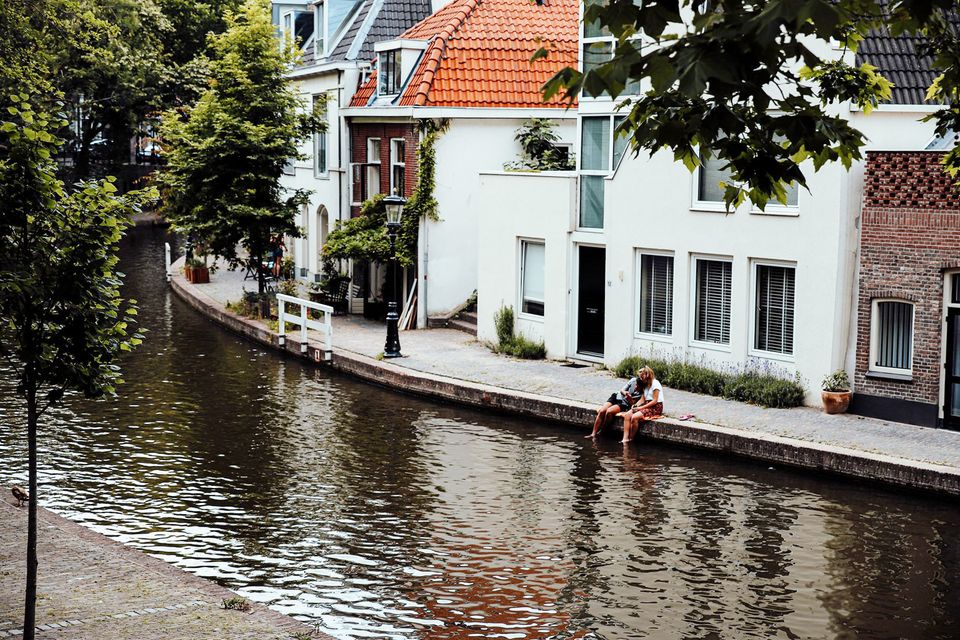
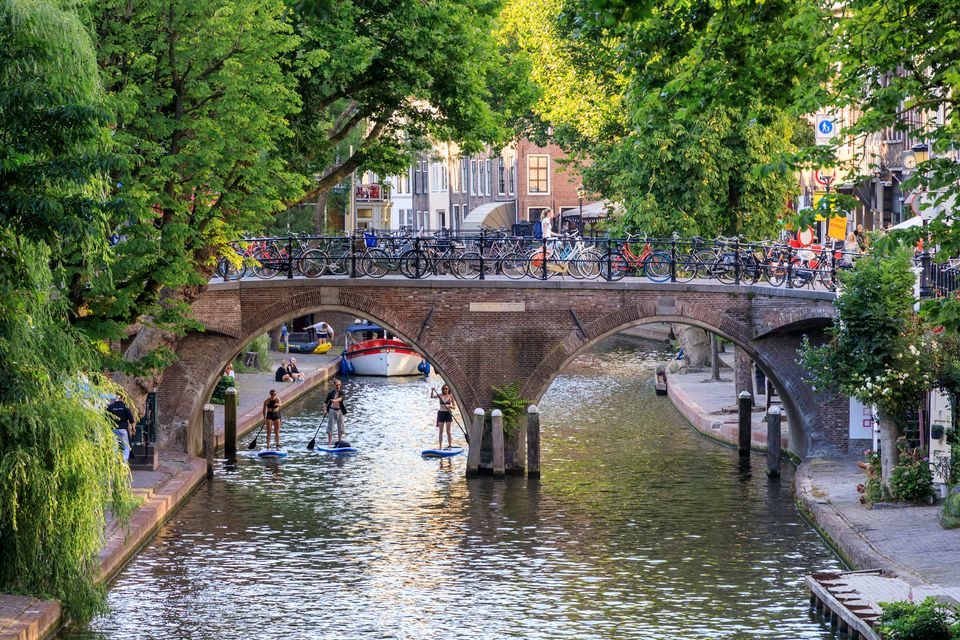
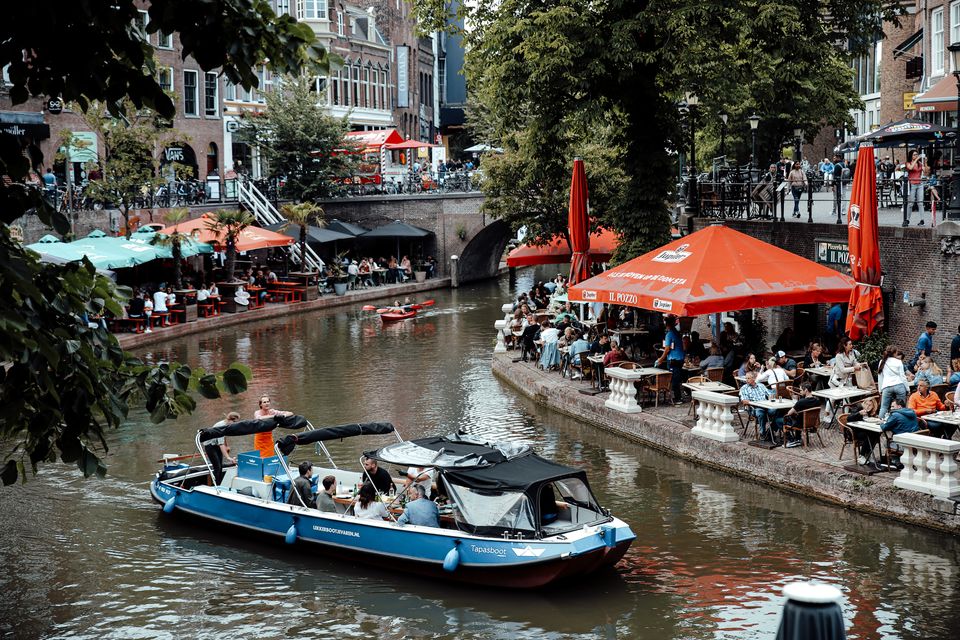
The Utrecht canals with their wharves and wharf cellars are unique in the world.
The 12th Century Oudegracht was built to change the course of the Oude Rijn river. Connecting the river Vecht in the north to the Vaartsche Rijn in the south, the Oudegracht was destined to become an elongated harbour. Large city castles were built along the canal and in the 13th Century, shipyards were built as second streets at water level. The deep cellars, serving as storage spaces, ran through to below the houses. Today, the canals and shipyards are home to shops, restaurants and private residences.
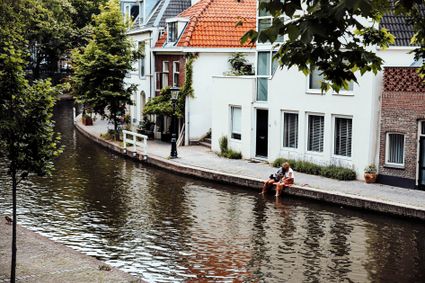
3511 AZ Utrecht -
-
TOP Island of Schalkwijk
TOP Island of Schalkwijk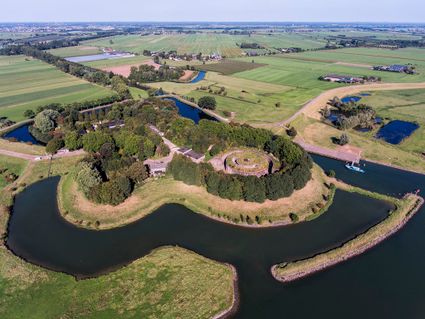
3998 JE Schalkwijk -
Café-Restaurant De Lage Vuursche
Café-Restaurant De Lage Vuursche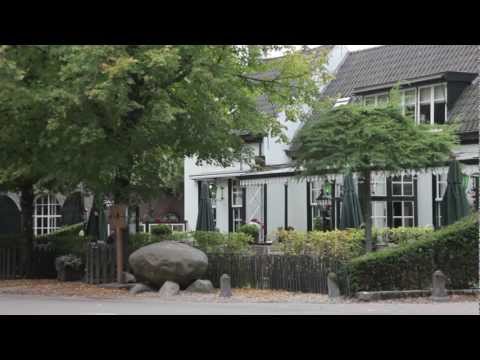
3749 AD Lage Vuursche -
Soesterduinen
Soesterduinen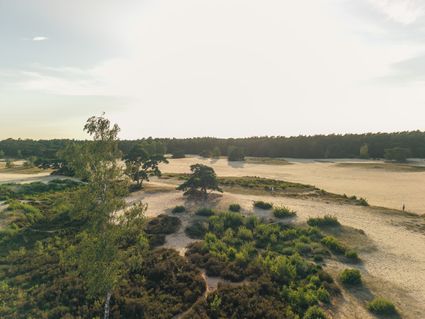
Foekenlaan 25
3768 BJ Soest -
Prattenburg Estate
Prattenburg Estate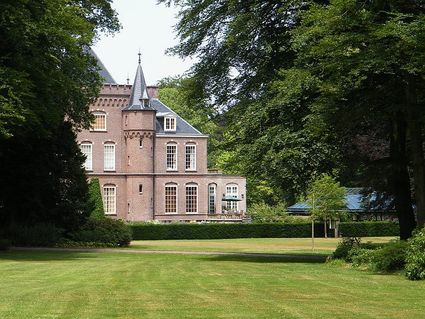
3911 RW Rhenen -
Stoomgemaal Teijlingens Kamerik
Stoomgemaal Teijlingens Kamerik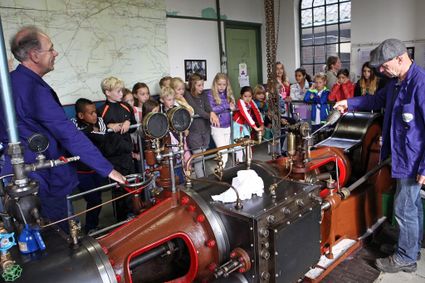
3471 GC Kamerik -
TOP Zeist Castle
TOP Zeist Castle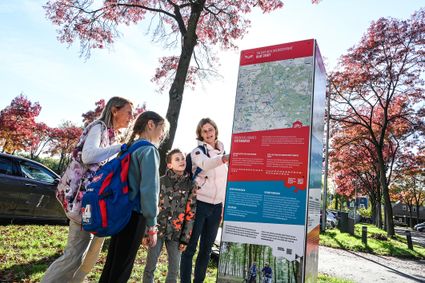
3703 CE Zeist -
Grachten Galerie
Grachten Galerie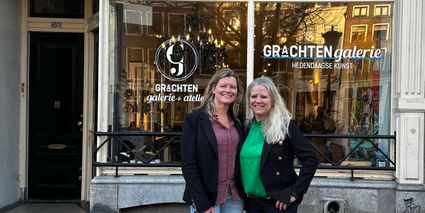
3511 NE Utrecht -
Museum Spakenburg
Museum Spakenburg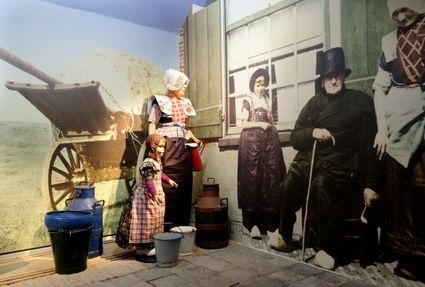
3752 AH Bunschoten-Spakenburg -
Molen de Windhond
Molen de Windhond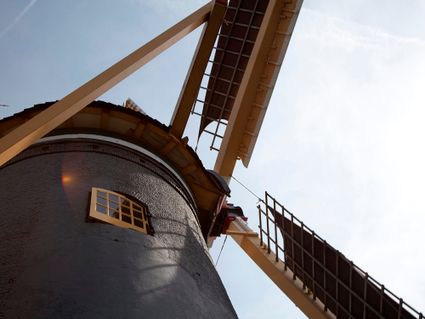
3447 GR Woerden -
De Paltz Estate
De Paltz Estate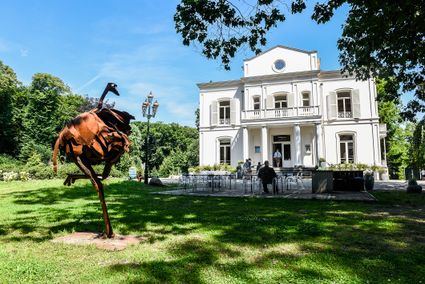
3768 MZ Soest -
Boerderij het Gagelgat: Boerderij van 't Jaar!
Boerderij het Gagelgat: Boerderij van 't Jaar!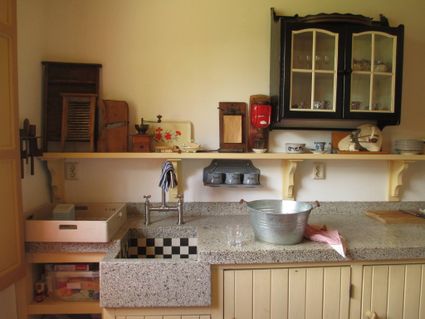
Birktstraat 107
3768 HD Soest -
Schaapskooi Heidestein
Schaapskooi Heidestein
Hoog Kanje 186
3708 XA Zeist -
Café-Restaurant-Hotel Buitenlust
Café-Restaurant-Hotel Buitenlust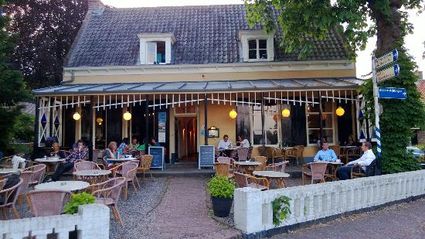
Burg. Jhr. H v.d. Boschstraat 13
3958 CA Amerongen