odp
25 to 48 of 294 locations
-
Landgoed Zuylestein
Landgoed Zuylestein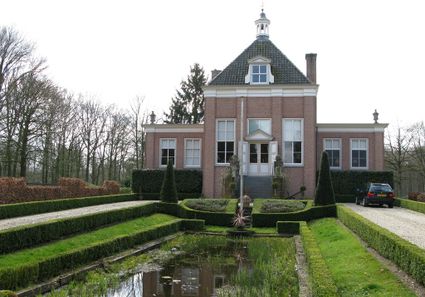
3956 CH Leersum -
Naarden Vesting
Naarden Vesting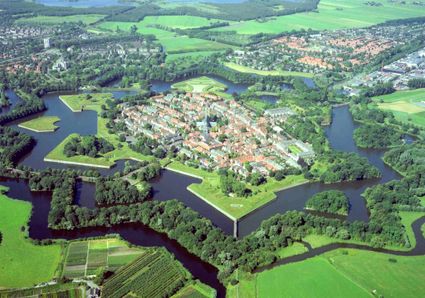
Ruijsdaelplein 10
1411 EA Naarden-Vesting -
Museum Castle Amerongen
Museum Castle Amerongen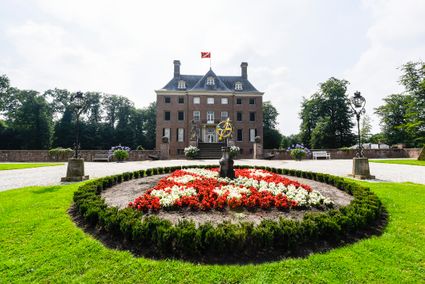
Drostestraat 20
3958 BK Amerongen -
Bike boat Loosdrecht
Bike boat Loosdrecht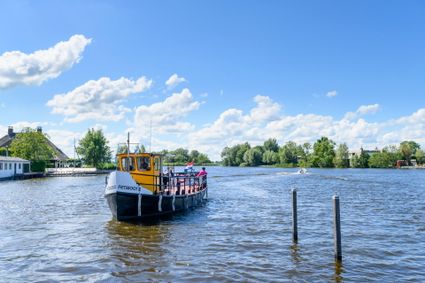
Oud-Loosdrechtsedijk
1231 LW Loosdrecht -
Landgoed Bredius
Landgoed Bredius
3443 BG Woerden -
TOP Museum Spakenburg
TOP Museum Spakenburg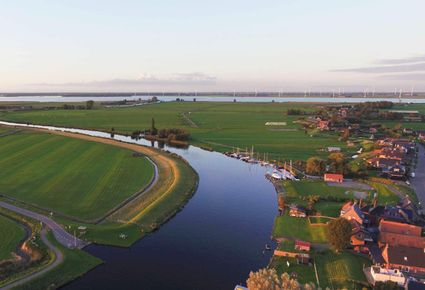
Spakenburg -
Air Base Park Soesterberg
Air Base Park Soesterberg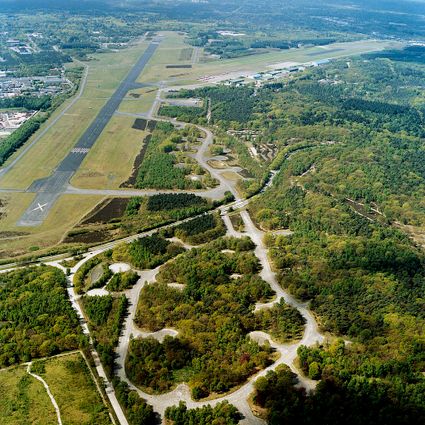
3768 MX Soest -
Koppelpoort (gate)
Koppelpoort (gate)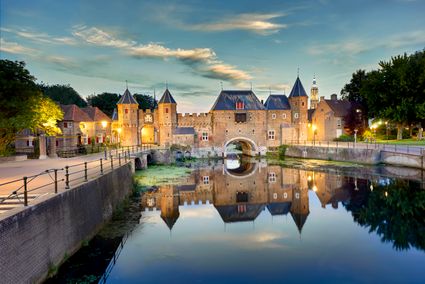
3811 MG Amersfoort -
National Military Museum
National Military Museum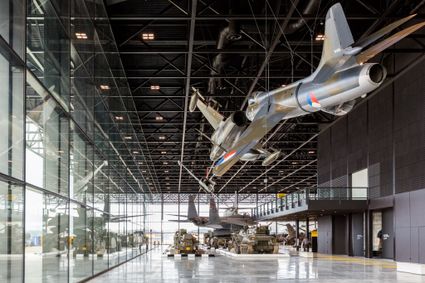
3768 MX Soest -
Amaliastein
Amaliastein
Daunstraat 26
4133 JE Vianen -
Stayokay Utrecht Centrum
Stayokay Utrecht Centrum
3512 AD Utrecht -
TOP Island of Schalkwijk
TOP Island of Schalkwijk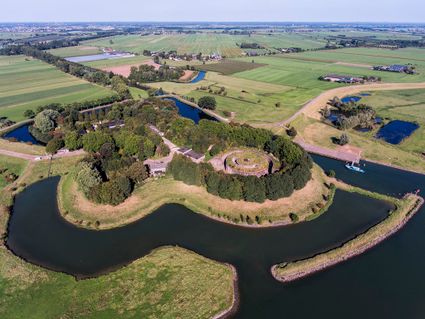
3998 JE Schalkwijk -
Bicycle Boat, stop NIeuwersluis
Bicycle Boat, stop NIeuwersluis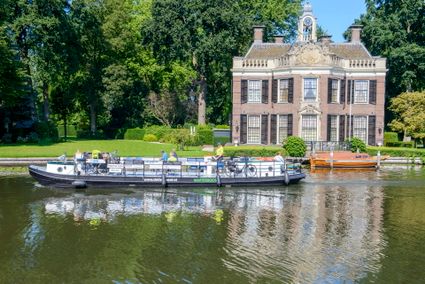
zandpad 9
3631 NK Nieuwersluis -
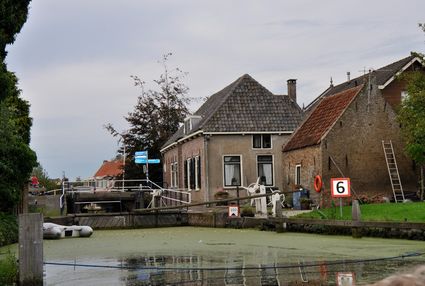
Goejanverwelle lock
Goejanverwelle lock
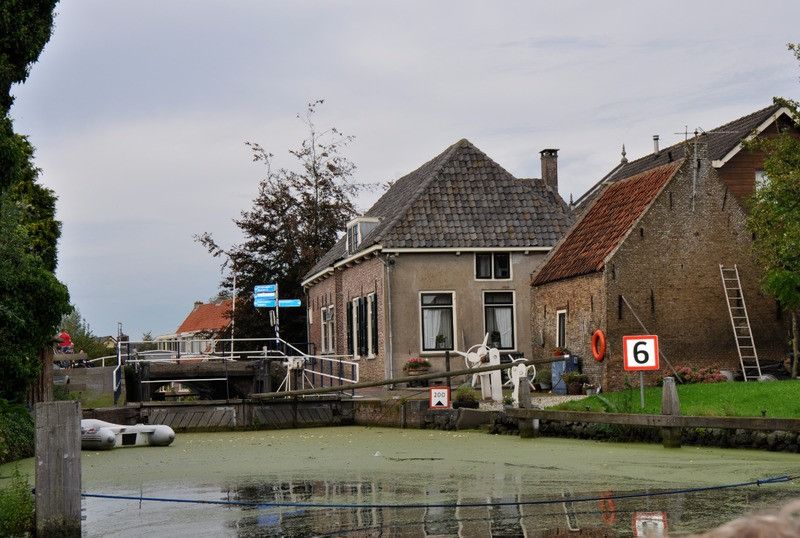
The Goejanverwelle lock and the Enkele Wiericke lock on the Hollandse Ijssel played a key role in the Disaster Year. Together with the lock at Nieuwerbrug on the Oude Rijn, they formed the inlet to the Langeweide polder, which was the narrowest section of the Waterline. The locks were opened on 17 June 1672 – just in time to halt the advance of the French, who had already captured Oudewater and marched right up to the edge of the hastily flooded Waterline. With great promptitude, the commander of the garrison at Goejanverwelle, the Count of Horn, gave the order to raise sconces and fortifications to defend the locks. For the moment, the Waterline was safe!
3467 PR Hekendorp -
-
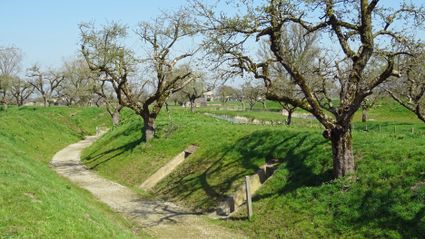
Fort Werk aan de Groeneweg
Fort Werk aan de Groeneweg
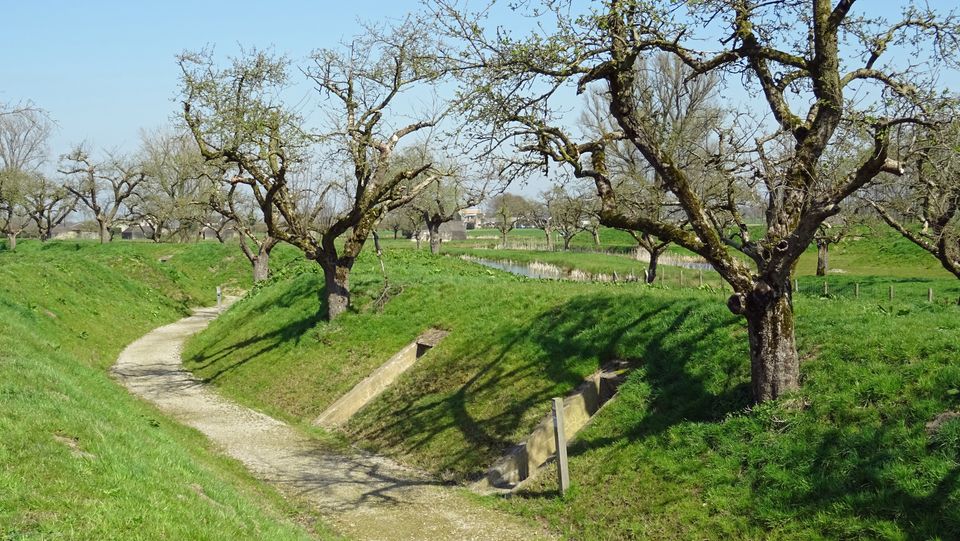
Walking through the historic trenches of Werk aan de Groeneweg is like a walk back in time. The defence structure still has its original configuration. The infantry set-up in World War One consisted of a double trench with earthen walls, 55 group shelters and lovely fruit trees.
The grounds are a fantastic playground for children. You can have a great time here roaming around, crawling through a trench, playing hide and seek and participating in an exciting search and experience walk of about 2 km, with soldier Vendrik as your guide.
3998 Schalkwijk -
-
Fort Spion
Fort Spion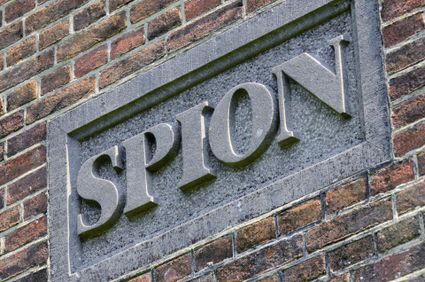
Bloklaan 9a
1231 AZ Loosdrecht -
Fort 't Hemeltje
Fort 't Hemeltje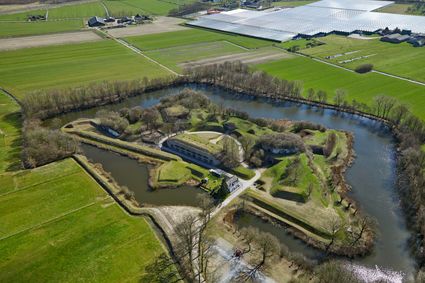
3992 LX Houten -
De Hooge Vuursche Castle
De Hooge Vuursche Castle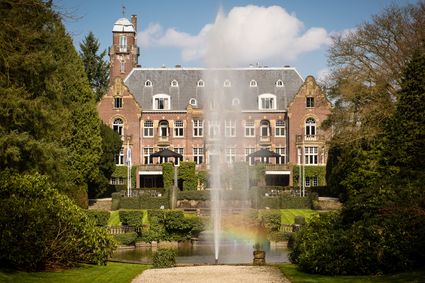
3744 KC Baarn -
Tabaksschuur Amerongen
Tabaksschuur Amerongen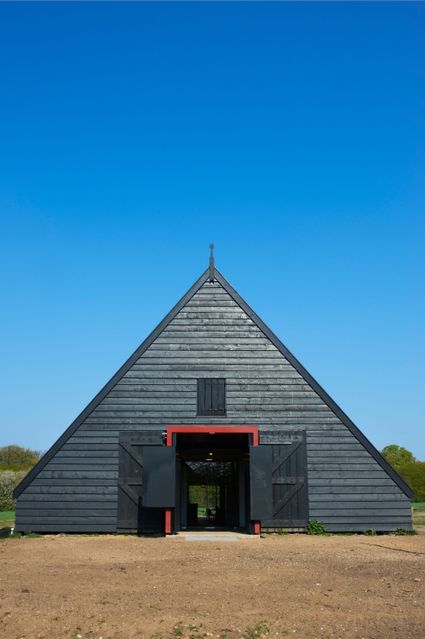
3958 ET Amerongen -
Centraal Museum
Centraal Museum
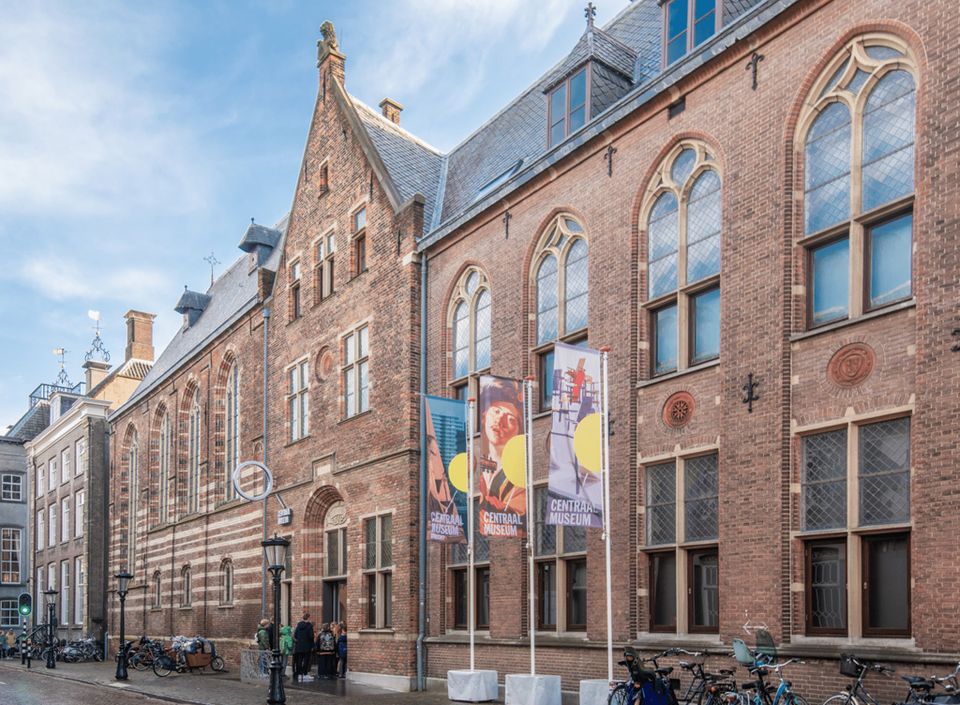
The Centraal Museum is your gateway to art and culture from the world of Utrecht. From Rietveld to the Utrecht Caravaggists, from Dick Bruna to Moesman and from Viktor & Rolf to the centuries-old Utrecht ship. A museum which leaves you inspired time after time. The museum has been housed in this medieval cloister on the Nicolaaskerkhof since 1921 and currently consists of an eclectic collection of buildings with a large courtyard at their centre. It’s a lovely place to wander through hallways and stairwells, and where you can be surprised by the various exhibitions.
Collection
The museum has the largest collection of Rietveld pieces in the world, and shows the work of the world-famous Dick Bruna. The collection of old art is also worthwhile with work from Jan van Scorel, Abraham Bloemaert and Hendrick ten Brugghen. Besides the work of those Dutch icons, the Centraal Museum provides a broad overview of 2.000 years turbulent history, is also the ‘present’ a central theme with current fashion, design and visual art are high on the agenda.Studio Dick Bruna
A special part of the Central Museum is the studio of Dick Bruna, one of the Netherlands’ most famous illustrators and graphic designers. For the last 30 years of his career, he worked at his studio in the centre of Utrecht daily. This was where he created his illustrations and stories, surrounded by personal memories, photos of memorable encounters, gifts from fans and letters from fellow artists.Online tickets
Skip the queue and order your tickets online. You will receive your ticket by email and showing it on your smartphone at the entrance of the museum is sufficient.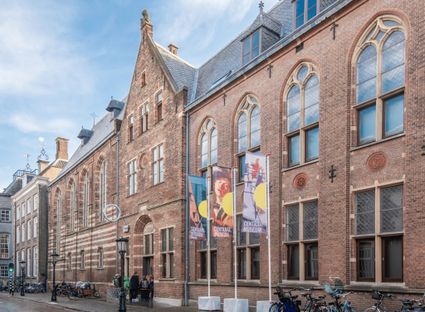
Agnietenstraat 1
3512 XA Utrecht -
-
The Amersfoort Boulder
The Amersfoort Boulder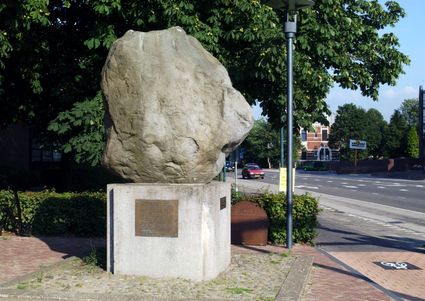
3800 Amersfoort -
Vianen Municipal Museum
Vianen Municipal Museum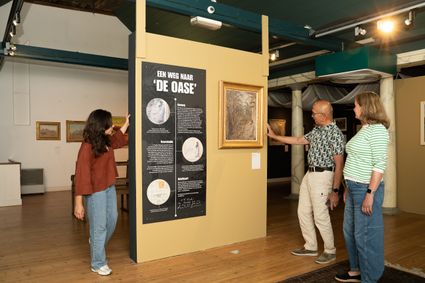
Voorstraat 97
4132 AP Vianen -
Petting Zoo 'Oortjespad'
Petting Zoo 'Oortjespad'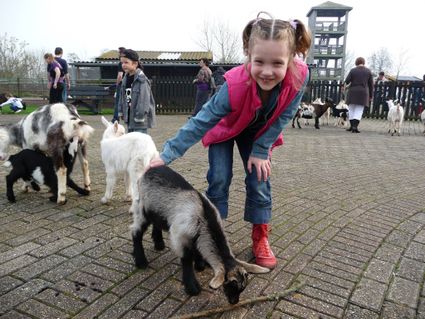
3471 HD Kamerik -
Parc Broekhuizen
Parc Broekhuizen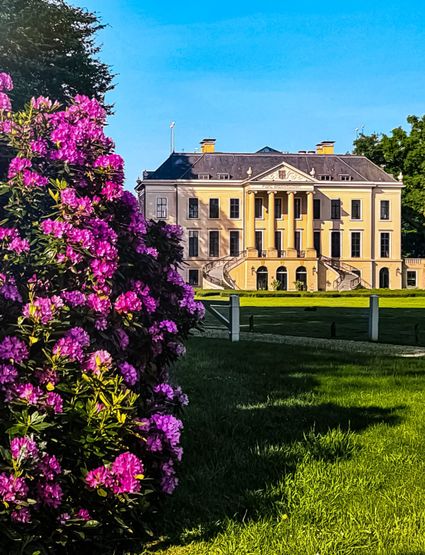
3956 NS Leersum