odp
265 to 288 of 295 locations
-
Woudschoten Hotel & Conferentiecentrum***
Woudschoten Hotel & Conferentiecentrum***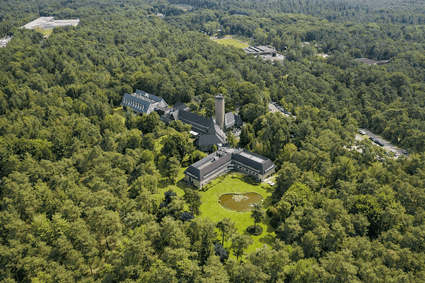
3703 HX Zeist -
TOP Huis Doorn
TOP Huis Doorn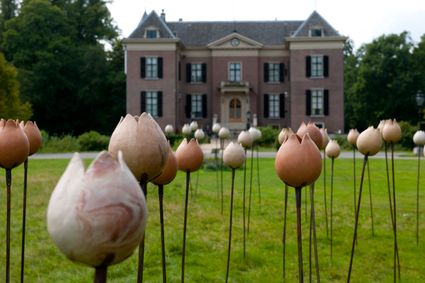
3941 MT Doorn -
Cheese Warehouse | Cheese Experience
Cheese Warehouse | Cheese Experience
Emmakade 6A
3441 AJ Woerden -
Henschoter lake
Henschoter lake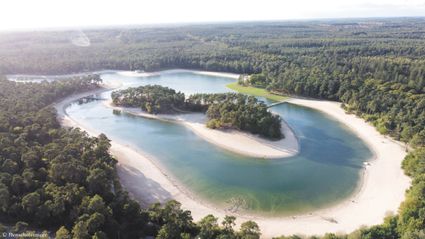
De Heygraeff 2
3931MK Woudenberg -
Werk aan de Waalse Wetering
Werk aan de Waalse Wetering
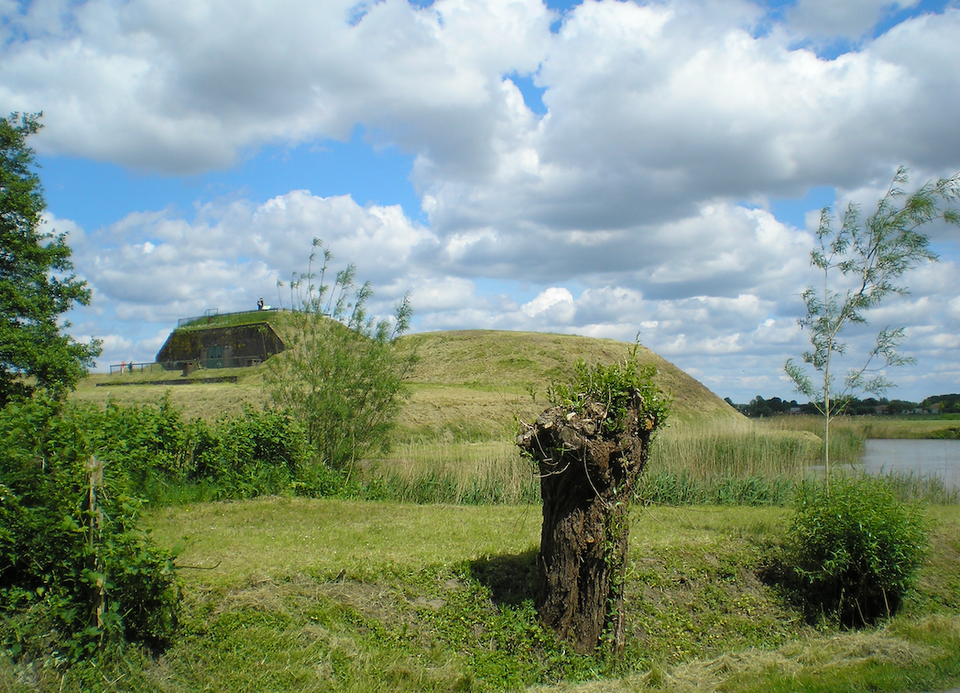
This defence work was built in 1875–1878 and comprises a bomb-proof outbuilding and a guardhouse.
In emergencies, it could harbour as many as 95 men.
The fort is freely accessible and boasts uninterrupted views of the island of Schalkwijk. The Verdronken Bos (drowned forest), where a wooden walkway takes you across the water, is a short walk away.
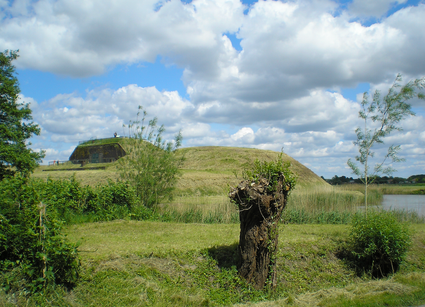
3999 NS Tull en 't Waal -
-
TOP Kersenpracht Cothen
TOP Kersenpracht Cothen
Graaf van Lynden van Sandenburgweg 2
3945 PB Cothen -
Fort Hinderdam
Fort Hinderdam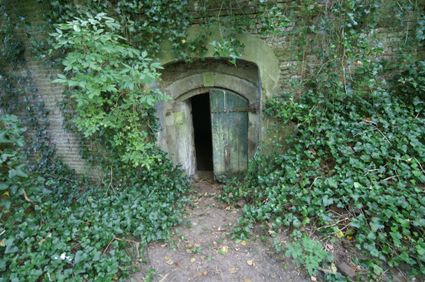
Hinderdam 7
1394 JB Nederhorst den Berg -
Fort Asperen
Fort Asperen
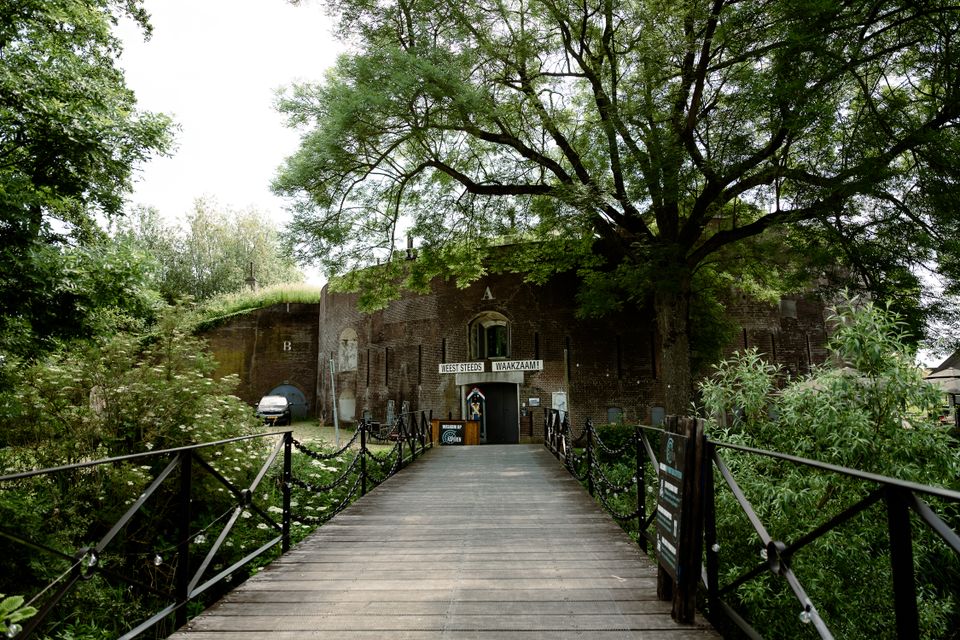
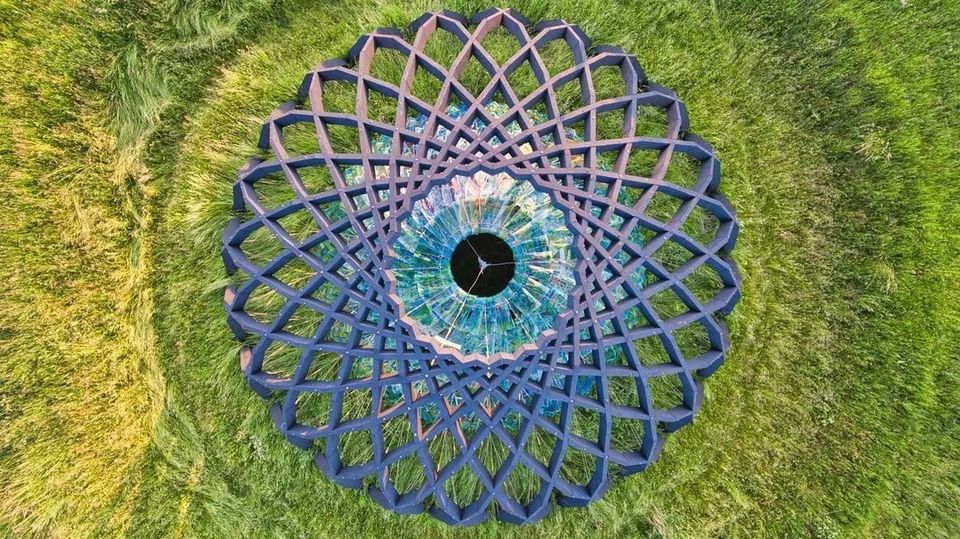
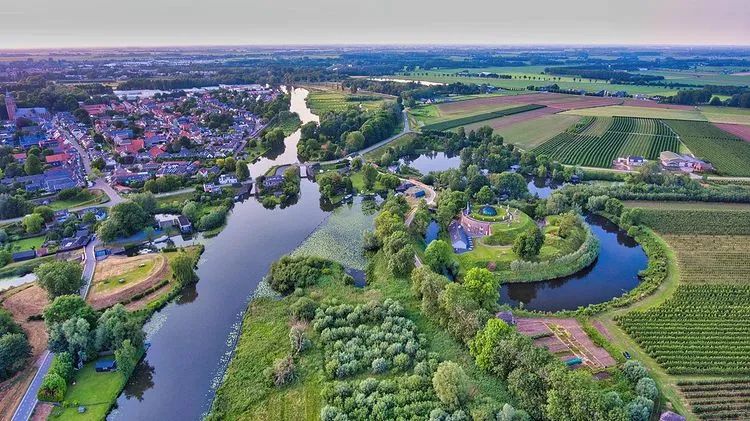
This magnificent tower fort, built between 1845 and 1847, is surrounded by a moat for extra protection. Fort Asperen last saw active use on 12 April 1940, as part of preparations for the coming war. However, the Germans flew straight past it. Fort Asperen, which is an artwork in and of itself, is open to visitors in the summer months. The domed roof to keep out the rain, for instance, is made entirely of glass slates designed in the Glassworks at the National Glass Museum.
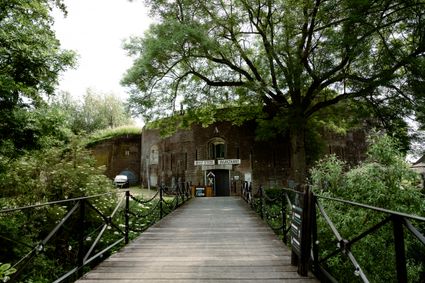
Langendijk 60
4145BR Acquoy -
-
Fort Rijnauwen
Fort Rijnauwen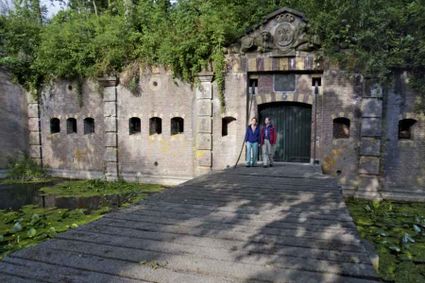
3981 HS Bunnik -
Molen Rijn en Lek
Molen Rijn en Lek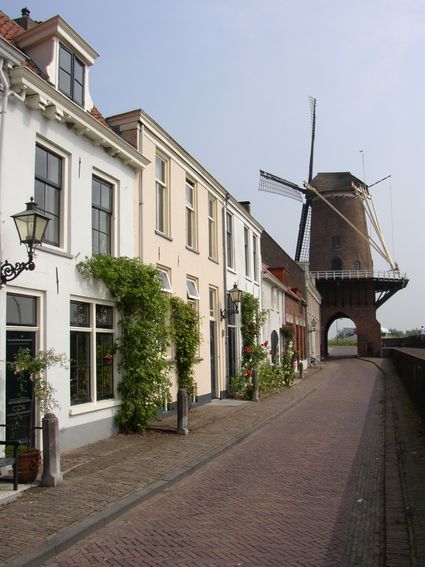
Dijkstraat 23
3961 AA Wijk bij Duurstede -
Beauforthuis
Beauforthuis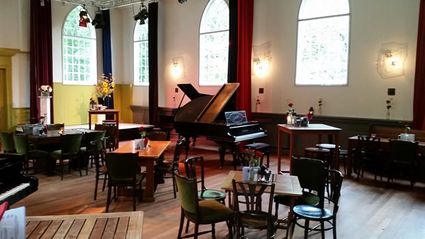
3711 AB Austerlitz -
The Vuursche
The Vuursche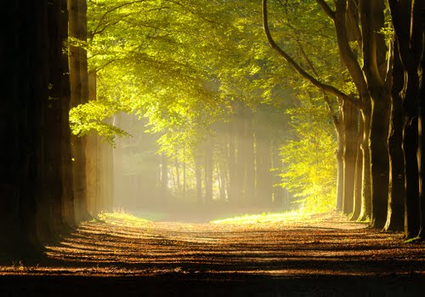
3749 Lage Vuursche -
TOP Marnemoende, IJsselstein
TOP Marnemoende, IJsselstein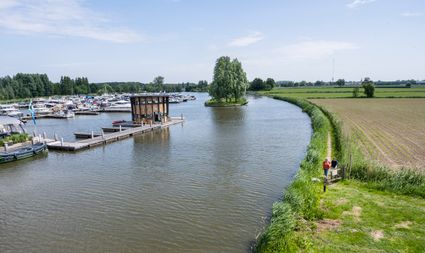
2402PG IJsselstein -
Pausdam
Pausdam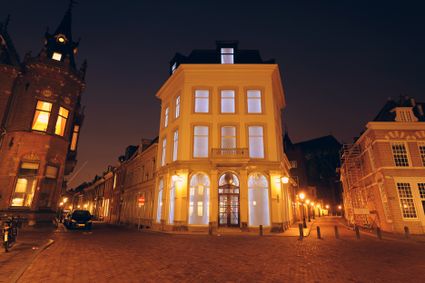
3512 HN Utrecht -
Muurhuizen (Wallhouses)
Muurhuizen (Wallhouses)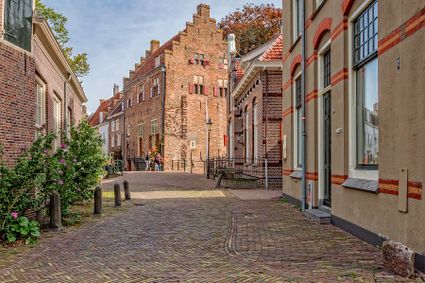
3811 Amersfoort -
Peking Garden
Peking Garden
-
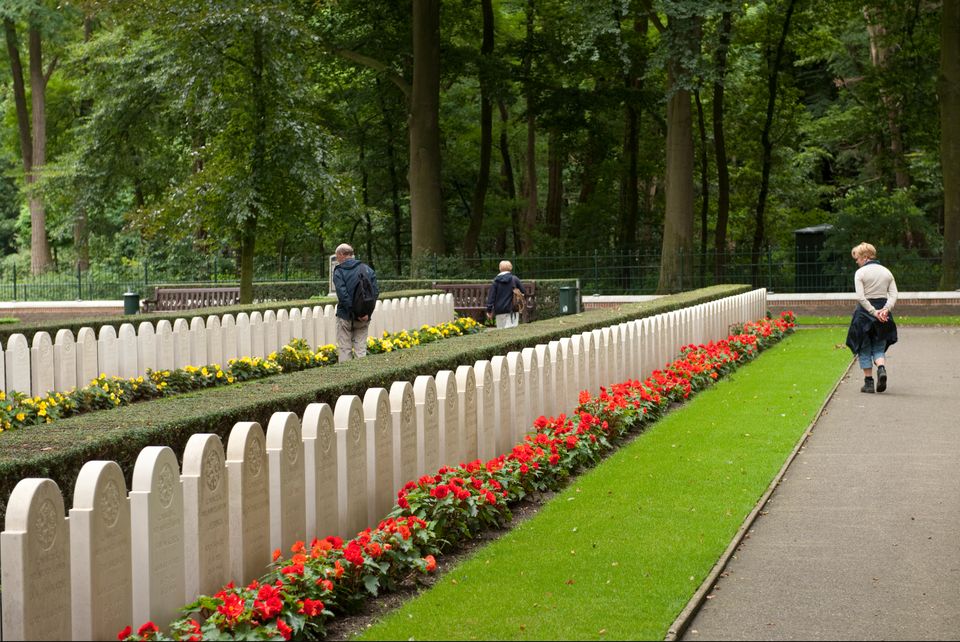
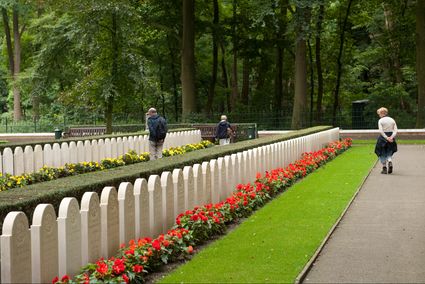
Grebbeberg Military Cemetery
Grebbeberg Military Cemetery
The largest battle of the Dutch army in WWII took place on Grebbeberg Hill. Here poorly armed and untrained men held their ground against a very powerful and ruthless opponent for three days. Grebbeberg Military Cemetery is the final resting place for more than 800 soldiers and 1 citizen who perished here in the Second World War. It is located on Grebbeberg Hill at Rhenen, and was a battlefield of just a few square kilometres, but is full of stories of the courage of desperation in the Netherlands.
The information centre, with an exhibition about the events on Grebbeberg Hill during “The Battle for Grebbeberg Hill” in May 1940, is open daily from 9:00 am to 5:00 pm.
3911 AV Rhenen -
-
Museum Castle Amerongen
Museum Castle Amerongen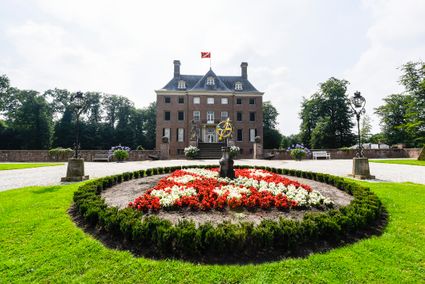
Drostestraat 20
3958 BK Amerongen -
TOP Vinkeveense Plassen, Vinkeveen
TOP Vinkeveense Plassen, Vinkeveen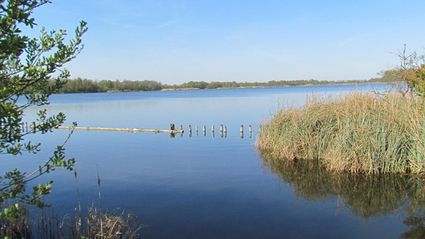
3645DA Vinkeveen -
Landgoed Zuylestein
Landgoed Zuylestein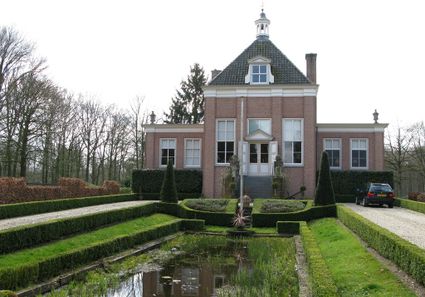
3956 CH Leersum -
Hotel 't Wapen van Harmelen
Hotel 't Wapen van Harmelen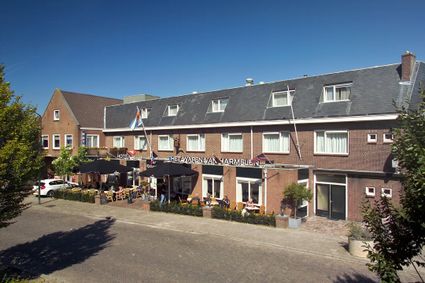
3481 EK Harmelen -
Pannenkoekenhuis Bergzicht
Pannenkoekenhuis Bergzicht
3931 MH Woudenberg -
Heidestein Estate
Heidestein Estate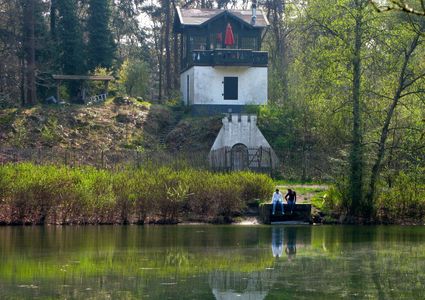
3708 WN Zeist -
B&B Kasteel Sterkenburg
B&B Kasteel Sterkenburg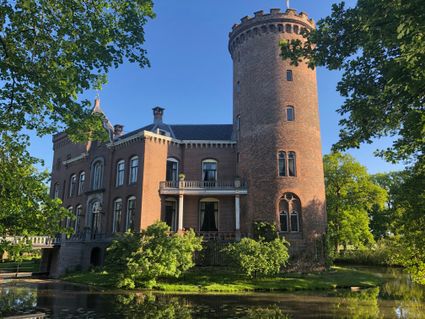
3972 ND Driebergen-Rijsenburg