
odp
1 to 24 of 294 locations
-
Asschatterkeerkade Leusden
Asschatterkeerkade Leusden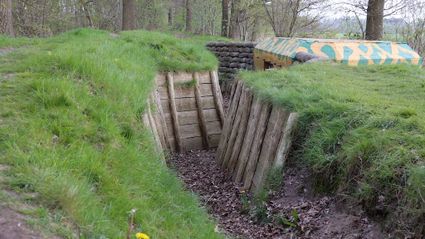
3831 JP Leusden -
Museum Bunker
Museum Bunker
3831 RZ Leusden -
Mondriaan House
Mondriaan House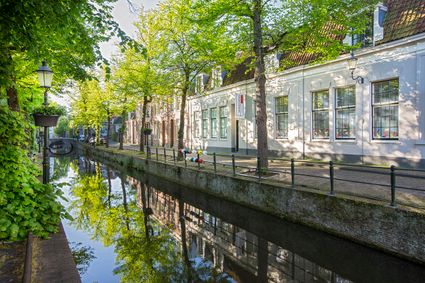
3811 KG Amersfoort -
Museum Flehite
Museum Flehite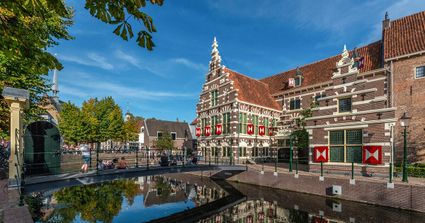
3811 BC Amersfoort -
Waterline Museum Fort Vechten
Waterline Museum Fort Vechten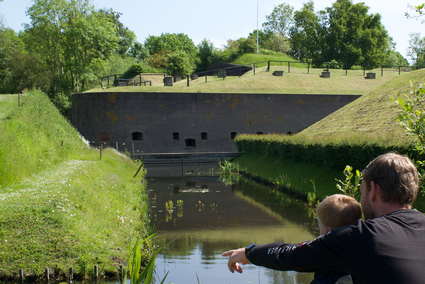
3981 HA Bunnik -
Duurstede Castle
Duurstede Castle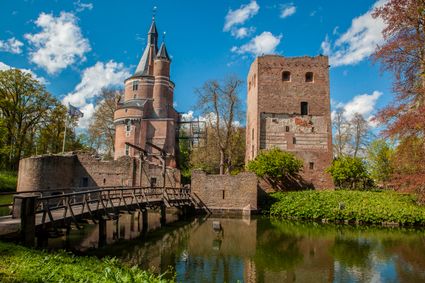
3961 AB Wijk bij Duurstede -
Kersenmuseum (cherry museum)
Kersenmuseum (cherry museum)
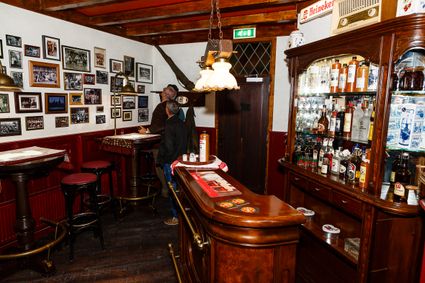
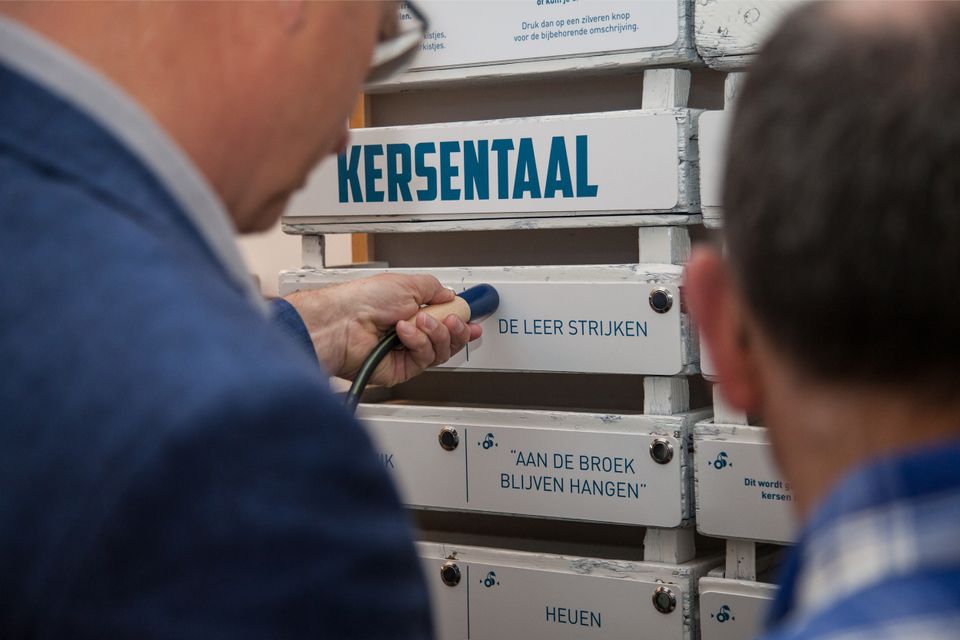
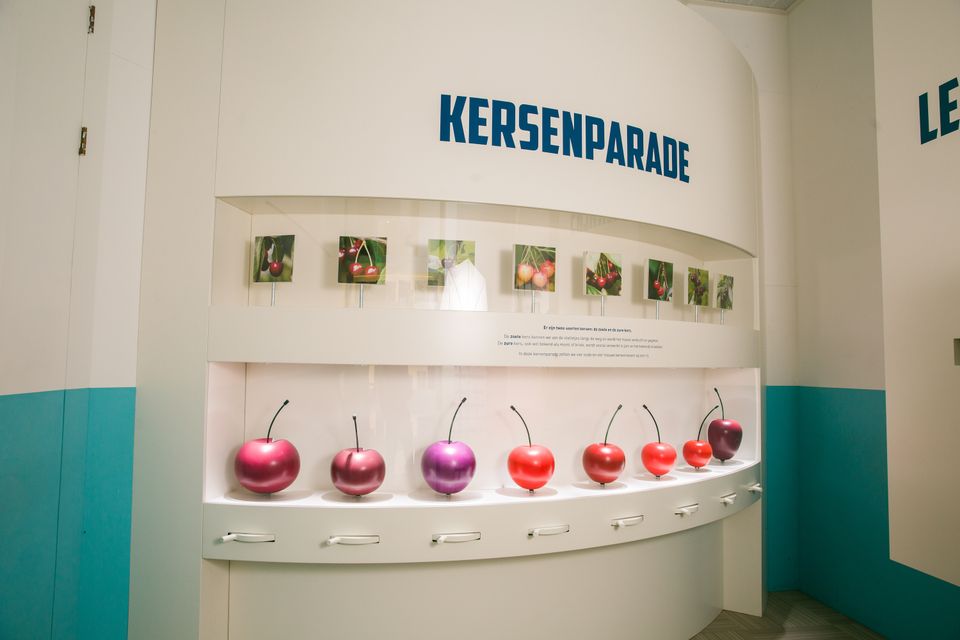
Cherry growing plays an important role in the heart of the Kromme Rijn region, and it is here you will find the Kersenmuseum (cherry museum) at Theo and Martine Vernooy's fruit farm.
Visitors to this interactive museum will learn about the rich history of cherry growing, with attention to aspects such as tradition, pride, culture, great stories, nostalgia and unity. Although we are talking about a centuries-old tradition, cherry growing is very much evolving as age-old expertise is combined with modern-day technology.
Groenewoudseweg 18
3945 BC Cothen -
-
Fort bij Vechten
Fort bij Vechten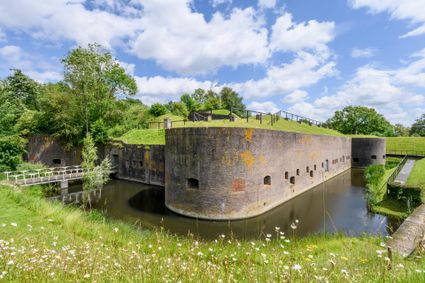
3981 HB Bunnik -
The Botanical Gardens
The Botanical Gardens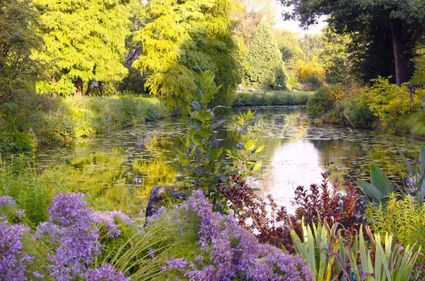
3584 CD Utrecht -
Fort Werk aan de Korte Uitweg
Fort Werk aan de Korte Uitweg
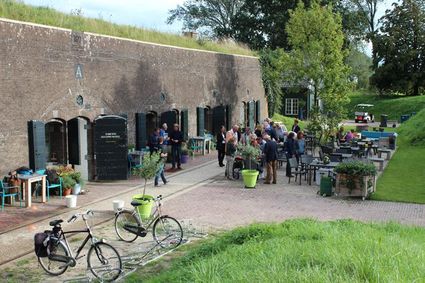
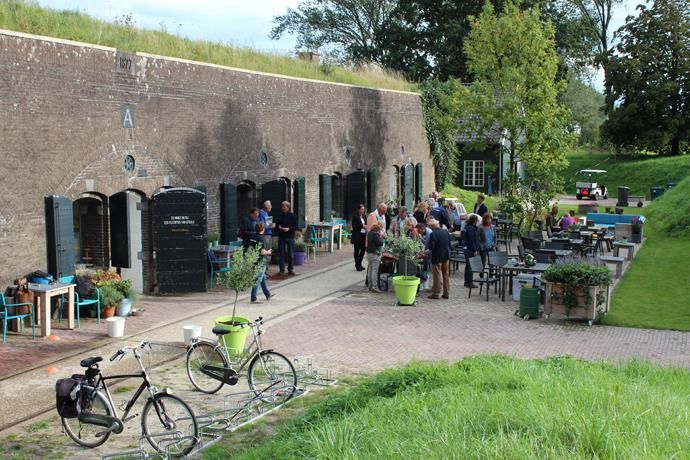
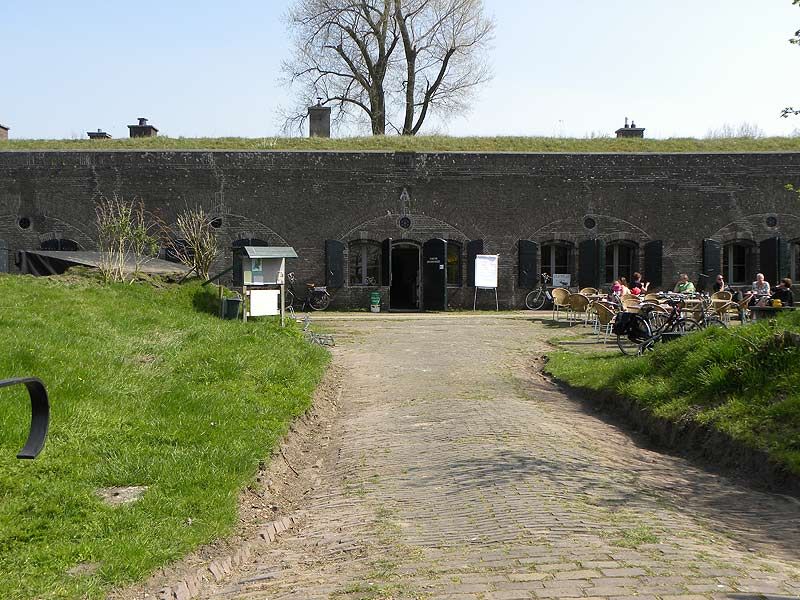
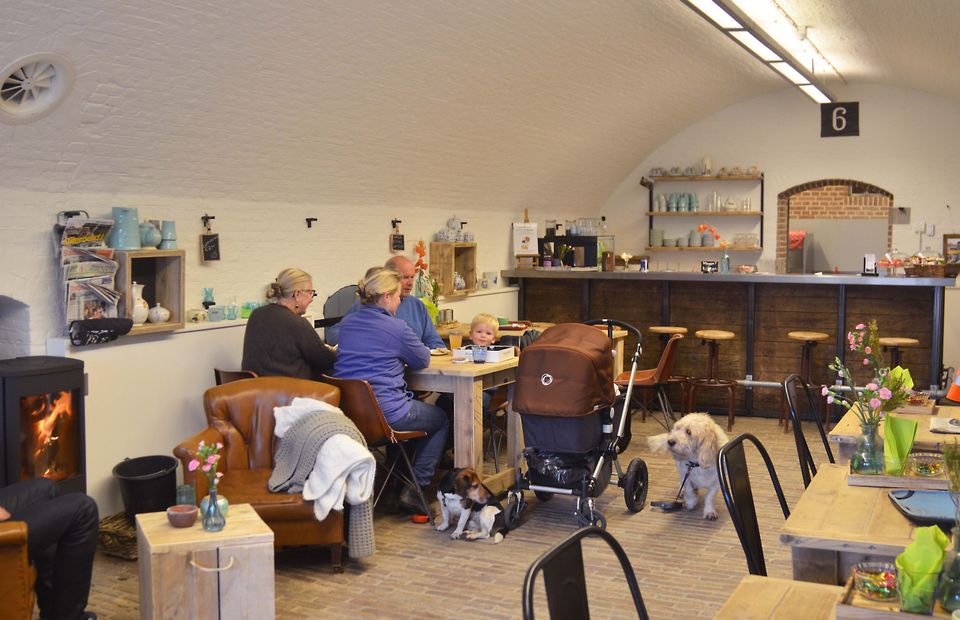
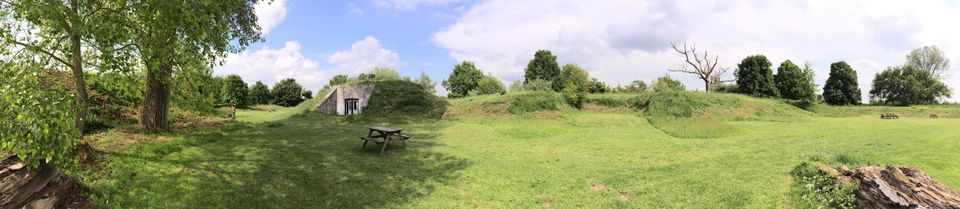
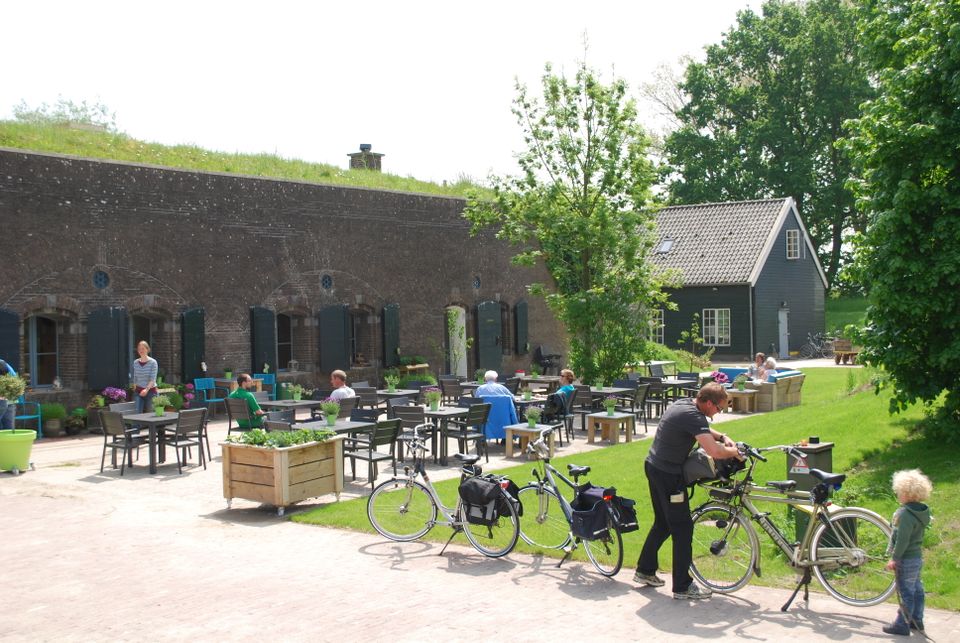
Fort Werk aan de Korte Uitweg (Fort WKU) is located near the Lek River on the island of Schalkwijk. Here, where the kingfisher swoops over the water and you can hear the grass rustling, you will find a tearoom and a designated Natuurkampeerterrein, or Natural Campsite.
There is lots to do in and around the fort. Have a coffee or lunch after a bike ride or a hike, or enjoy a 'green' holiday on the Natural Campsite, where you can spend the night in an honest-to-goodness fort cabin. Hold a business meeting or a drinks reception or attend a culinary workshop. Let yourself be surprised at this unique location. A variety of fun activities are organised throughout the year.
3999 WL Houten -
-
't Veerhuys
't Veerhuys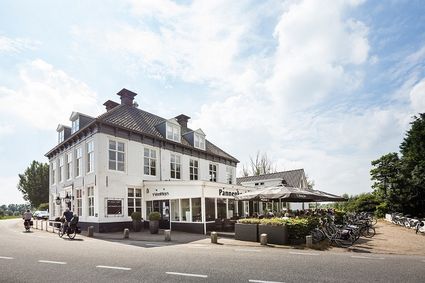
4112 PC Beusichem -
Boerderij -Landwinkel Nieuw Slagmaat
Boerderij -Landwinkel Nieuw Slagmaat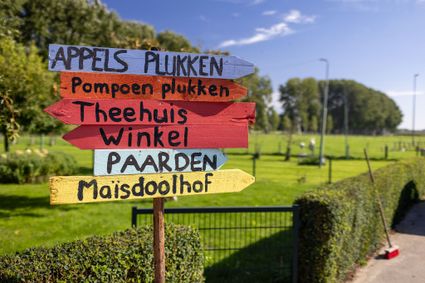
3981 HE Bunnik -
Zeisterbos
Zeisterbos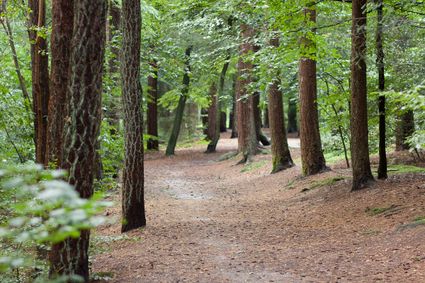
Prins Bernhardlaan 2
3708 BR Zeist -
The Hernhutter (Moravian Brothers) House
The Hernhutter (Moravian Brothers) House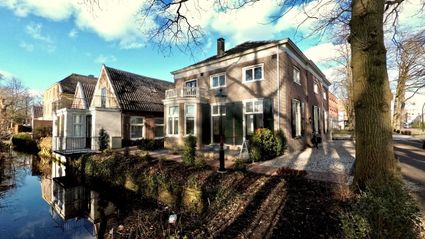
3703 CA Zeist -
Rietveld Schröderhuis
Rietveld Schröderhuis
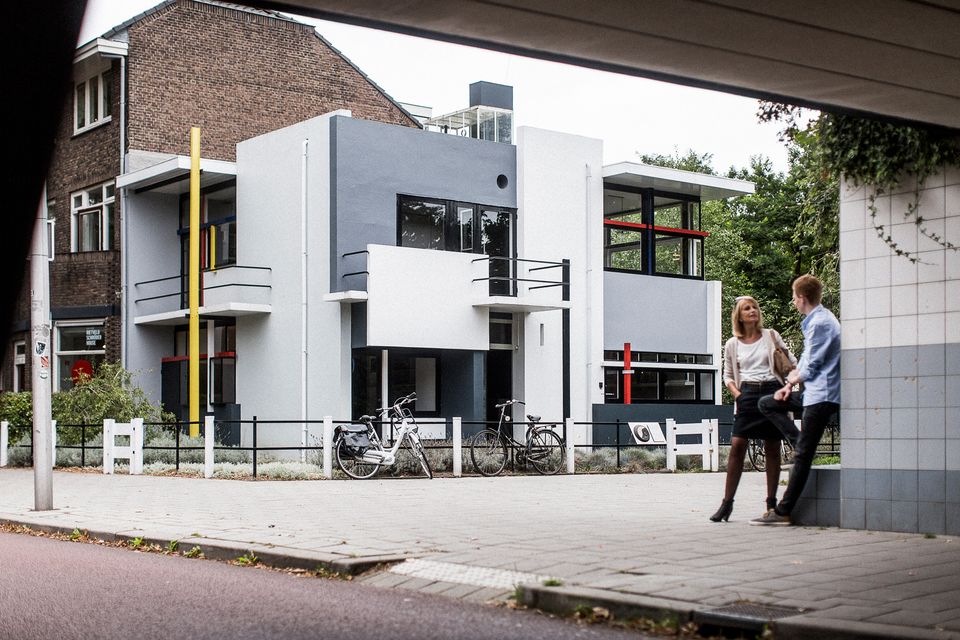
The Rietveld Schröder House is the architectural highlight of the art movement De Stijl. The house was designed by the Utrecht architect and designer Gerrit Rietveld, commissioned by widow Truus Schröder in 1924. The house is not only designed but also decorated by Gerrit Rietveld (1888 – 1964).
De Stijl
The house is designed according to the principles of De Stijl. Characteristic for De Stijl are the seamless transitions from inside to out, by breaking open the closed walls. The use of primary colours red, blue and yellow (besides white, grey and black) is also part of this art movement.Truus Schröder was deeply involved in the location and design of the house. She had a clear view on the way she wanted to live. Soberness, for example, was fundamental, as she wanted to live in the active sense and not be lived. This resulted in a large and bright living area which can be partitioned into different spaces using flexible walls.
Through the years, Rietveld did several adjustments to the building, but after the passing of Truus Schöder in 1985, the house was restored and brought back to original state. The Rietveld Schröderhuis consist lots of original furniture by Rietveld. For example the zigzag chair and the famous red-blue chair.
Accessibility
Unfortunately the Rietveld Schröder House is not accessible for wheel chairs, prams and strollers.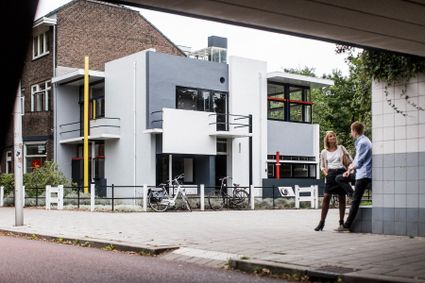
3512XC Utrecht -
-
Sawmill De Ster
Sawmill De Ster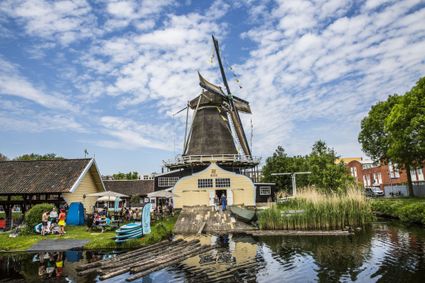
3531 ET Utrecht -
Woudschoten Hotel & Conferentiecentrum***
Woudschoten Hotel & Conferentiecentrum***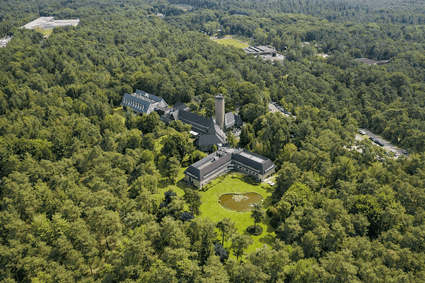
3703 HX Zeist -
Heidestein Estate
Heidestein Estate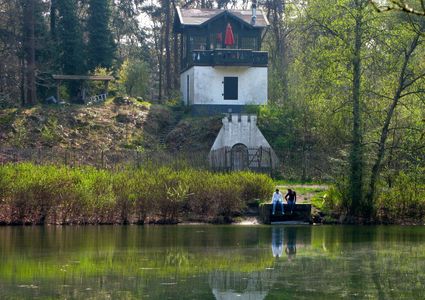
3708 WN Zeist -
TOP Oud-Zuilen, Slot Zuylen
TOP Oud-Zuilen, Slot Zuylen
3611 AS Maarssen -
Kerckebosch Castle****
Kerckebosch Castle****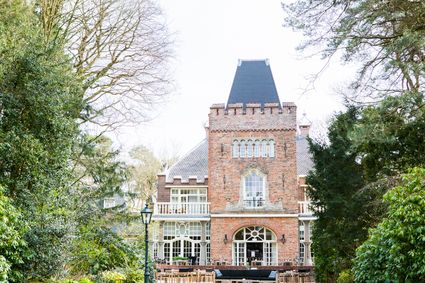
3708 AA Zeist -
Diefdijk
Diefdijk
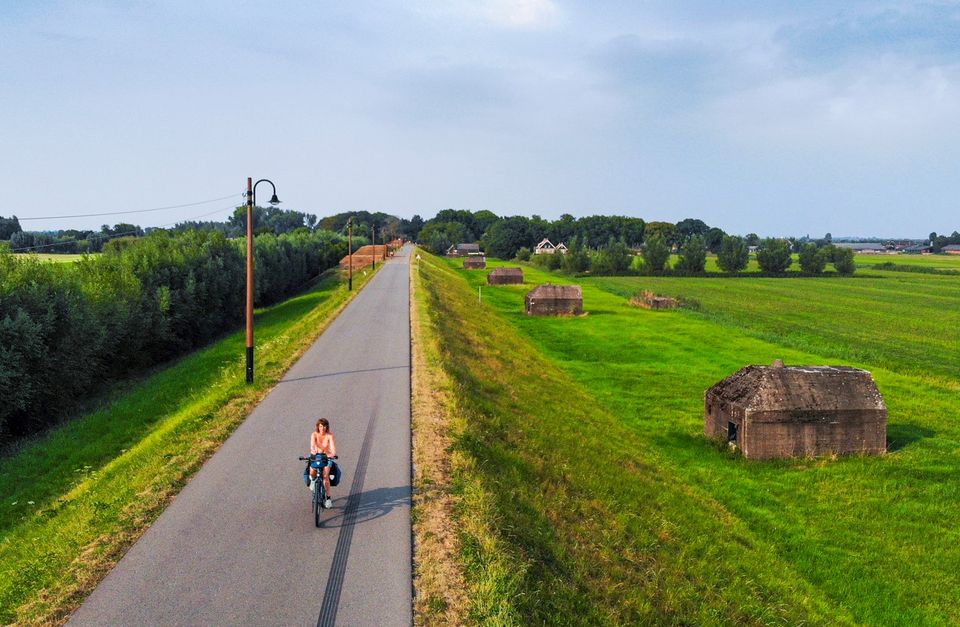
This centuries-old long dyke marks the border between the Betuwe to the east and the lowlands to the west. The purpose of the Diefdijk was to protect the lower-lying meadows whenever the higher Betuwe flooded. The dyke was reinforced in 2015 and still serves its purpose today. It was also part of the New Dutch Waterline: the area to the east of the dyke served as an inundation area. To this day, this area remains scarcely built up. Nature reserves of various sizes border the dyke on either side.

Diefdijk
4143 MG Leerdam -
-
Treek-Henschoten Estate
Treek-Henschoten Estate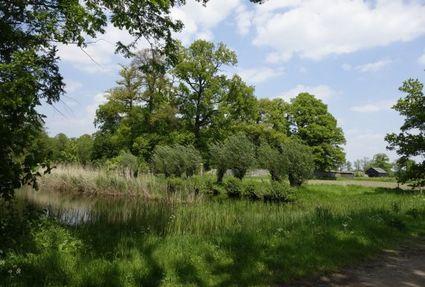
3832 RS Leusden -
The Waterloo Needle
The Waterloo Needle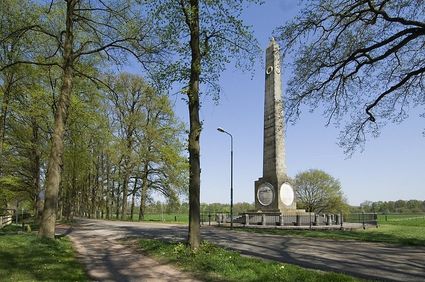
3742 CR Baarn -
De Kastanjeboom
De Kastanjeboom
3751 LC Bunschoten

- Current page1
- Go to page2
- Go to page3
- Go to page4
- Go to page5
- …
- Go to page13
- Go to the next page