odp
121 to 144 of 296 locations
-
Fort Vreeswijk
Fort Vreeswijk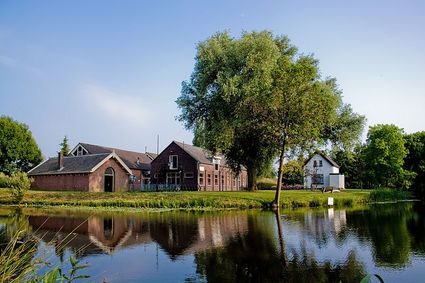
3433 ZZ Nieuwegein -
Rope museum
Rope museum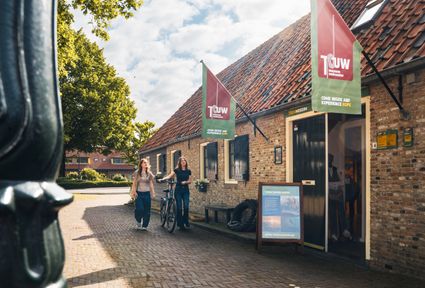
3421 SZ Oudewater -
TOP Laagraven
TOP Laagraven
3439 ZZ Nieuwegein -
Boerderij het Gagelgat: Boerderij van 't Jaar!
Boerderij het Gagelgat: Boerderij van 't Jaar!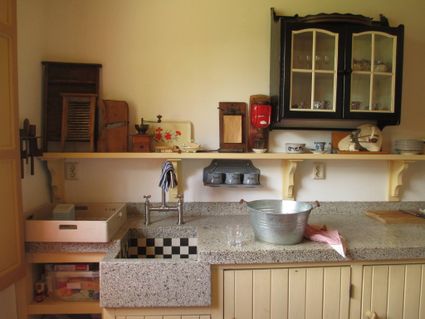
Birktstraat 107
3768 HD Soest -
Breukelen
Breukelen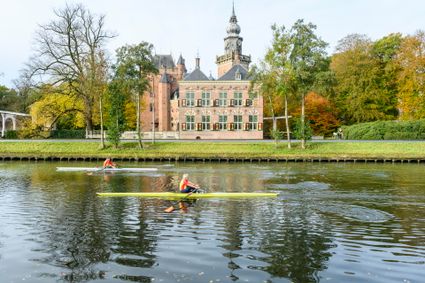
-
TOP Fort at the Buursteeg
TOP Fort at the Buursteeg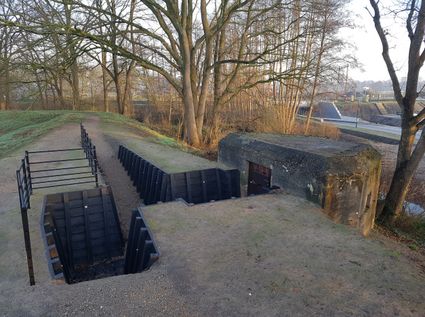
3927EJ Renswoude -
Bungalowpark 't Eekhoornnest
Bungalowpark 't Eekhoornnest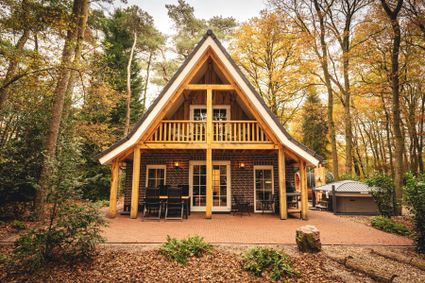
3768 HL Soest -
Grebbe line
Grebbe line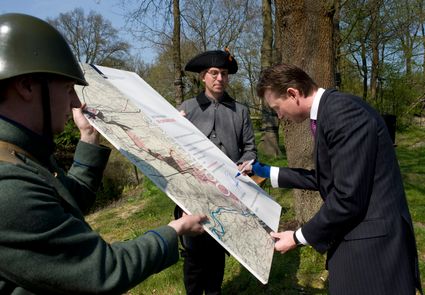
3927 EJ Renswoude -
Ivn excursie Kwintelooyen
Ivn excursie Kwintelooyen
3911 TA Rhenen -
Fort Hinderdam
Fort Hinderdam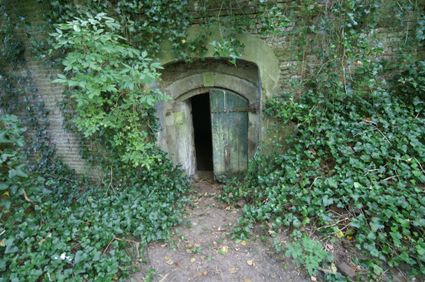
Hinderdam 7
1394 JB Nederhorst den Berg -
Mouse Towers | Leerdam
Mouse Towers | Leerdam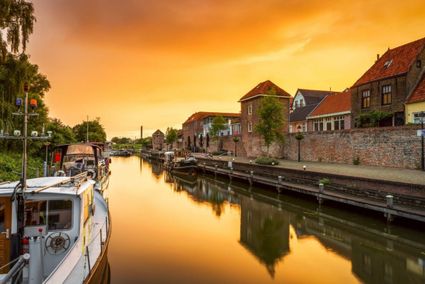
4141 BE Leerdam -
Dagwinkel Aloys Hageman
Dagwinkel Aloys Hageman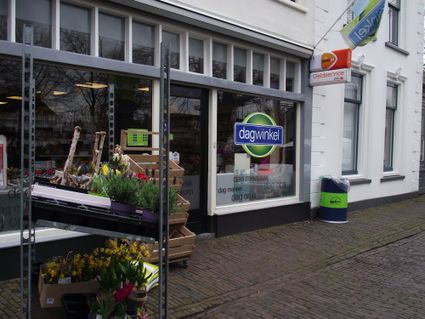
Voorstraat 15
3633 BB Vreeland -
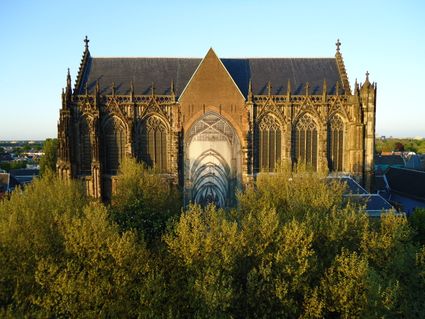
Dom Church
Dom Church
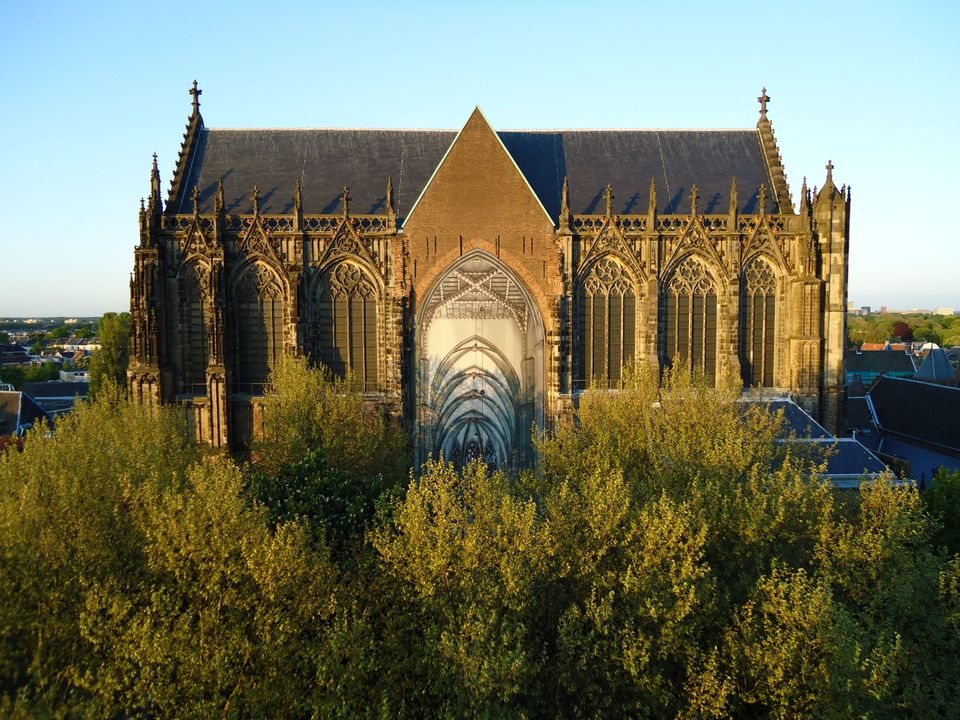
The gothic Dom Church was built as a cathedral for the bishop of Utrecht and dedicated to St. Maarten.
The interior with many lavishly decorated tombs is impressive. The Dom church draws many people daily for a guided tour or a moment of silence and peace. The free Saturday afternoon concerts (3.30 pm) have been a household word in Utrecht for over thirty years.
Domplein 0
3512 JD Utrecht -
-
Castle Tower in IJsselstein
Castle Tower in IJsselstein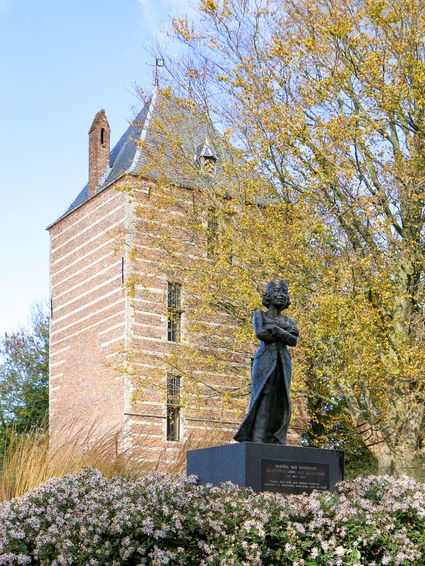
3401 BM IJsselstein -
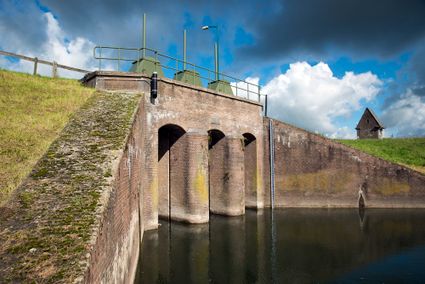
Inundation lock at Wijk bij Duurstede
Inundation lock at Wijk bij Duurstede
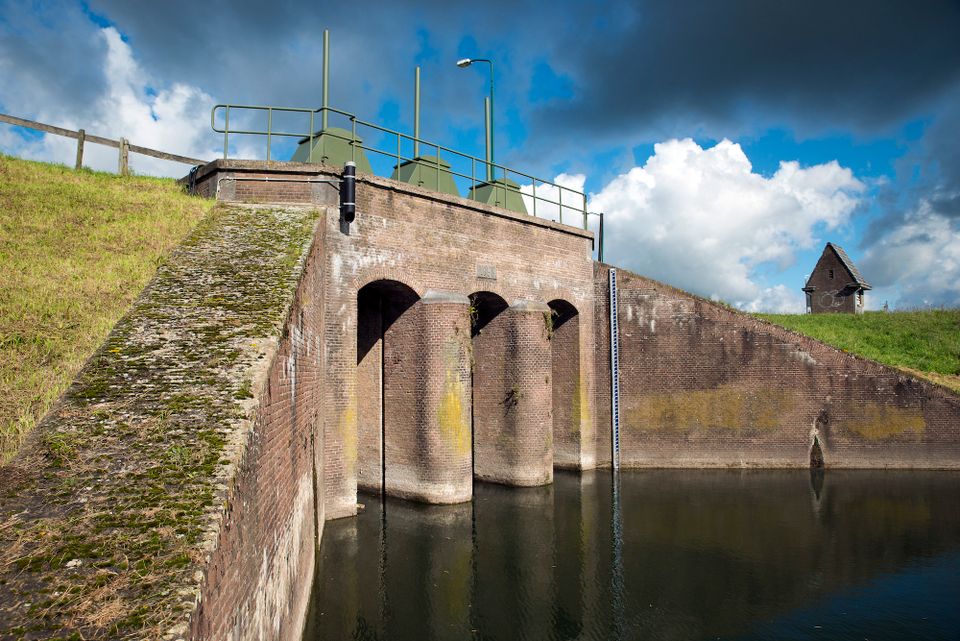
In 1870, the Kromme Rijn was given a key role in the New Dutch Waterline. Back then, it took almost a month to flood the area around Utrecht. This had to be speeded up. To this end, the river was widened, its bends were straightened and locks and dams were built. Near Wijk bij Duurstede, a large inundation lock was built that made Wijk bij Duurstede the ‘tap’ with which to turn on the New Dutch Waterline. This reduced the time needed to flood the inundation areas to between 4 and 12 days. The inlet is still used daily to transport fresh water to the city of Utrecht and the river Vecht.
3961CH Wijk bij Duurstede -
-
Amelisweerd - Rhijnauwen
Amelisweerd - Rhijnauwen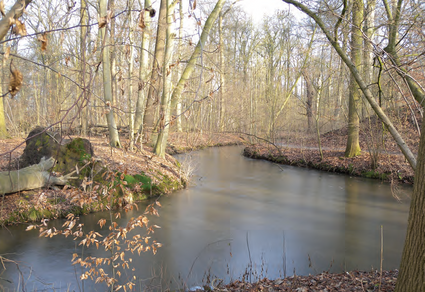
Koningslaan 9
3981 HD Bunnik -
Fort Uithoorn
Fort Uithoorn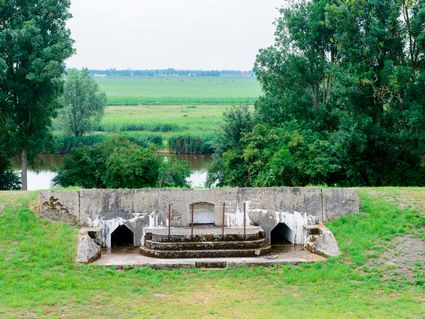
1427 AV Amstelhoek -
Camping De Grebbelinie
Camping De Grebbelinie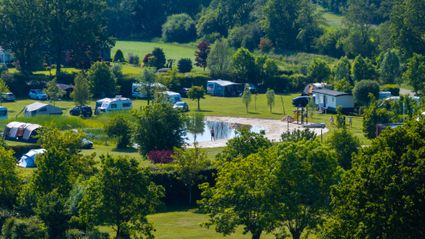
3927 CJ Renswoude -
TOP Beauforthuis
TOP Beauforthuis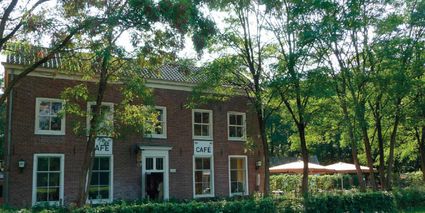
3711 AB Austerlitz -
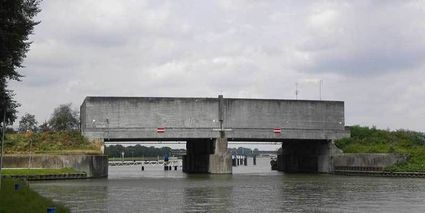
Plofsluis
Plofsluis
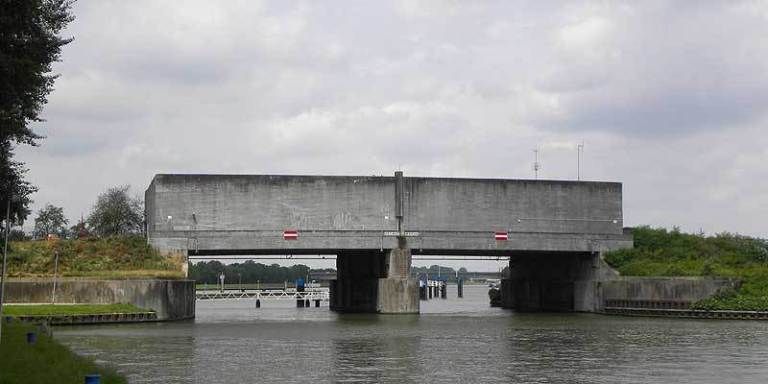
The Plofsluis consists of five concrete bins with a relatively weak floor that span the Amsterdam-Rhine Canal. The bins could store around 40,000 tonnes of sand, gravel or debris. In wartime, the floor could be blow up, so that its contents would drop into the Amsterdam-Rhine Canal. This would block the canal and prevent the inundation water from flowing out. The lock was designed in such a way that its sides would remain upright after the explosion, so that the floor could be reconstructed and the sluice could be used again. It was never actually used.
3439 LS Nieuwegein -
-
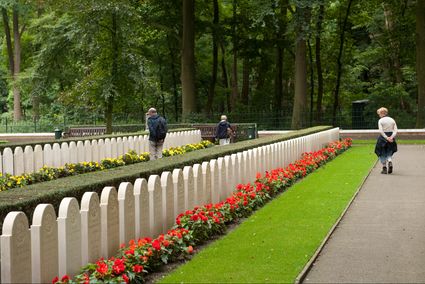
Grebbeberg Military Cemetery
Grebbeberg Military Cemetery
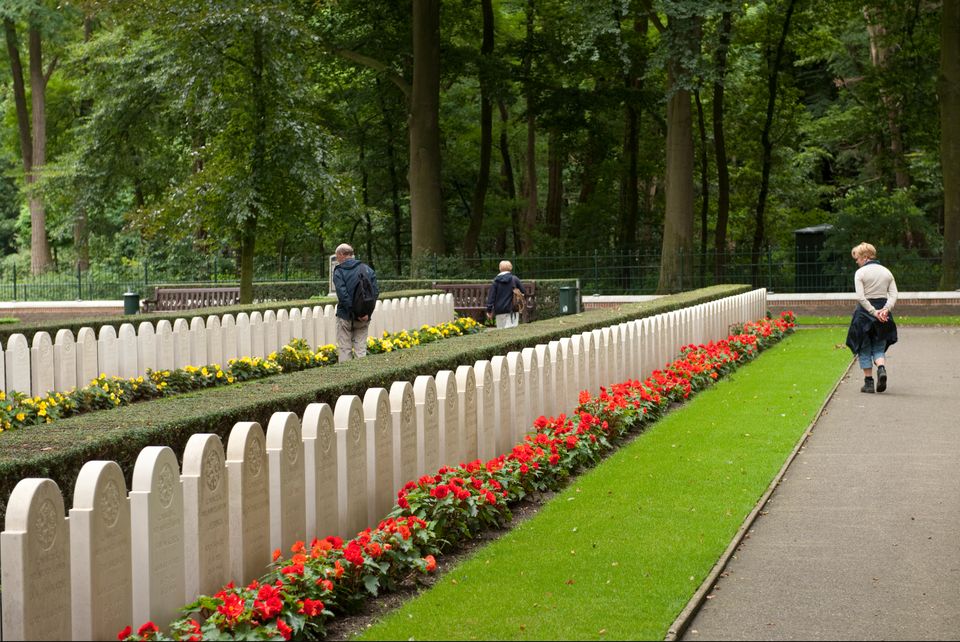
The largest battle of the Dutch army in WWII took place on Grebbeberg Hill. Here poorly armed and untrained men held their ground against a very powerful and ruthless opponent for three days. Grebbeberg Military Cemetery is the final resting place for more than 800 soldiers and 1 citizen who perished here in the Second World War. It is located on Grebbeberg Hill at Rhenen, and was a battlefield of just a few square kilometres, but is full of stories of the courage of desperation in the Netherlands.
The information centre, with an exhibition about the events on Grebbeberg Hill during “The Battle for Grebbeberg Hill” in May 1940, is open daily from 9:00 am to 5:00 pm.
3911 AV Rhenen -
-
The old St. Nicholas Church
The old St. Nicholas Church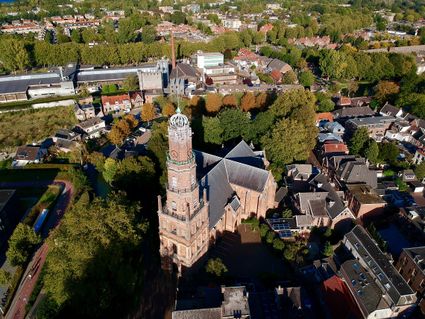
3401 BM IJsselstein -
TOP Groot Zandbrink
TOP Groot Zandbrink
3831 SE Leusden -
Soestdijk Palace
Soestdijk Palace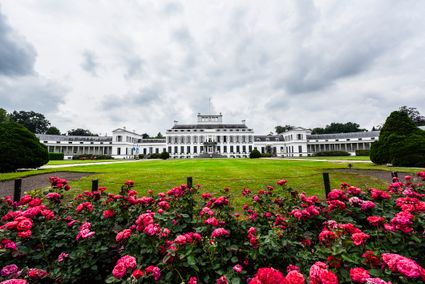
3744 AA Baarn