360° Utrecht and UNESCO
Discover Utrecht’s UNESCO World Heritage Sites!
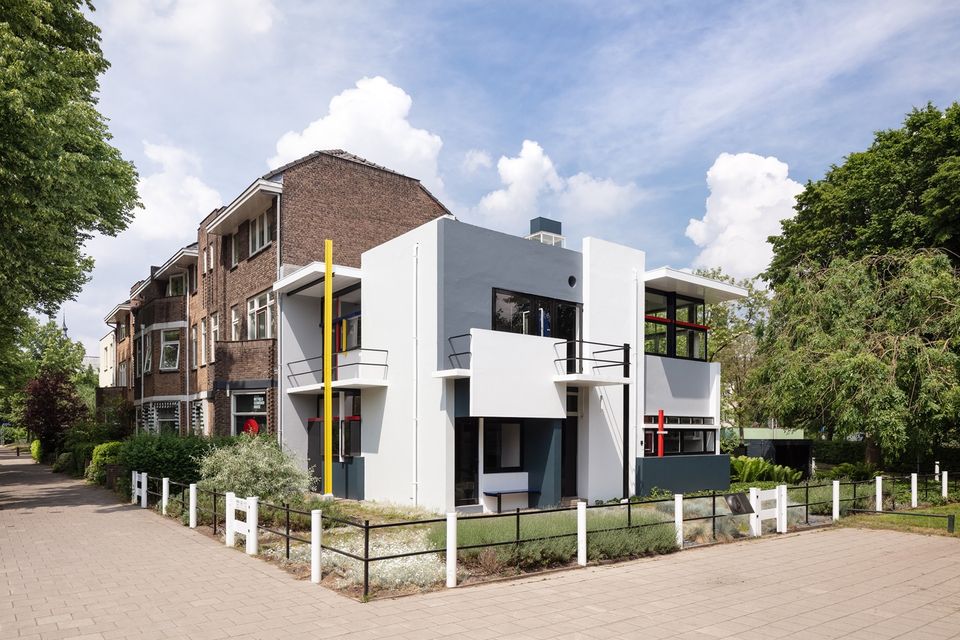
Utrecht is home to three remarkable UNESCO World Heritage sites: the iconic Rietveld Schröder House, the impressive Dutch Water Defence Lines, and the ancient Limes, the northern frontier of the Roman Empire. Each site is one of a kind, telling stories you won’t find anywhere else.
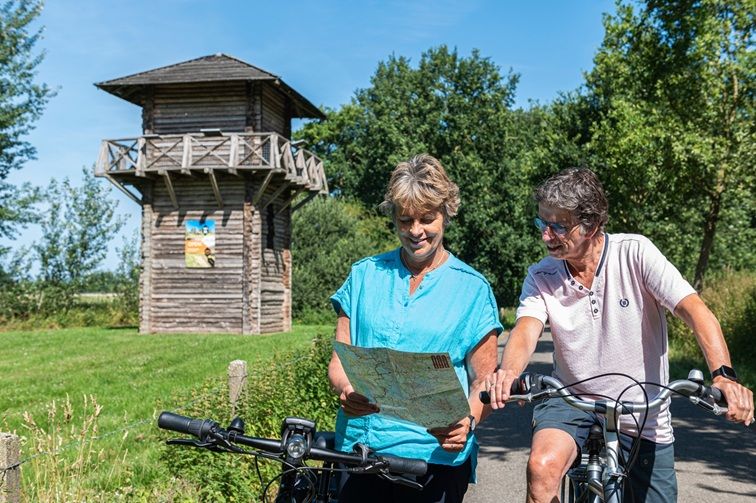
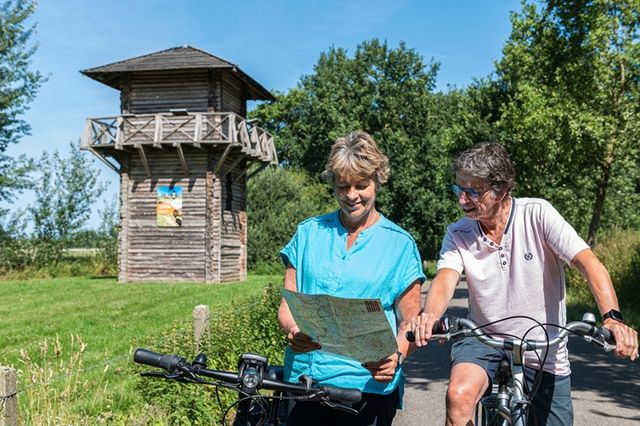
With five special cycling routes ranging from 16 to 41 kilometres, you can explore Utrecht’s rich history, striking architecture, and beautiful landscapes. This longest route takes you past all the UNESCO World Heritage gems of Utrecht.
Hop on your bike, be surprised, and experience Utrecht’s World Heritage!
Take a look
Locations on this route
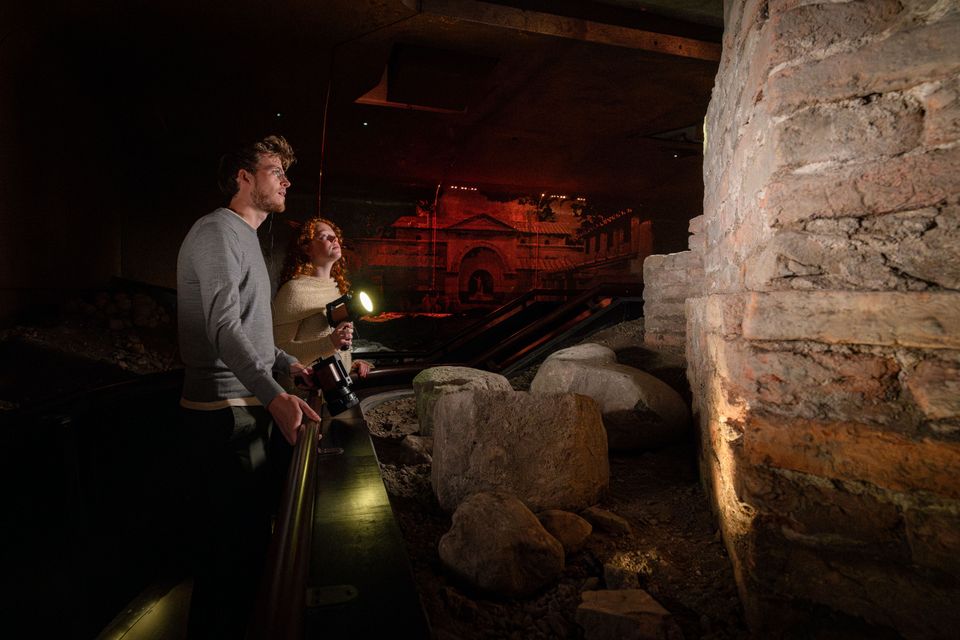
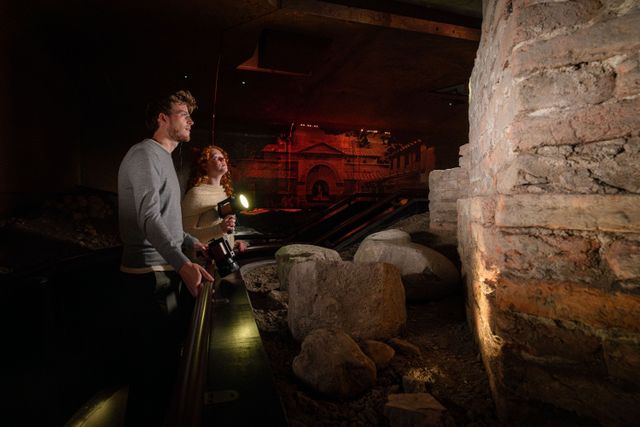
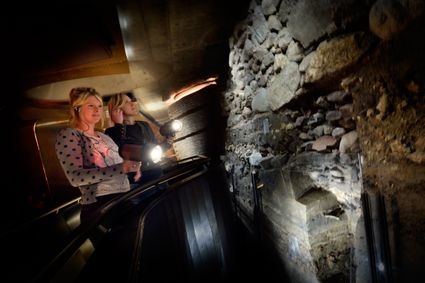
Dom Under
DOMunder is an exploratory expedition taking in visible and invisible traces from the past.
Fort aan de Klop
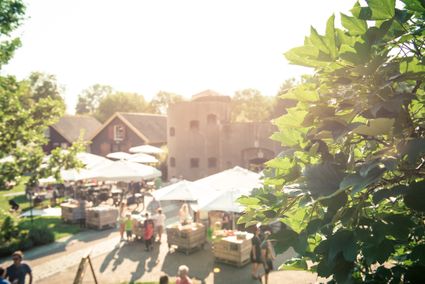
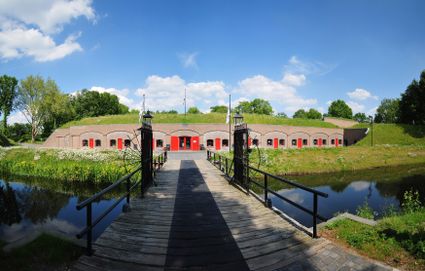
Fort aan de Klop is like a green oasis in the city of Utrecht. You are already there if you cycle fifteen minutes from the Dom along the Vecht. The fort is located on the border of the Overvecht and Zuilen districts.
Fort Ruigenhoek
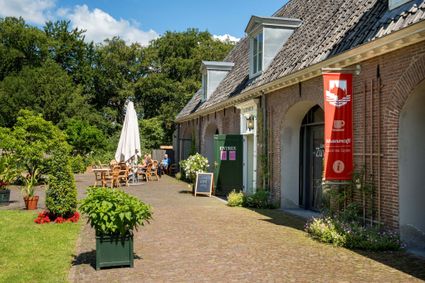
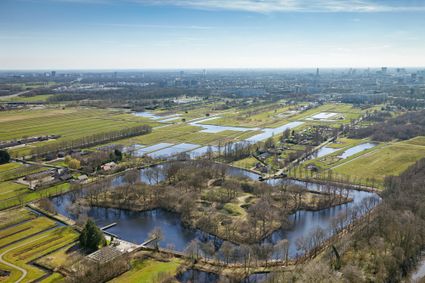
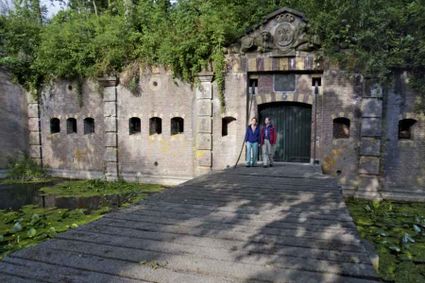
Fort Ruigenhoek is situated on an uninhabited island covered with old, monumental trees and dense undergrowth, criss-crossed by secret paths. The large defence work on the Ruigenhoek dyke was pa...
Fort Blauwkapel
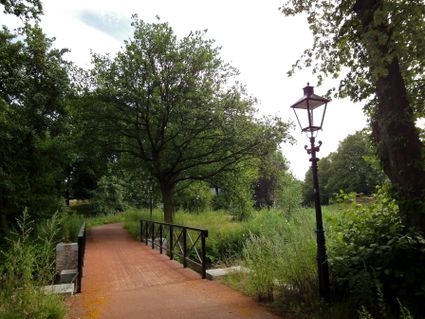
Fort Blauwkapel is one of the biggest fortresses of the New Dutch Waterline and was built around an existing village.
Fort Voordorp
Fort de Bilt
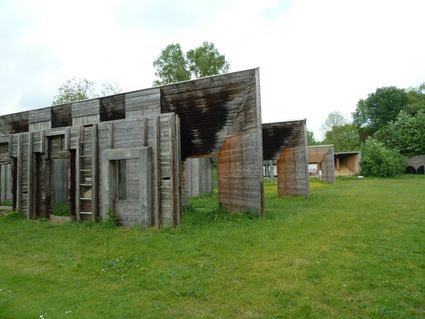
Built between 1816 and 1819, Fort de Bilt is a historical monument on Biltstraat.
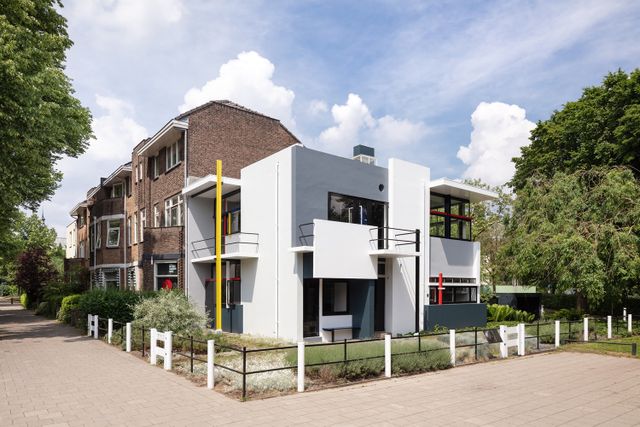
Rietveld Schröderhuis
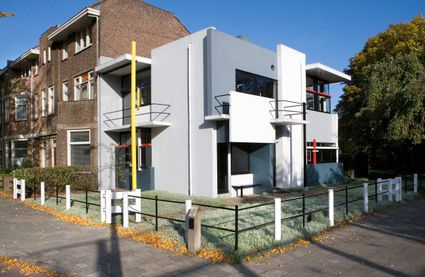
This is the masterpiece of Gerrit Rietveld, the designer who built the house in 1924, commissioned by the wilful Truus Schröder.
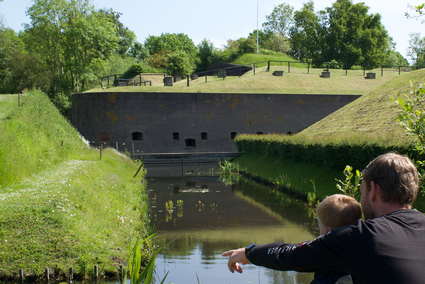
Fort bij Vechten
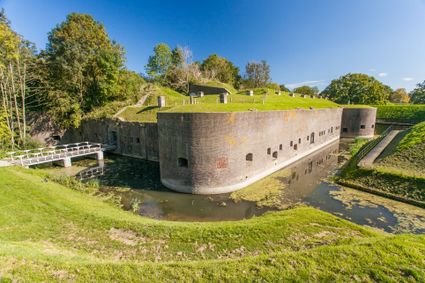
Fort Vechten was built in 1870 as part of the second ring of fortresses around the city of Utrecht. It numbers as many as 16 bomb-proof, earth-covered buildings, incorporating 16 million bricks....
Waterline Museum Fort Vechten
The Netherlands has a cool family museum: the Water Line Museum.Visit the museum and discover the nearby Fort Vechten at the same time. After a day of wandering around, th...
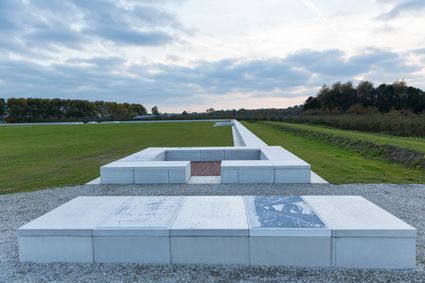
Castellum Fectio
Near Fort Vechten, the outline of the Roman fortress Castellum Fectio has been marked out. The past is brought back to life in an audio tour, which can be downloaded via the izi.travel app. Why...
Dom Under
DOMunder is an exploratory expedition taking in visible and invisible traces from the past.
Directions
The route is easy to follow via the cycling junction network and runs clockwise.
- 31
- 28
- 42
- 30
- 72
- 53
- 35
- 45
- 62
- 47
- 74
- 61
- 71
- 5
- 91
- 55
- 90
- 66
- 70
- 65
- 14
- 76
- 43
- 10
- 84
- 29
- 77
- 25
- 77
- 41
- 40
- 53
- 39
- 98
- 35
- 36
- 49
- 36
- 35
- 22
- 95
- 62
- 37
- 96
- 80
- 38
- 58
- 31