
Vianen city walk
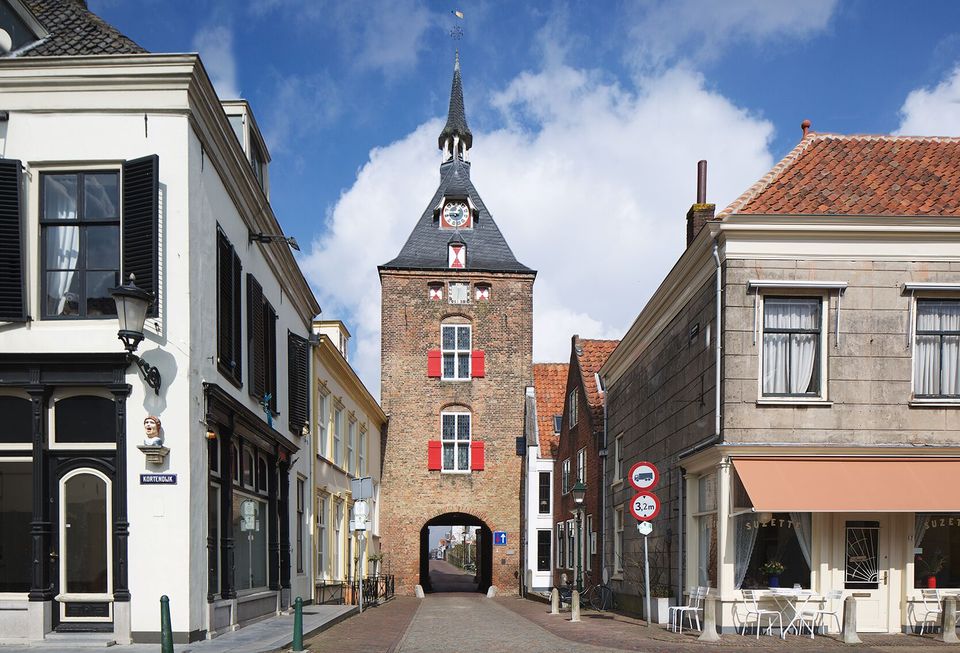
Boasting more than 190 national listed buildings, Vianen's history is visible everywhere you look. The city is also brim-full of stories told by grand edifices such as the Great Church and town hall as well as by the picturesque wall houses along Molenstraat and the old Lekpoort gate. This city walk takes you through Vianen's rich history as a ‘free city’, showing you all the loveliest spots in town. Enjoy the many fascinating stories and the inviting terraces of friendly Vianen.
Locations on this route
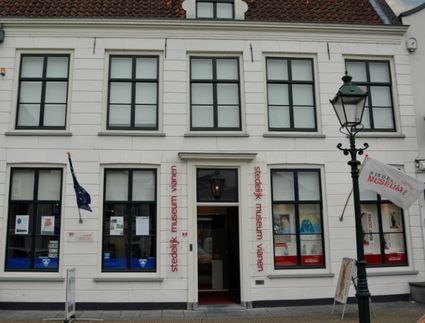
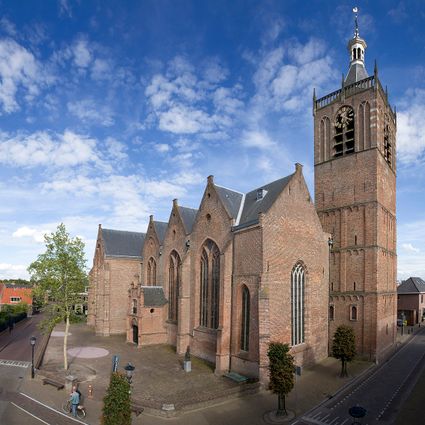
Grote Kerk Vianen (Great Church)
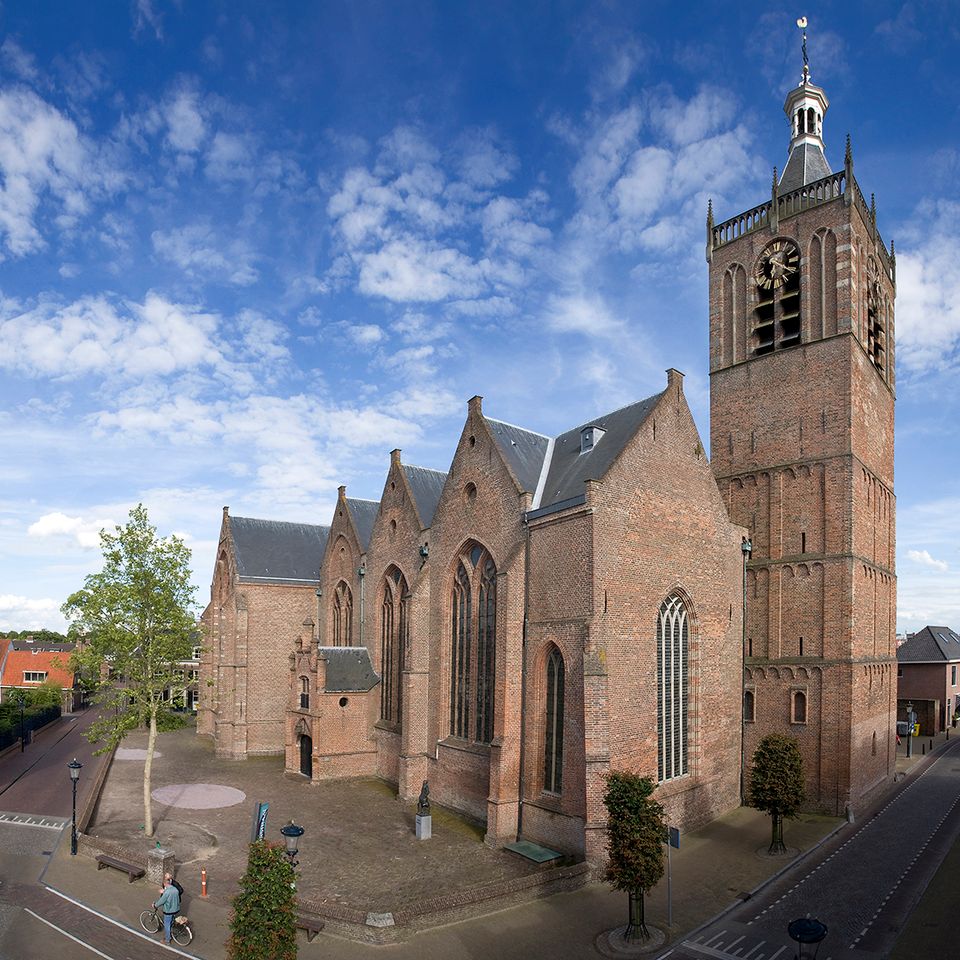
After a fire in the year 1540, the church (de Grote Kerk) was rebuilt in its current form almost immediately (as a combination of a hall church and cruciform church) with the support of Reinoud III van Brederode.
Grote Kerk Vianen (Great Church)
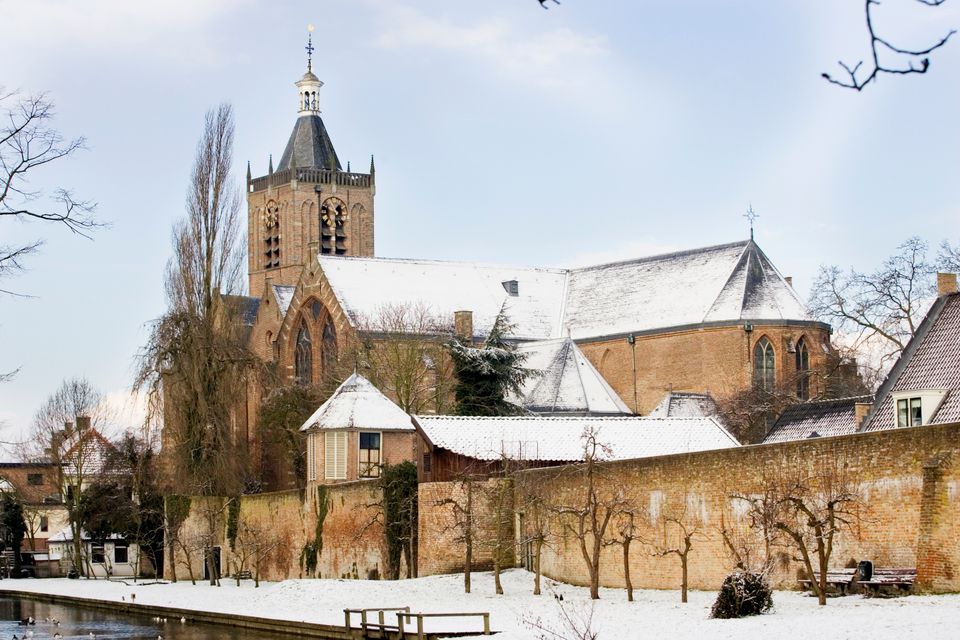
Hubrecht van Vianen founded a chapel in the 13th Century. It fell under the mother church in Hagestein and began growing fast. In the year 1345, it became a parish church and was granted marriage and burial rights. For this, a sum of money had to be paid to the church in Hagestein annually. In the 14th Century, the chapel was replaced by a single-nave church. In the year 1433, following a feud between Vianen and Hagestein, the Bishop of Utrecht decided to split the two churches.
In the mid-15th Century, the church was replaced by a 3-aisle Gothic hall church which is the same size as the current church. (Including the tower, it’s 77.5 metres long, 43 metres wide and 41 metres high.) Since the church also contains the family graves of the Lords of Vianen, it was required to match the grand status of the Brederodes in terms of its size and appearance.
After a fire in the year 1540, the church (de Grote Kerk) was rebuilt in its current form almost immediately (as a combination of a hall church and cruciform church) with the support of Reinoud III van Brederode. The church became Reformed under his son, Hendrik van Brederode. On 25 September 1566, the Roman Catholic institution disappeared and then, on 1 October, the first Protestant service was held.
Discover all monuments in Vianen.
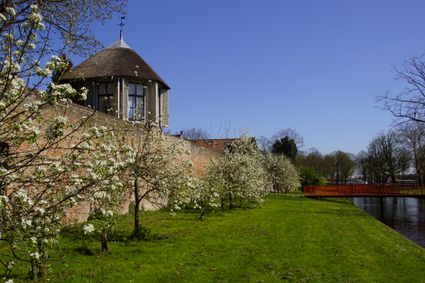
Town wall and town canal
The past is never far away on a walk in and around Vianen town centre. The remains of the original defences can be found in various places: the Lekpoort, town walls and towers and canals.
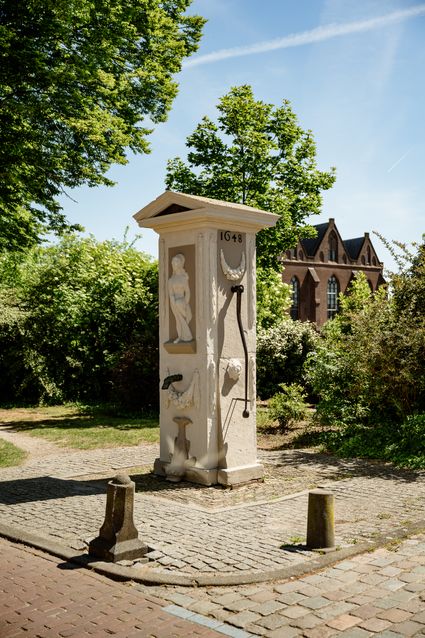
Hofplein water pump
The pump was built in the year 1648 on the orders of Johan Wolfert van Brederode during a major operation to renovate and beautify the castle.
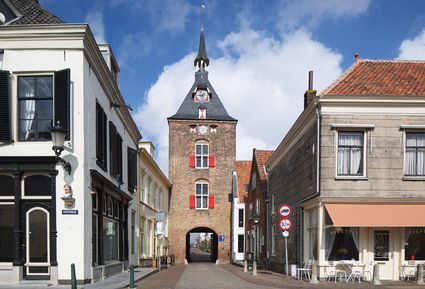
The Lekpoort
The Lekpoort is the only city gate still remaining after parts of the city wall and gates were demolished in the 19th century, when they were seen to be impeding the increasing traffic.
Vianen town hall
Originally, the town hall consisted of a spacious hall, the civic hall, which was also used as a market hall, with a smaller space at the rear of the building. From this smaller space, the town was governed and justice was administered.
