From cathedral to countryside
Discover Utrecht’s UNESCO World Heritage Sites!
Utrecht is home to three remarkable UNESCO World Heritage sites: the iconic Rietveld Schröder House, the impressive Dutch Water Defence Lines, and the ancient Limes, the northern frontier of the Roman Empire. Each site is one of a kind, telling stories you won’t find anywhere else.
With five special cycling routes ranging from 16 to 41 kilometres, you can explore Utrecht’s rich history, striking architecture, and beautiful landscapes. This particular route takes you from Castellum to Schröder—discover three UNESCO World Heritage Sites on a route rich in history, forts and sweeping panoramic views.
Hop on your bike, be surprised, and experience Utrecht’s World Heritage!
Take a look
Locations on this route
DOMunder
Discover 2000 years of history underneath the Domplein square.
DOMunder
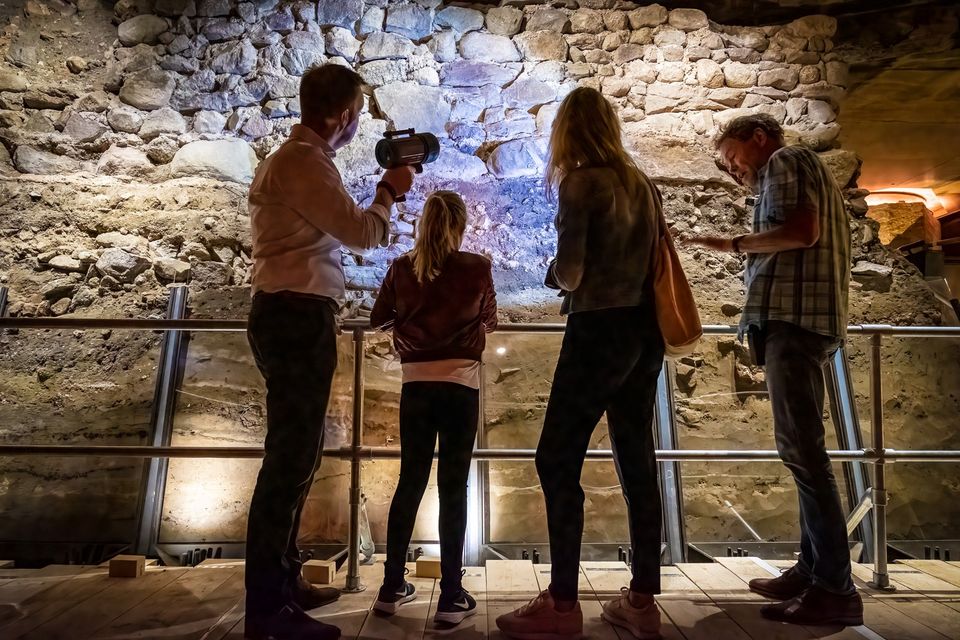
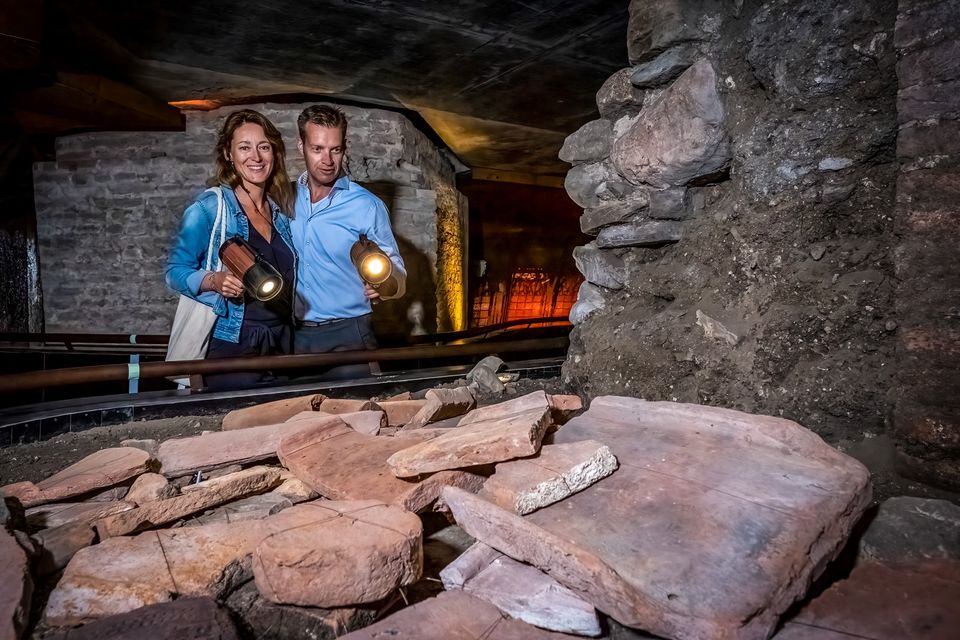
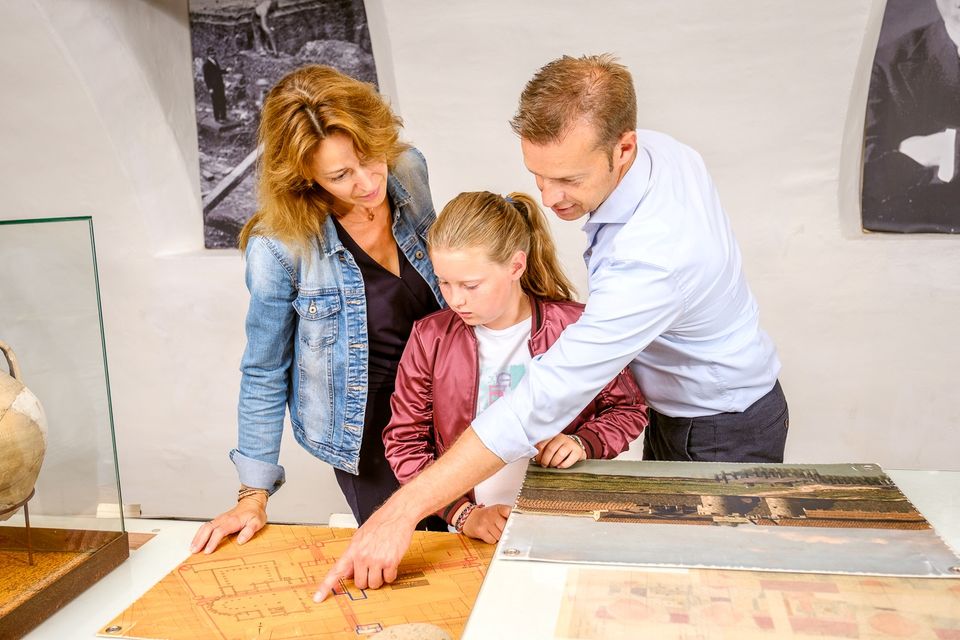
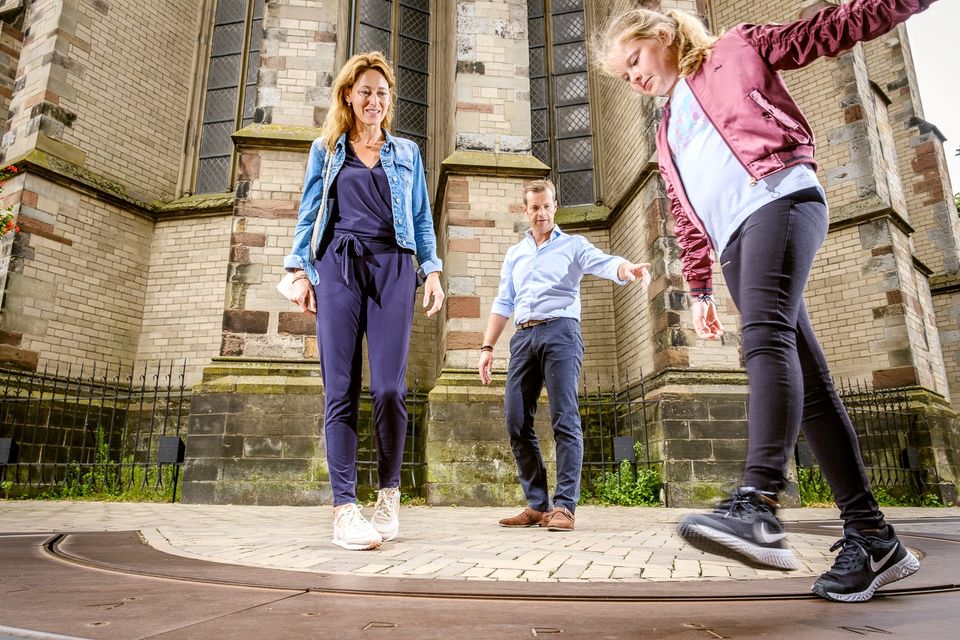
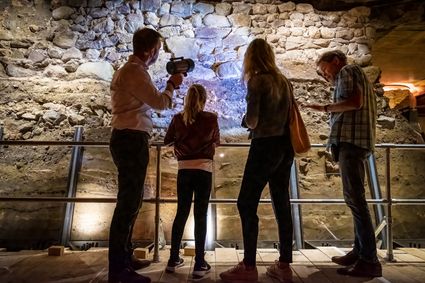
DOMunder uncovers the rich history of one of Utrecht's most significant locations: Domplein. Guided by an expert and equipped with your own smart flashlight, you will explore the place where the city of Utrecht was born. Go underground and discover archaeological remains and exciting stories.
Rietveld Schröderhuis
The masterpiece of G. Rietveld, monument and a UNESCO World Heritage Site, is certainly worth a visit.
Rietveld Schröderhuis
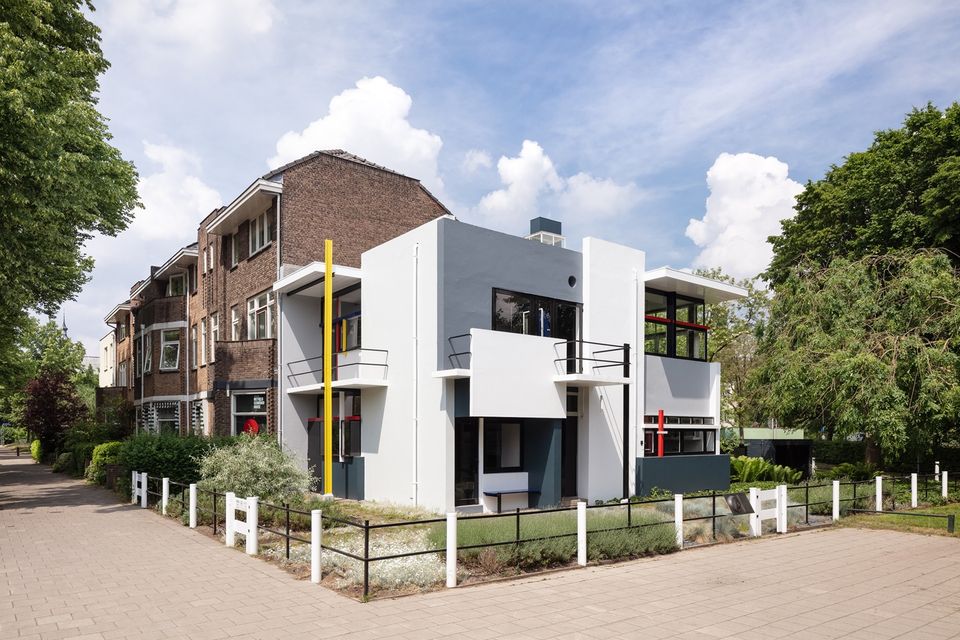
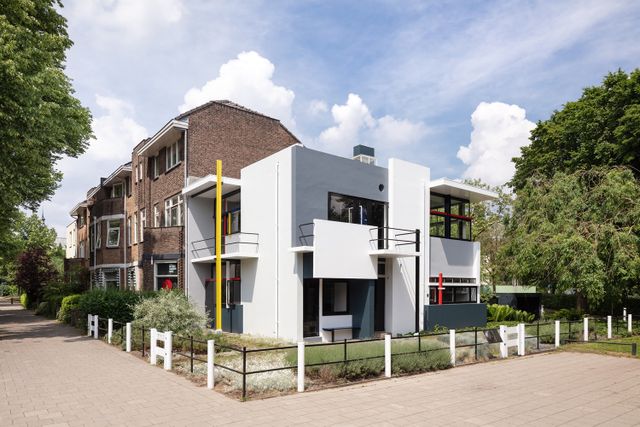
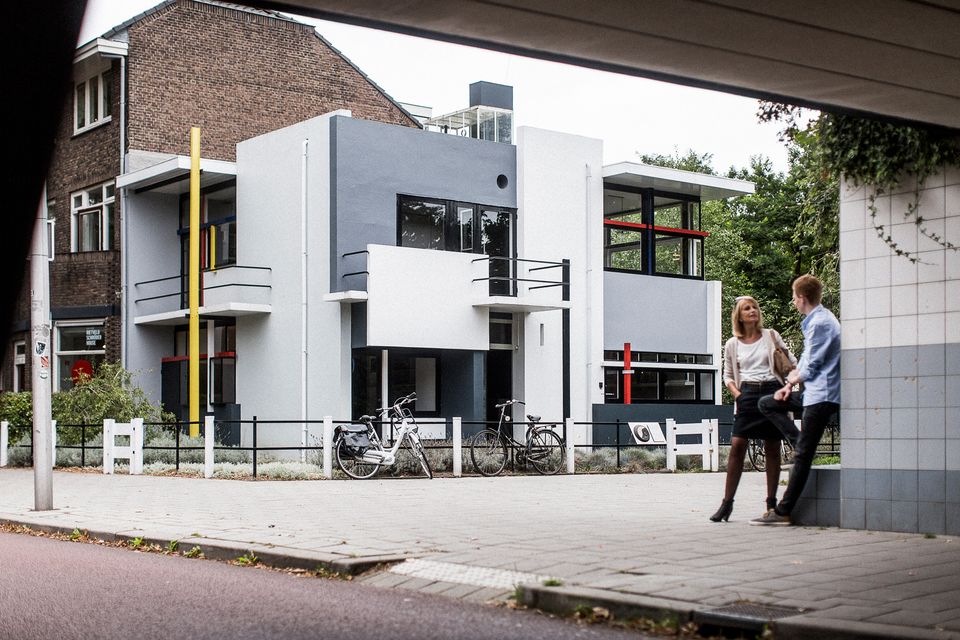
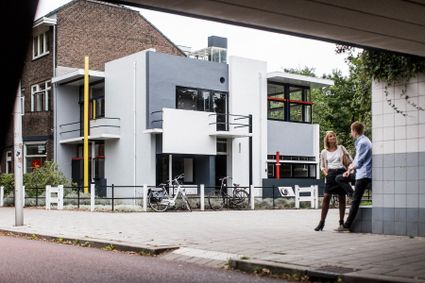
The Rietveld Schröder House is the architectural highlight of the art movement De Stijl. The house was designed by the Utrecht architect and designer Gerrit Rietveld, commissioned by widow Truus Schröder in 1924. The house is not only designed but also decorated by Gerrit Rietveld (1888 – 1964).
De Stijl
The house is designed according to the principles of De Stijl. Characteristic for De Stijl are the seamless transitions from inside to out, by breaking open the closed walls. The use of primary colours red, blue and yellow (besides white, grey and black) is also part of this art movement.
Truus Schröder was deeply involved in the location and design of the house. She had a clear view on the way she wanted to live. Soberness, for example, was fundamental, as she wanted to live in the active sense and not be lived. This resulted in a large and bright living area which can be partitioned into different spaces using flexible walls.
Through the years, Rietveld did several adjustments to the building, but after the passing of Truus Schöder in 1985, the house was restored and brought back to original state. The Rietveld Schröderhuis consist lots of original furniture by Rietveld. For example the zigzag chair and the famous red-blue chair.
Accessibility
Unfortunately the Rietveld Schröder House is not accessible for wheel chairs, prams and strollers.
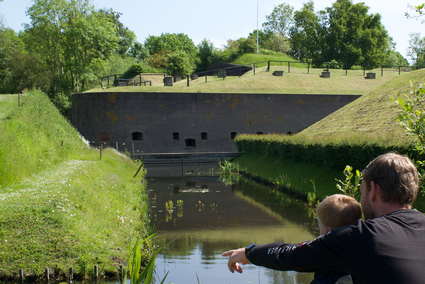
Waterline Museum Fort Vechten
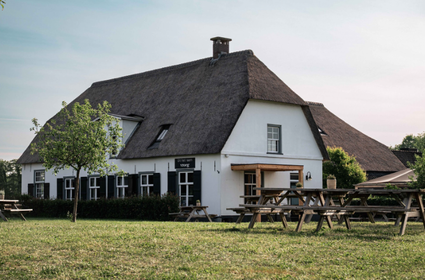
The Netherlands has a cool family museum: the Water Line Museum.Visit the museum and discover the nearby Fort Vechten at the same time. After a day of wandering around, th...
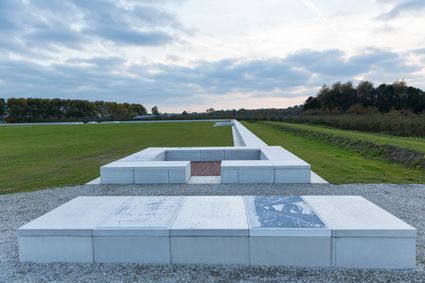
Castellum Fectio
Near Fort Vechten, the outline of the Roman fortress Castellum Fectio has been marked out. The past is brought back to life in an audio tour, which can be downloaded via the izi.travel app. Why...
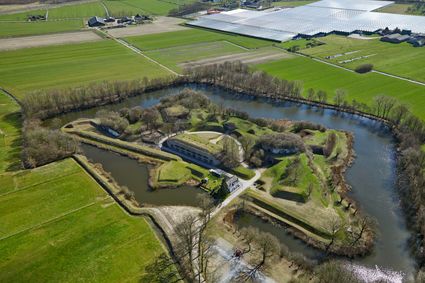
Fort 't Hemeltje
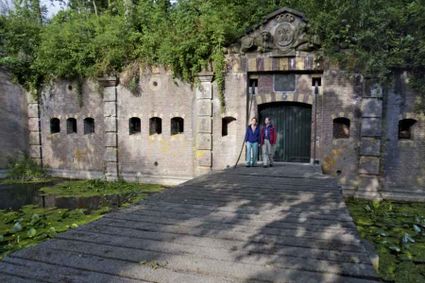
Fort 't Hemeltje dates from 1877-1881 and is the last built fort of the New Dutch Waterline. It defended a strip of land that could not be flooded and the 's-Hertogenbosch-Utrecht railway line....
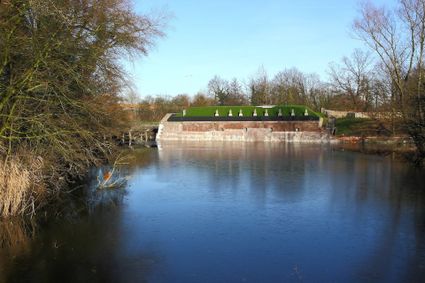
Fortresses of the four Lunetten
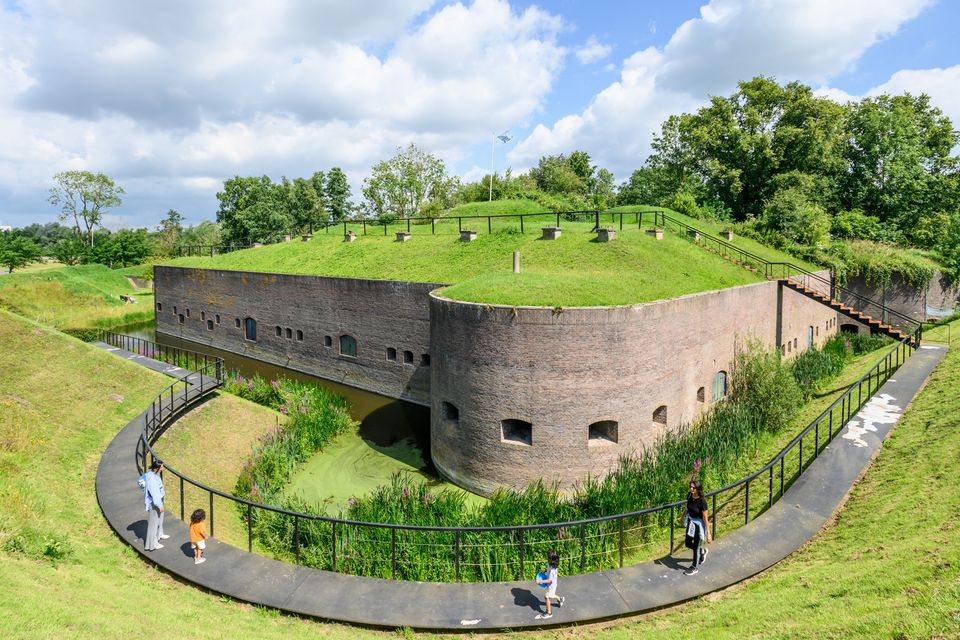
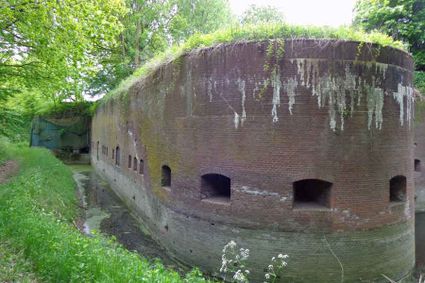
The four crescent shaped forts of Lunetten have been build between 1822 and 1828 as part of the Dutch Water Line.
DOMunder
Discover 2000 years of history underneath the Domplein square.
DOMunder
DOMunder uncovers the rich history of one of Utrecht's most significant locations: Domplein. Guided by an expert and equipped with your own smart flashlight, you will explore the place where the city of Utrecht was born. Go underground and discover archaeological remains and exciting stories.
Directions
You can easily follow the route via cycling junctions, which are marked clockwise. The route starts and ends at the Dom Tower. From here, cycle via the Nieuwegracht to junction 58. From there, follow the route through the junctions.
Note: To visit Fort bij 't Hemeltje, cycle from junction 49 along the Fortweg towards junction 93. You will find Fort bij 't Hemeltje a few hundred metres on your left. To continue the route, return to junction 49.
- 58
- 86
- 21
- 84
- 29
- 77
- 41
- 40
- 53
- 39
- 98
- 35
- 36
- 49
- 85
- 93
- 49
- 57
- 11
- 78
- 81
- 80
- 38
- 58