odp
193 to 216 of 296 locations
-
Fort de Gagel
Fort de Gagel
3566 MJ Utrecht -
The old St. Nicholas Church
The old St. Nicholas Church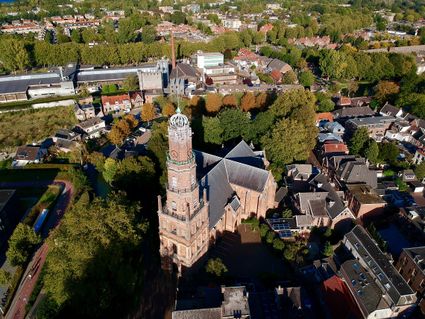
3401 BM IJsselstein -
De Paltz Estate
De Paltz Estate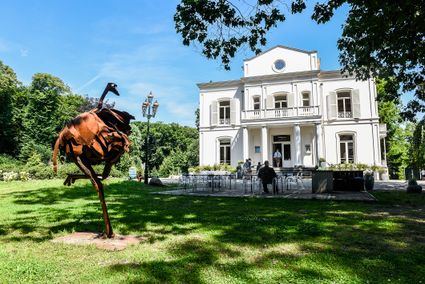
3768 MZ Soest -
Fort Maarsseveen
Fort Maarsseveen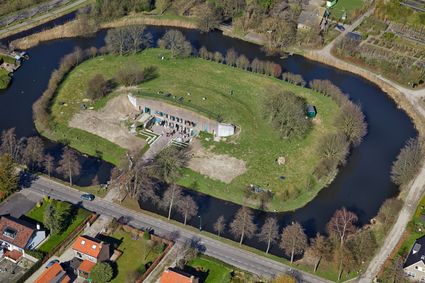
Herenweg 2
3602 AM Maarssen -
TOP Groeneveld Castle
TOP Groeneveld Castle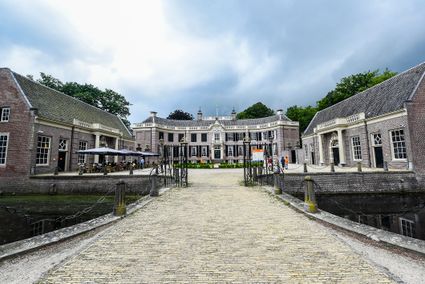
3744 ML Baarn -
Restaurant Rederij De Eemlust
Restaurant Rederij De Eemlust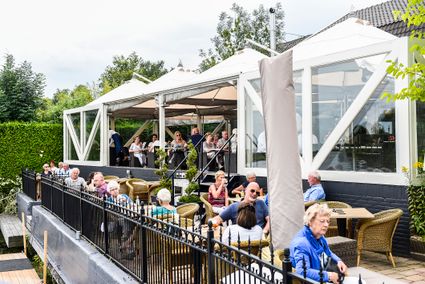
3741LC Baarn -
Fort Voordorp
Fort Voordorp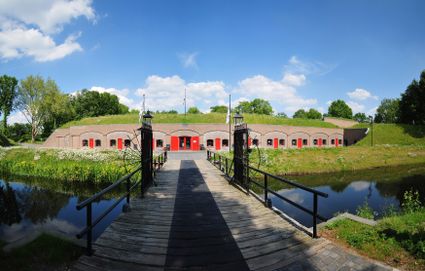
3737 BK Groenekan -
Sawmill De Ster
Sawmill De Ster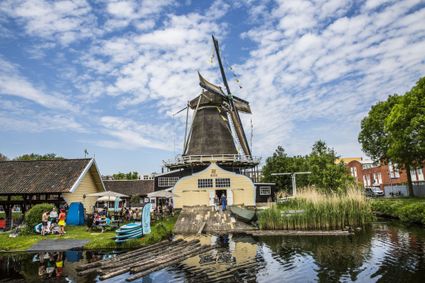
3531 ET Utrecht -
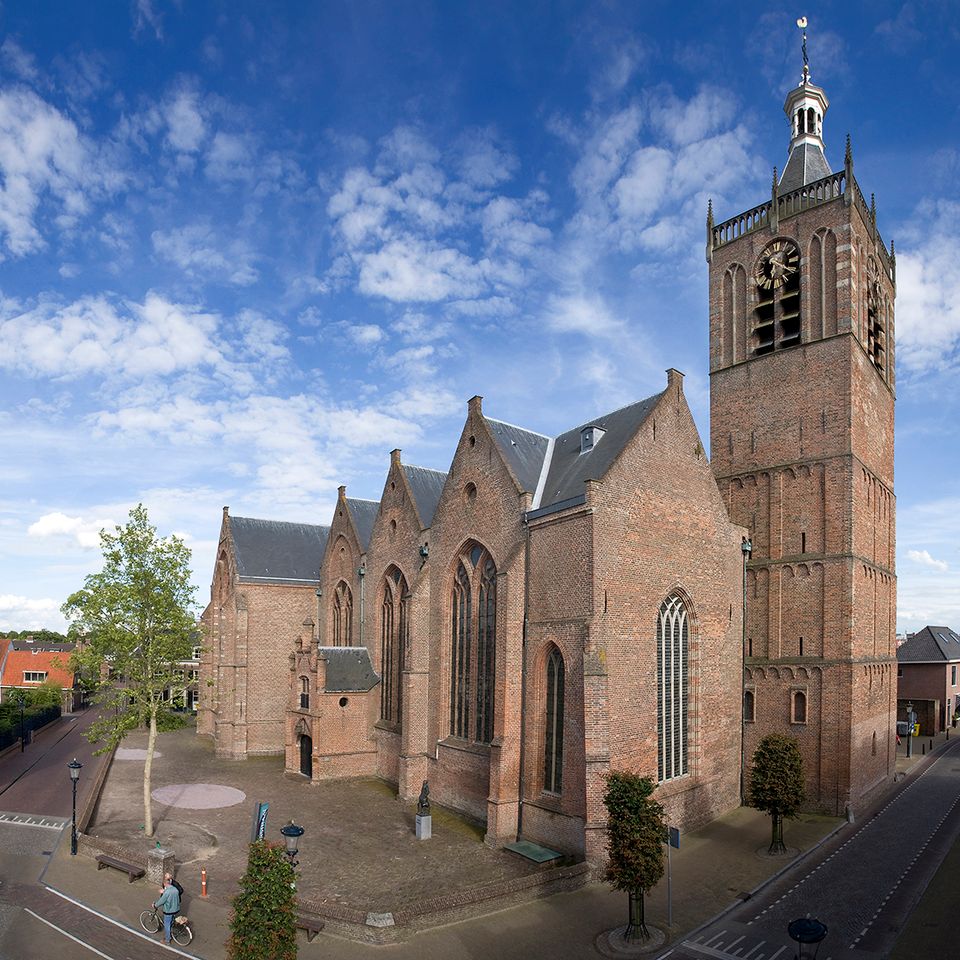
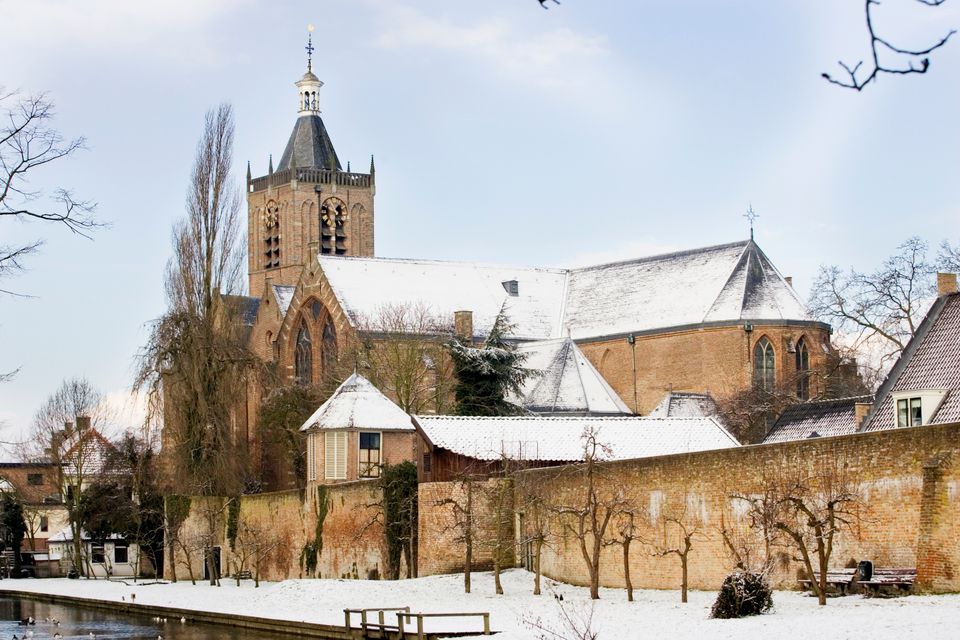
Grote Kerk Vianen (Great Church)
Grote Kerk Vianen (Great Church)
Hubrecht van Vianen founded a chapel in the 13th Century. It fell under the mother church in Hagestein and began growing fast. In the year 1345, it became a parish church and was granted marriage and burial rights. For this, a sum of money had to be paid to the church in Hagestein annually. In the 14th Century, the chapel was replaced by a single-nave church. In the year 1433, following a feud between Vianen and Hagestein, the Bishop of Utrecht decided to split the two churches.
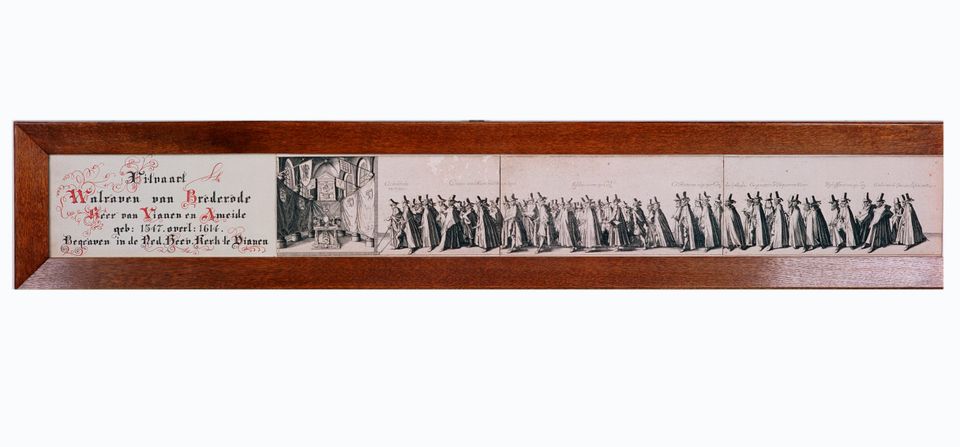
In the mid-15th Century, the church was replaced by a 3-aisle Gothic hall church which is the same size as the current church. (Including the tower, it’s 77.5 metres long, 43 metres wide and 41 metres high.) Since the church also contains the family graves of the Lords of Vianen, it was required to match the grand status of the Brederodes in terms of its size and appearance.
After a fire in the year 1540, the church (de Grote Kerk) was rebuilt in its current form almost immediately (as a combination of a hall church and cruciform church) with the support of Reinoud III van Brederode. The church became Reformed under his son, Hendrik van Brederode. On 25 September 1566, the Roman Catholic institution disappeared and then, on 1 October, the first Protestant service was held.
Discover all monuments in Vianen.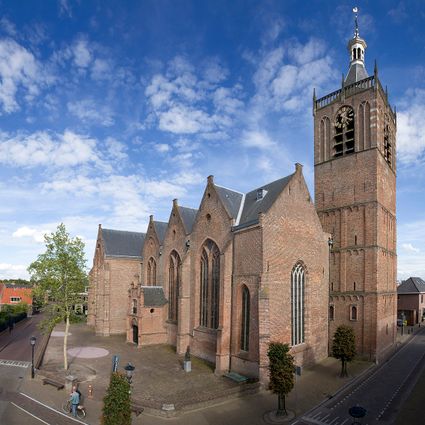
Voorstraat 110
4132 AT Vianen -
-
Bicycle Boat, stop Breukelen
Bicycle Boat, stop Breukelen
Herenstraat 41
3621AP Breukelen -
Fort Everdingen aan de Lek
Fort Everdingen aan de Lek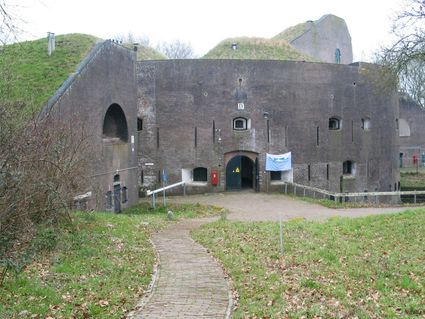
4121 KK Everdingen -
Treek-Henschoten Estate
Treek-Henschoten Estate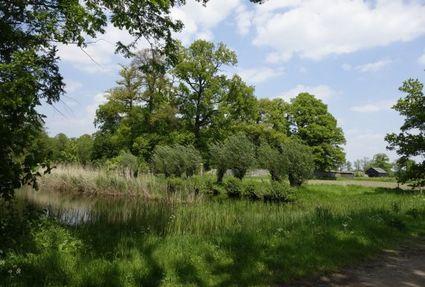
3832 RS Leusden -
Bicycle Boat, stop NIeuwersluis
Bicycle Boat, stop NIeuwersluis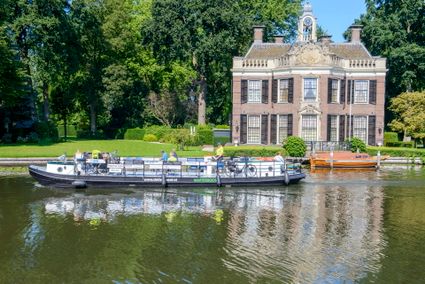
zandpad 9
3631 NK Nieuwersluis -
Fort Maarsseveen
Fort Maarsseveen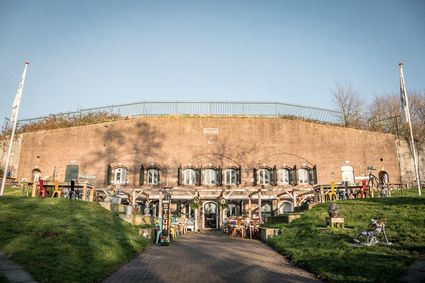
3602 AM Maarssen -
Bijzondere Taarten Fabriek
Bijzondere Taarten Fabriek
Zeist -
National Military Museum
National Military Museum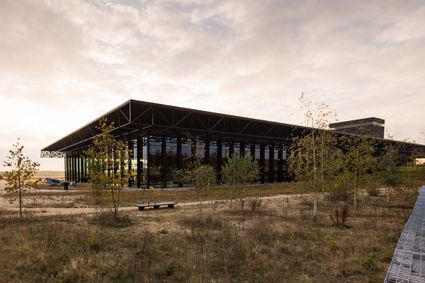
3768 MX Soest -
Restaurant De Dennen
Restaurant De Dennen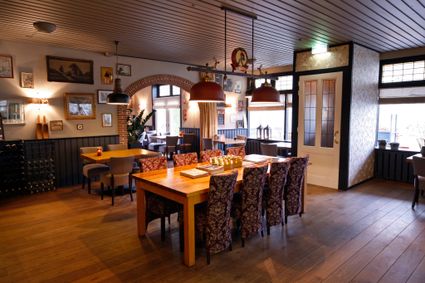
3927 AW Renswoude -
TOP Laagraven
TOP Laagraven
3439 ZZ Nieuwegein -
Pausdam
Pausdam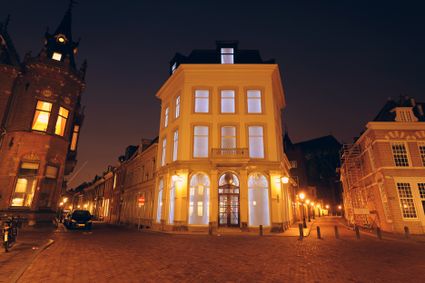
3512 HN Utrecht -
Fort Hoofdijk
Fort Hoofdijk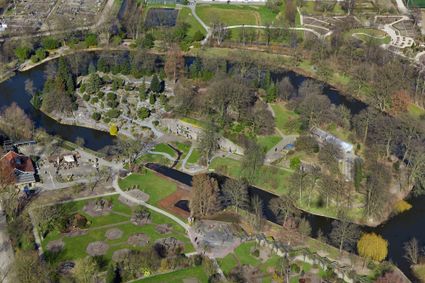
3584 HD Utrecht -
Fort on the Ossenmarkt
Fort on the Ossenmarkt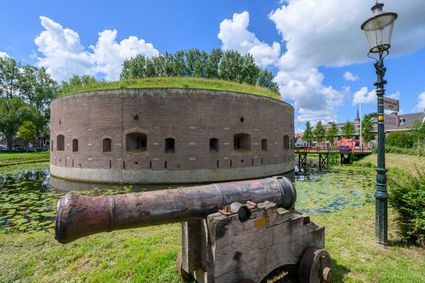
Ossenmarkt 44
1381 LX Weesp -
Fort Abcoude
Fort Abcoude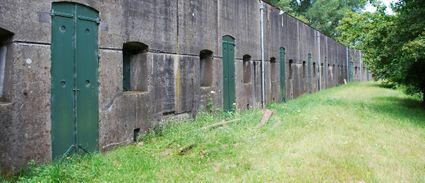
1391 CG Abcoude -
Parc Broekhuizen
Parc Broekhuizen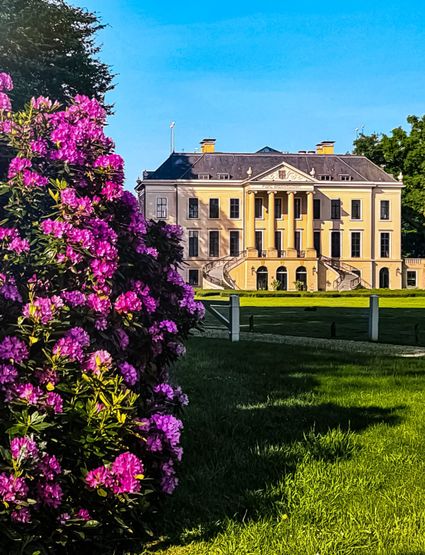
3956 NS Leersum -
TOP Winkelpolder, Vinkeveen
TOP Winkelpolder, Vinkeveen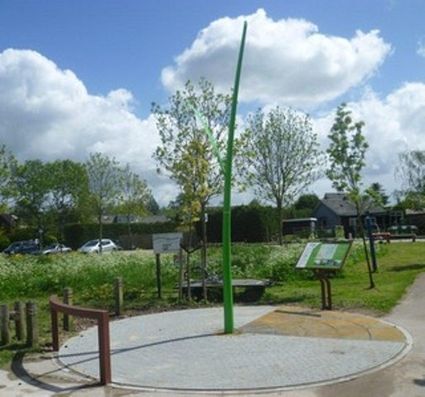
3645AP Vinkeveen