odp
265 to 288 of 296 locations
-
Recreatieboerderij De Kleine Weide
Recreatieboerderij De Kleine Weide
3927 CV Renswoude -
Cheese Warehouse | Cheese Experience
Cheese Warehouse | Cheese Experience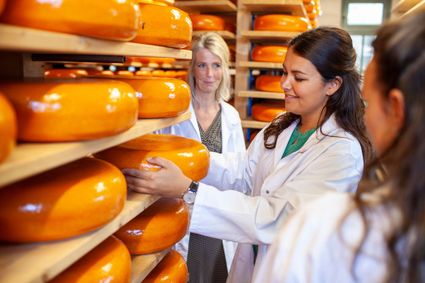
Emmakade 6A
3441 AJ Woerden -
Bungalowpark 't Eekhoornnest
Bungalowpark 't Eekhoornnest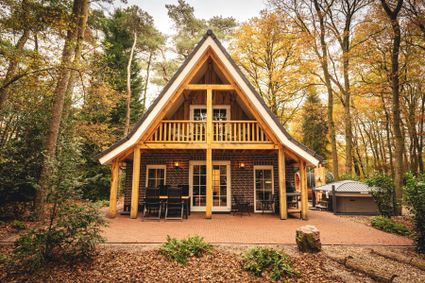
3768 HL Soest -
Beauforthuis
Beauforthuis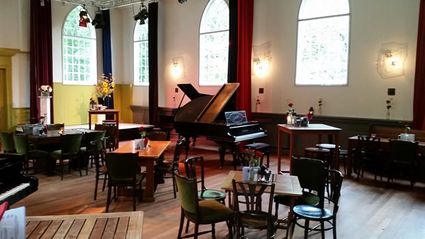
3711 AB Austerlitz -
TOP teahouse Mon Chouette
TOP teahouse Mon Chouette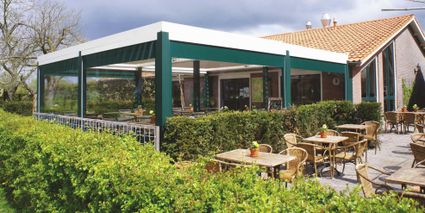
3831 JZ Leusden -
Veenendaal Museum
Veenendaal Museum
3901 TP Veenendaal -
Fort de Gagel
Fort de Gagel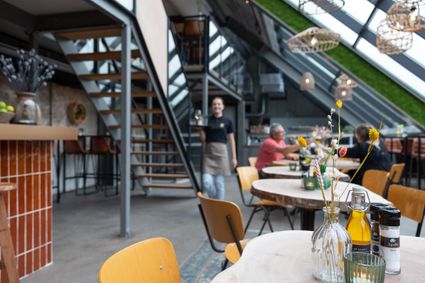
3566 MJ Utrecht -
The Windotter windmill
The Windotter windmill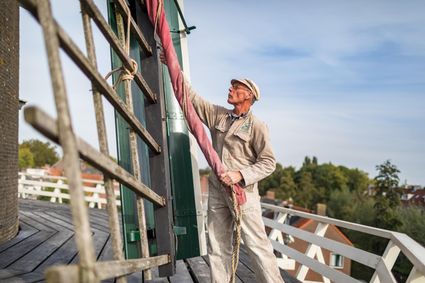
3401 DR IJsselstein -
Restaurant-Chalet Klein Zwitserland
Restaurant-Chalet Klein Zwitserland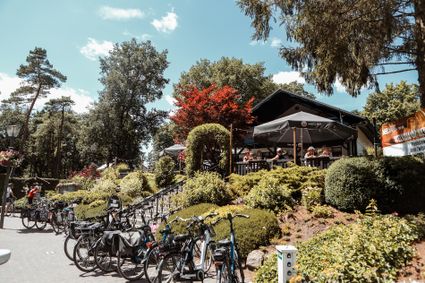
3971 GM Driebergen-Rijsenburg -
Museum Vredegoed
Museum Vredegoed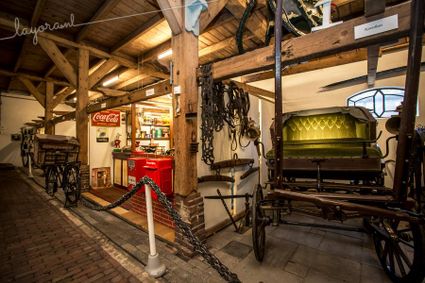
3612 BA Tienhoven -
BAK, basis voor actuele kunst
BAK, basis voor actuele kunst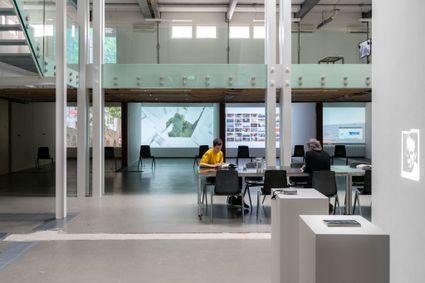
3512 TG Utrecht -
Fort Everdingen
Fort Everdingen
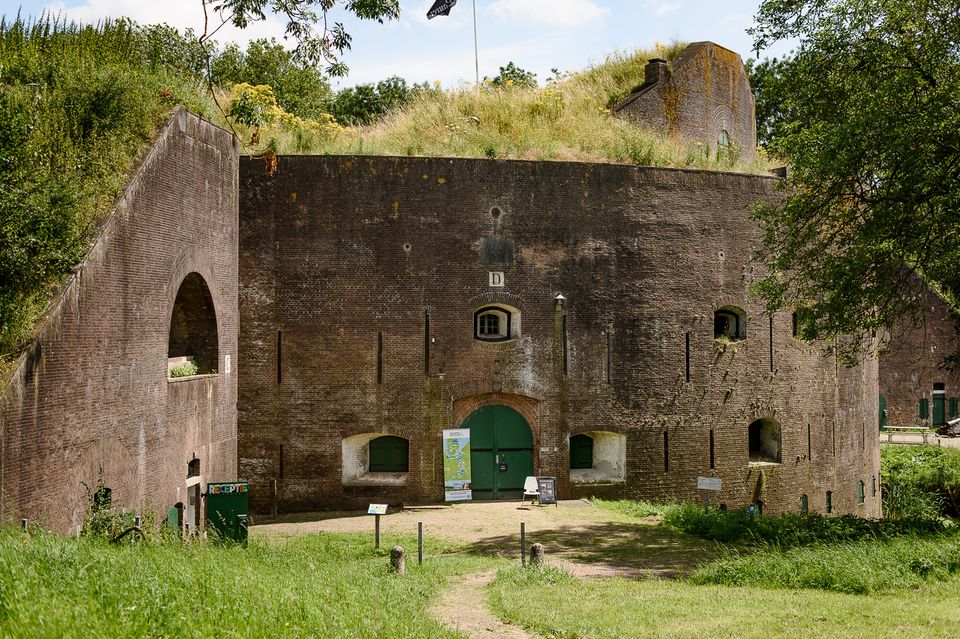
Anyone who delves into the history of the Vijfheerenlanden will soon discover that the now very quiet and peaceful area has a history filled with clashing weapons. Destroyed towns and castles, plundering and domestic (and foreign) wars: every town and village has its own story to tell. Everdingen was put on the Dutch military map in the 19th Century as part of the New Dutch Water Line.
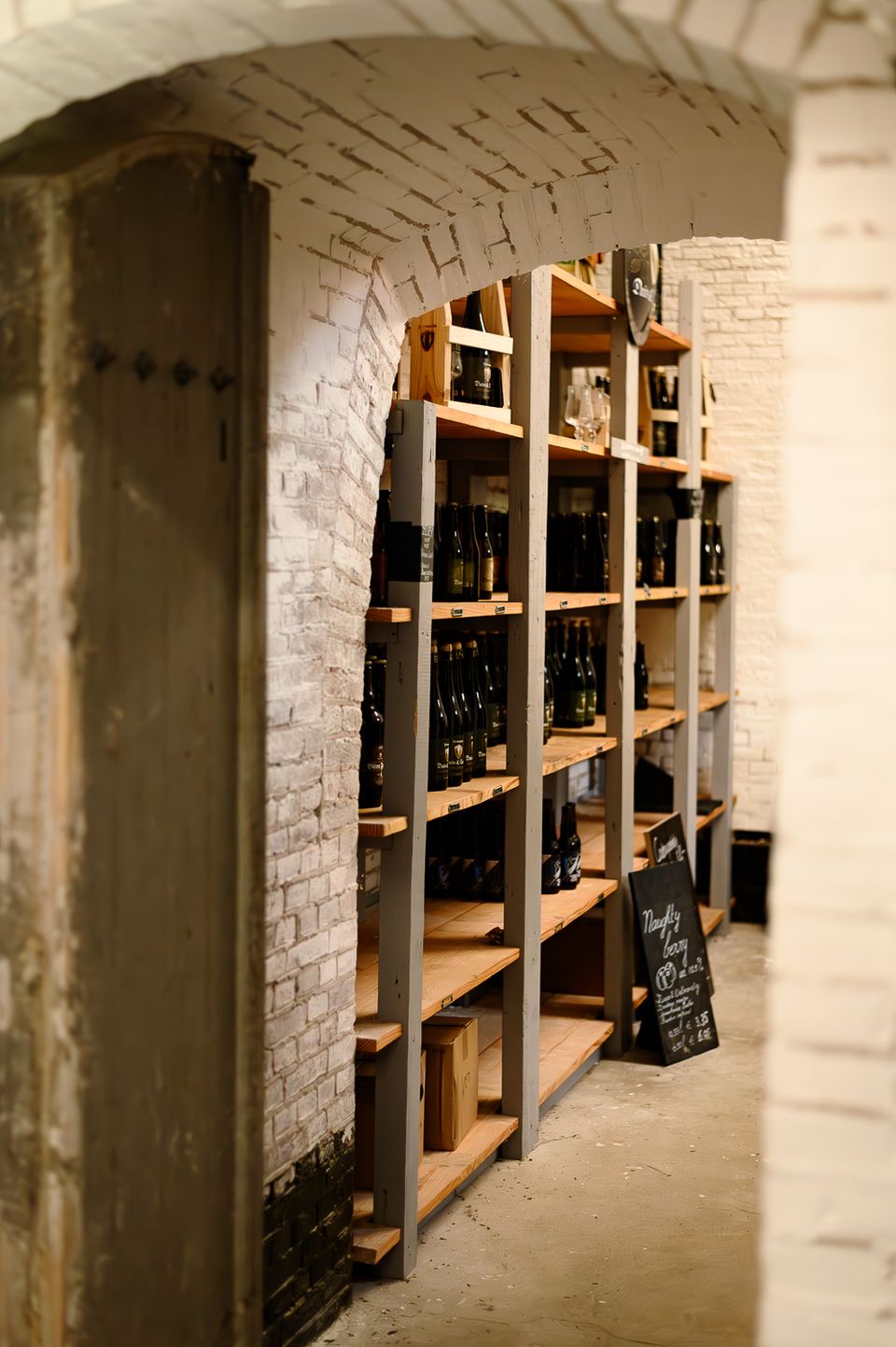
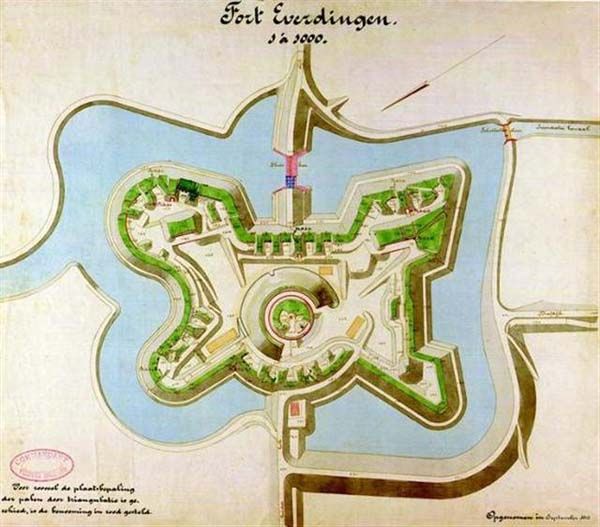
The New Dutch Water Line ran from the former Zuiderzee near Muiden to the Biesbosch near Werkendam and consisted of a variety of defences and inundation fields (areas that could be placed underwater). Fort Everdingen was built between 1842 and 1847 and, together with Fort Honswijk, formed the Lek access on the other side of the Lek. The surrounding land could be flooded using inundation locks. The fort itself was walled and well defended by a variety of casemates. The new Dutch Water Line was prepared 3 times. At the end of World War II, German forces used the line as a defence against the advancing Allies. Fort Everdingen lost its defensive function after the war. The military Explosive Ordinance Disposal service used the fort until 2014. It’s now home to the German & Lauret brewery, which uses the special water filtering system in their brewery. It’s also an over-wintering place for many bats.
Further reading: Batestein Castle, Hagestein Castle, Vianen Castle, Brederode statue, Everdingen village centre, Vianen water tower.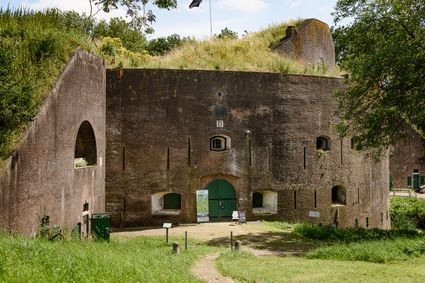
4121 KK Everdingen -
-
TOP ‘t Jagershuys
TOP ‘t Jagershuys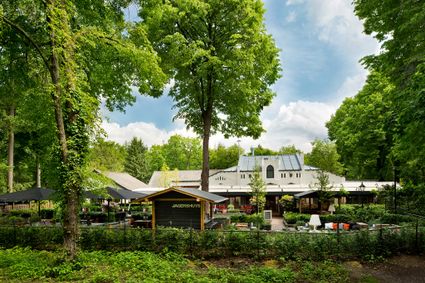
3707 HW Zeist -
TOP citypark Oudegein
TOP citypark Oudegein
3432 NE Nieuwegein -
Fort Werk aan de Groeneweg
Fort Werk aan de Groeneweg
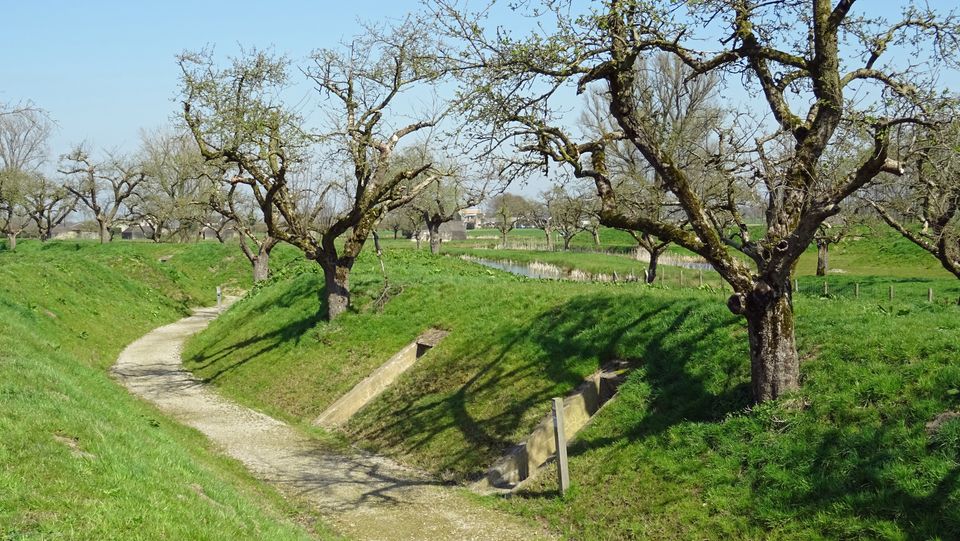
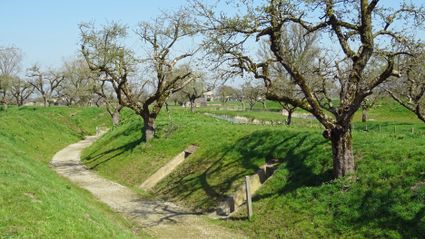
Walking through the historic trenches of Werk aan de Groeneweg is like a walk back in time. The defence structure still has its original configuration. The infantry set-up in World War One consisted of a double trench with earthen walls, 55 group shelters and lovely fruit trees.
The grounds are a fantastic playground for children. You can have a great time here roaming around, crawling through a trench, playing hide and seek and participating in an exciting search and experience walk of about 2 km, with soldier Vendrik as your guide.
3998 Schalkwijk -
-
Landgoed Ginkelduin
Landgoed Ginkelduin
3956 KD Leersum -
Dutch Water Defence Lines
Dutch Water Defence Lines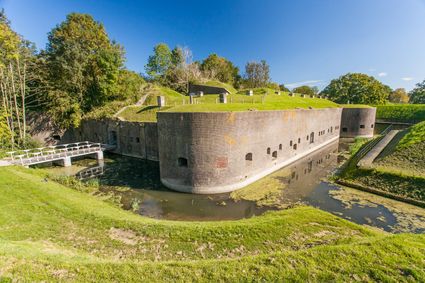
De Hollandse Waterlinies
Utrecht -
Petting Zoo 'Oortjespad'
Petting Zoo 'Oortjespad'
3471 HD Kamerik -
Country Estate Bergse Bossen***
Country Estate Bergse Bossen***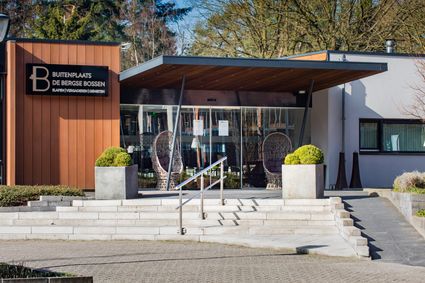
3971 GM Driebergen-Rijsenburg -
TOP Laagraven
TOP Laagraven
3439 ZZ Nieuwegein -
National Glass Museum & Glass studio
National Glass Museum & Glass studio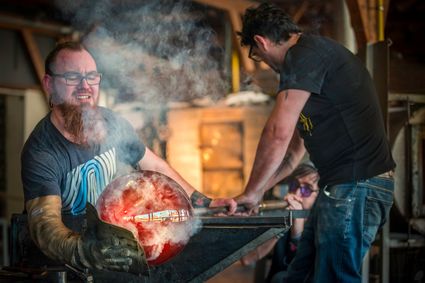
4142 LD Leerdam -
TOP Beauforthuis
TOP Beauforthuis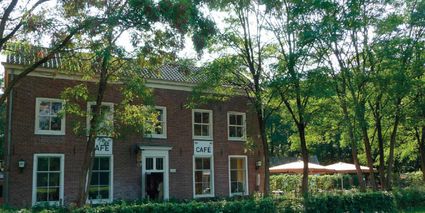
3711 AB Austerlitz -
Museum Bunker Leusden
Museum Bunker Leusden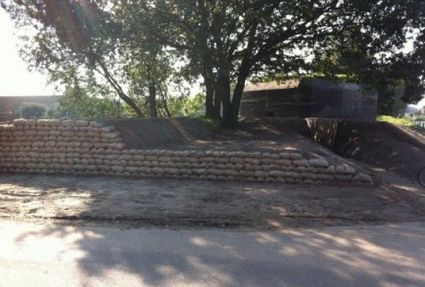
3831 RZ Leusden -
Grote Kerk Vianen (Great Church)
Grote Kerk Vianen (Great Church)
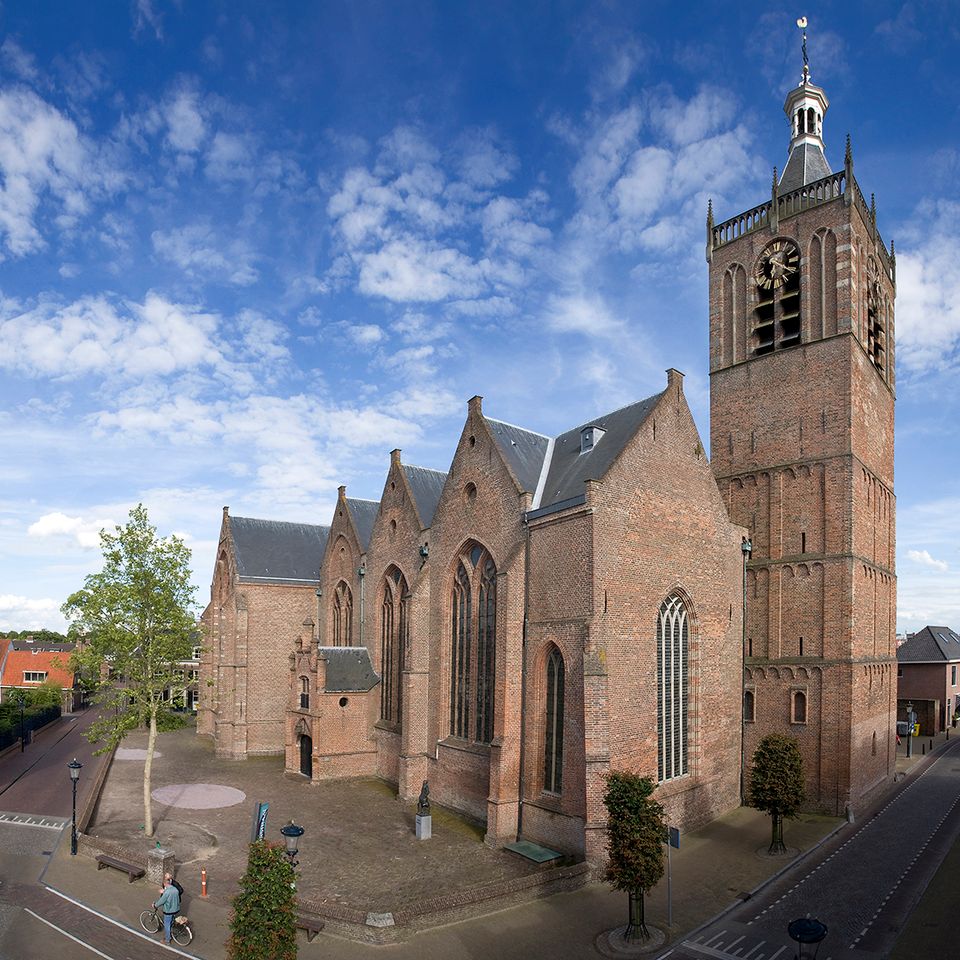
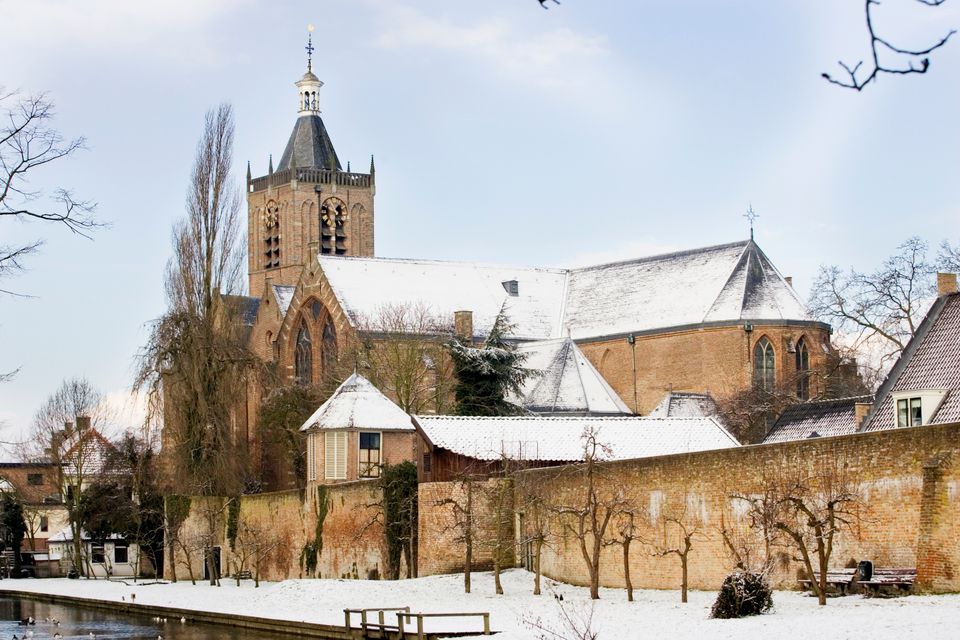
Hubrecht van Vianen founded a chapel in the 13th Century. It fell under the mother church in Hagestein and began growing fast. In the year 1345, it became a parish church and was granted marriage and burial rights. For this, a sum of money had to be paid to the church in Hagestein annually. In the 14th Century, the chapel was replaced by a single-nave church. In the year 1433, following a feud between Vianen and Hagestein, the Bishop of Utrecht decided to split the two churches.
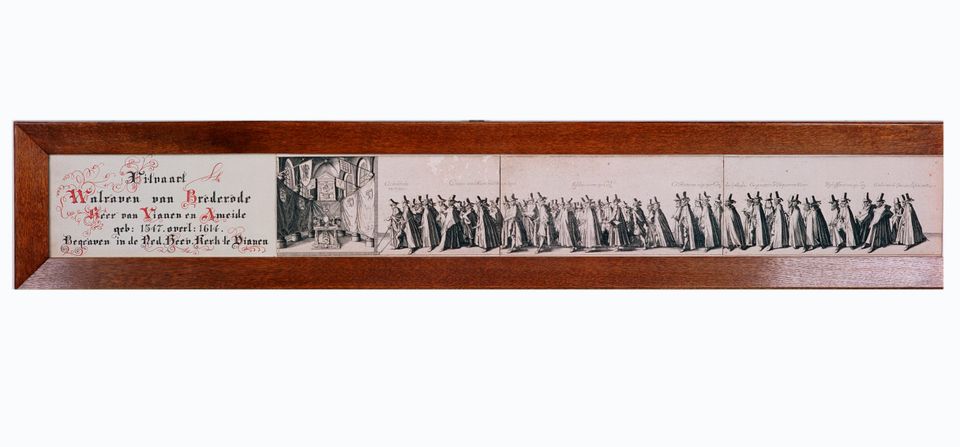
In the mid-15th Century, the church was replaced by a 3-aisle Gothic hall church which is the same size as the current church. (Including the tower, it’s 77.5 metres long, 43 metres wide and 41 metres high.) Since the church also contains the family graves of the Lords of Vianen, it was required to match the grand status of the Brederodes in terms of its size and appearance.
After a fire in the year 1540, the church (de Grote Kerk) was rebuilt in its current form almost immediately (as a combination of a hall church and cruciform church) with the support of Reinoud III van Brederode. The church became Reformed under his son, Hendrik van Brederode. On 25 September 1566, the Roman Catholic institution disappeared and then, on 1 October, the first Protestant service was held.
Discover all monuments in Vianen.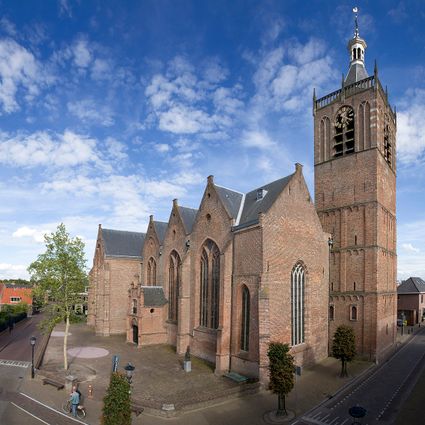
Voorstraat 110
4132 AT Vianen -