odp
97 to 120 of 295 locations
-
Treek-Henschoten Estate
Treek-Henschoten Estate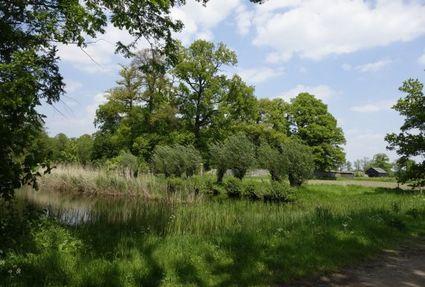
3832 RS Leusden -
Geerestein estate
Geerestein estate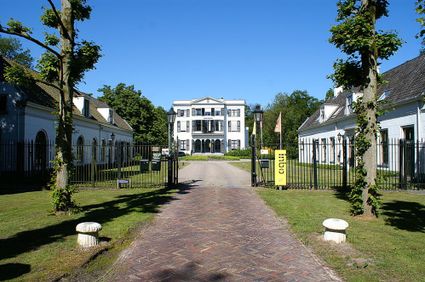
3931 JB Woudenberg -
Dagwinkel Aloys Hageman
Dagwinkel Aloys Hageman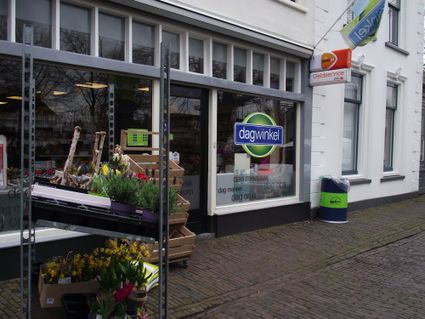
Voorstraat 15
3633 BB Vreeland -
Nationaal Bomenmuseum Gimborn
Nationaal Bomenmuseum Gimborn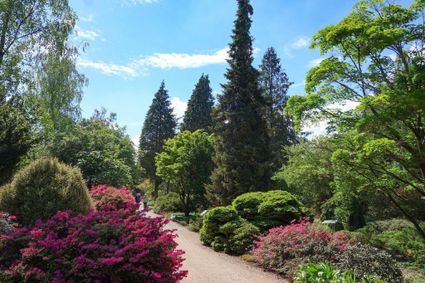
3941 BZ Doorn -
Rope museum
Rope museum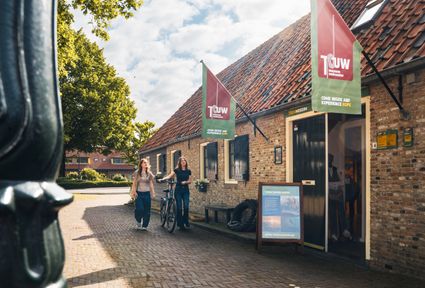
3421 SZ Oudewater -
Diefdijk
Diefdijk
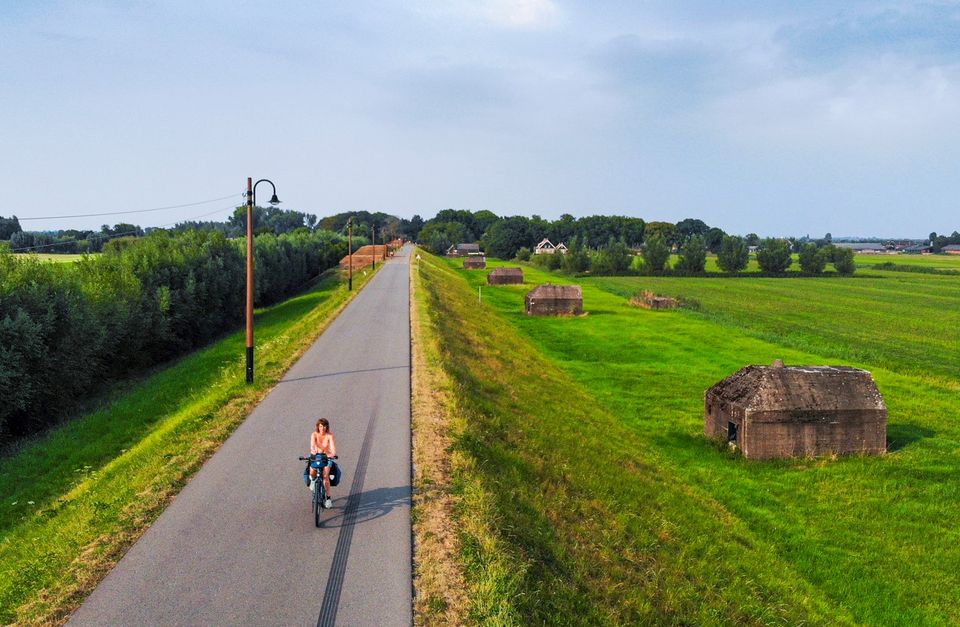
This centuries-old long dyke marks the border between the Betuwe to the east and the lowlands to the west. The purpose of the Diefdijk was to protect the lower-lying meadows whenever the higher Betuwe flooded. The dyke was reinforced in 2015 and still serves its purpose today. It was also part of the New Dutch Waterline: the area to the east of the dyke served as an inundation area. To this day, this area remains scarcely built up. Nature reserves of various sizes border the dyke on either side.

Diefdijk
4143 MG Leerdam -
-
Speelbos (forest playground) Nieuw Wulven
Speelbos (forest playground) Nieuw Wulven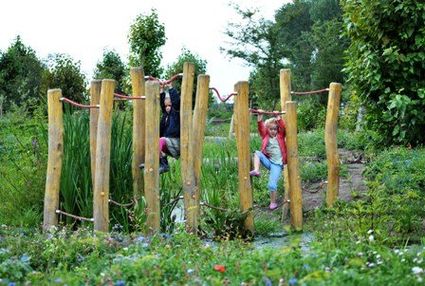
Binnenweg 26
3994 AN Houten -
Gagelbos
Gagelbos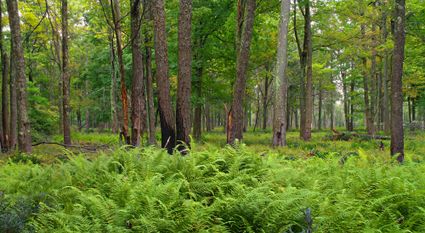
3566 MJ Utrecht -
Buiten in de Kuil - Lage Vuursche
Buiten in de Kuil - Lage Vuursche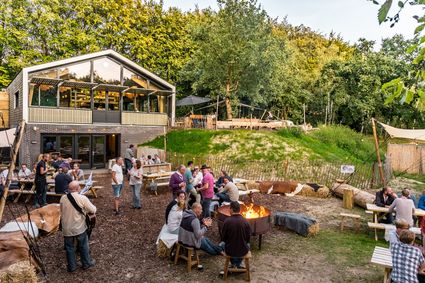
3749 AW Lage Vuursche -
TOP Zeist Castle
TOP Zeist Castle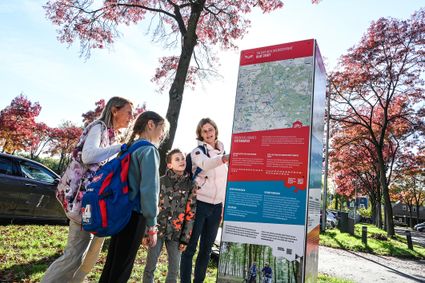
3703 CE Zeist -
Asschatterkeerkade
Asschatterkeerkade
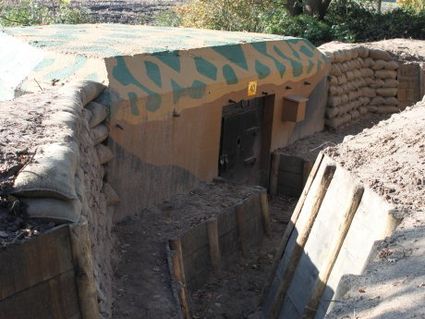
The Asschatterkade dates from 1745, and is one of the longest trenches of the Grebbelinie, with its length of 2500 metres. The trench from 1799 lies east of Leusden, at the edge of the flood plain. But there are also elements from more recent history which can be found.
The nine visible military bunkers, for example, were built during the mobilisation between 1939-1940. There is also a unique concrete tank barrier from this time. During the May Days of 1940, the Germans attempted in vain to break through the defences.
3831 JP Leusden -
-
Hotel Landgoed Zonheuvel****
Hotel Landgoed Zonheuvel****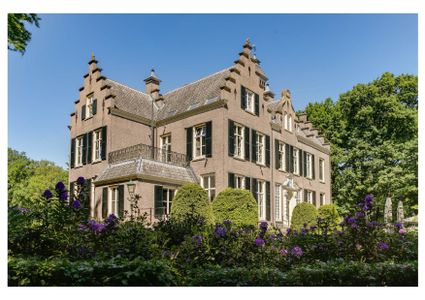
3941 EP Doorn -
Zeisterbos
Zeisterbos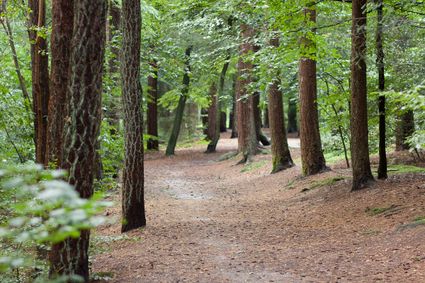
Prins Bernhardlaan 2
3708 BR Zeist -
Werk aan het Spoel
Werk aan het Spoel
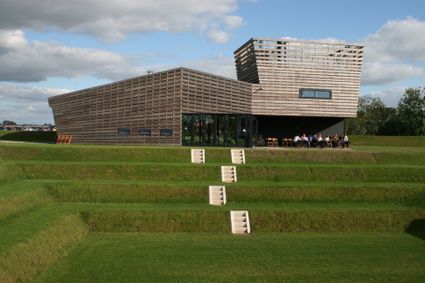
In 1815, a fan lock was built into the Lekdijk near Goilberdingen for inundation purposes. It was protected by an earthen battery. In 1848, the battery was upgraded to a fort. Later on, the inundation system was optimised, and four bomb-proof buildings were added to the fort. In peacetime, the road on top of the dyke ran right through the fort, but traffic was led around the fort in times of mobilisation. In 1939, seven concrete shelters and two machine gun casemates were added. An unusual feature is the high free-standing wall in a field to the south of the fort. This was the stop butt of a German firing range.
4106 LC Culemborg -
-
Fort Nieuwersluis
Fort Nieuwersluis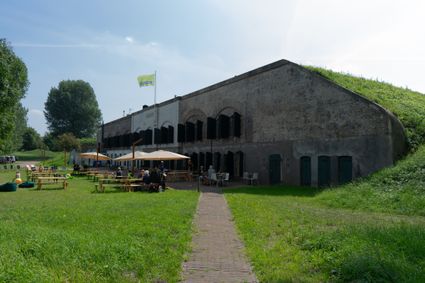
Rijksstraatweg 7b
3631 AA Nieuwersluis -
Delicacy shop ’t Kaasmeisje
Delicacy shop ’t Kaasmeisje
3421AC Oudewater -
Vianen
Vianen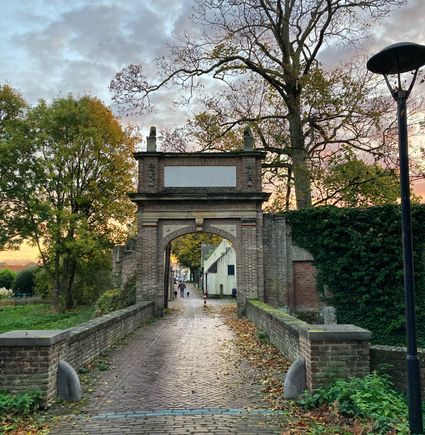
Vianen -
Fort Hoofdijk
Fort Hoofdijk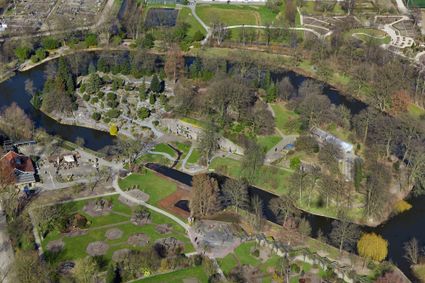
3584 HD Utrecht -
Bike boat Loosdrecht
Bike boat Loosdrecht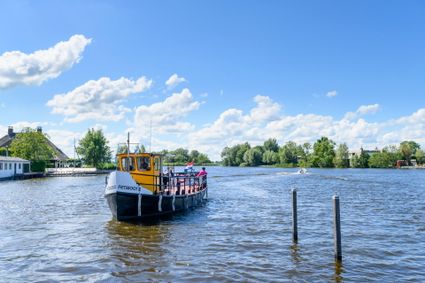
Oud-Loosdrechtsedijk
1231 LW Loosdrecht -
Geesberge country estate
Geesberge country estate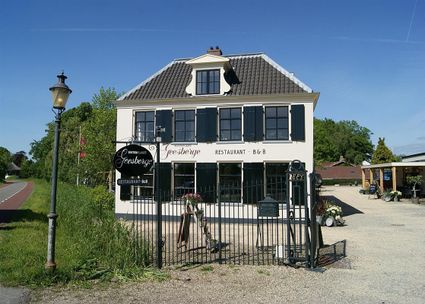
3601 NA Maarssen -
Grote Kerk Vianen (Great Church)
Grote Kerk Vianen (Great Church)
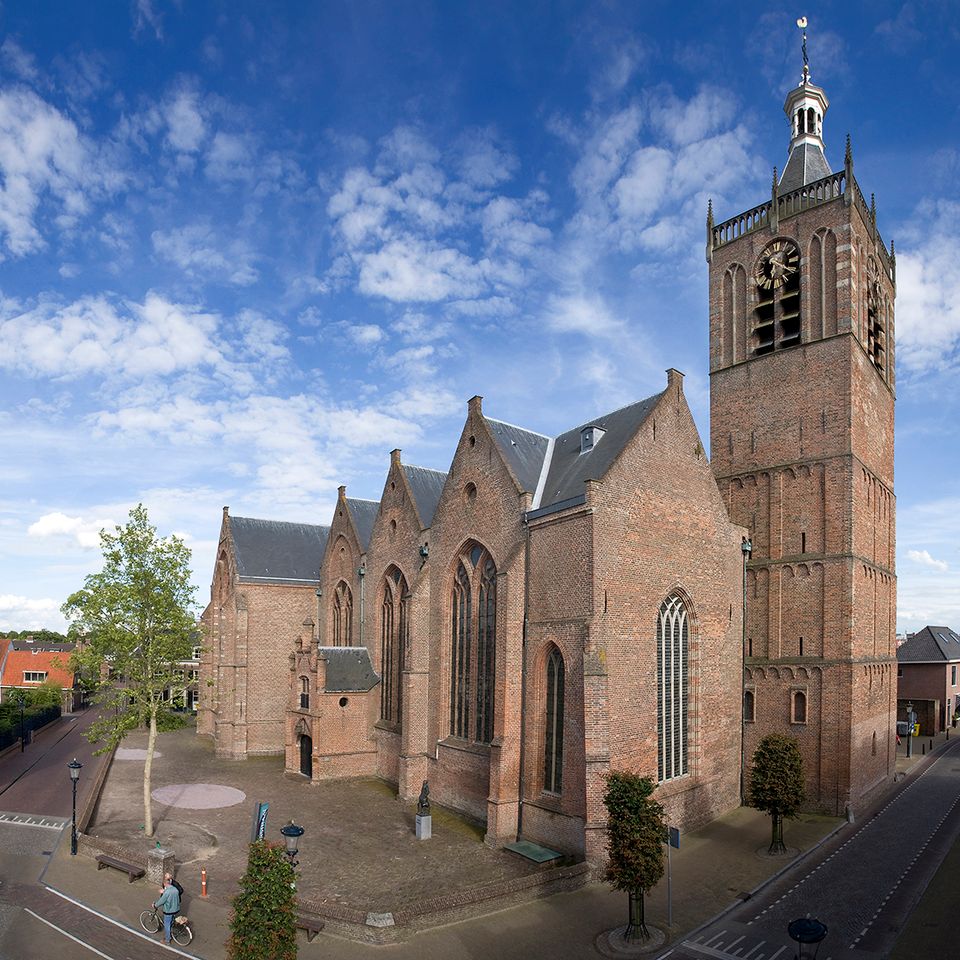
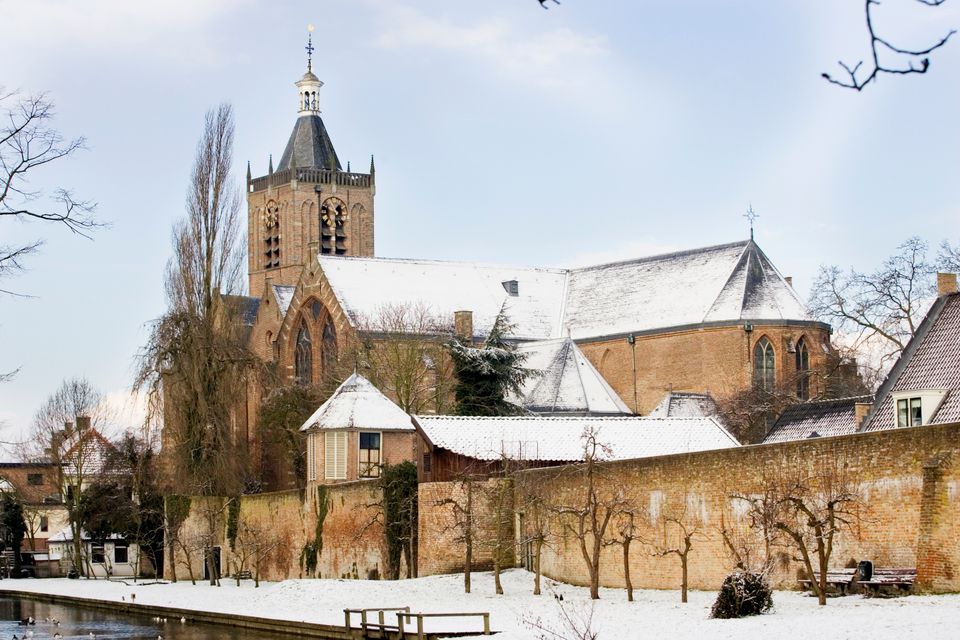
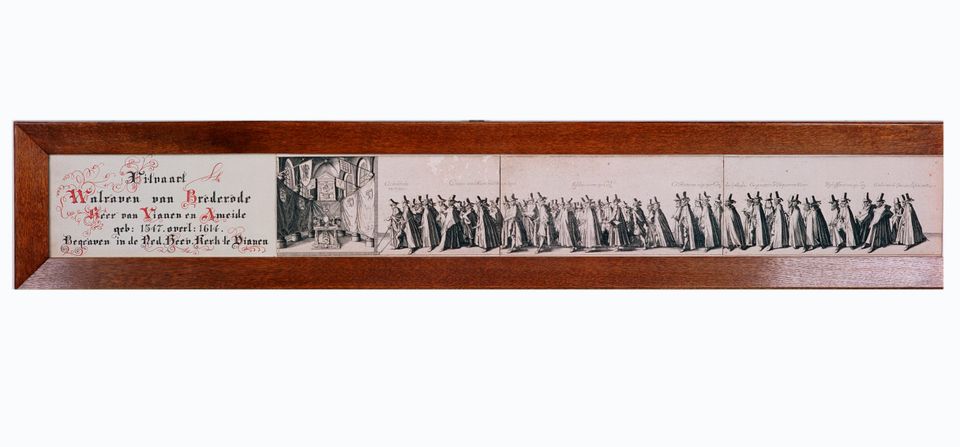
Hubrecht van Vianen founded a chapel in the 13th Century. It fell under the mother church in Hagestein and began growing fast. In the year 1345, it became a parish church and was granted marriage and burial rights. For this, a sum of money had to be paid to the church in Hagestein annually. In the 14th Century, the chapel was replaced by a single-nave church. In the year 1433, following a feud between Vianen and Hagestein, the Bishop of Utrecht decided to split the two churches.
In the mid-15th Century, the church was replaced by a 3-aisle Gothic hall church which is the same size as the current church. (Including the tower, it’s 77.5 metres long, 43 metres wide and 41 metres high.) Since the church also contains the family graves of the Lords of Vianen, it was required to match the grand status of the Brederodes in terms of its size and appearance.
After a fire in the year 1540, the church (de Grote Kerk) was rebuilt in its current form almost immediately (as a combination of a hall church and cruciform church) with the support of Reinoud III van Brederode. The church became Reformed under his son, Hendrik van Brederode. On 25 September 1566, the Roman Catholic institution disappeared and then, on 1 October, the first Protestant service was held.
Discover all monuments in Vianen.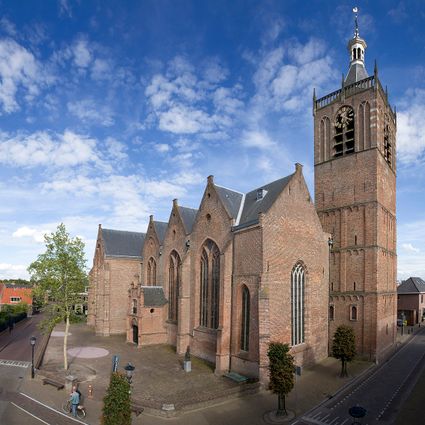
Voorstraat 110
4132 AT Vianen -
-
TOP Huis Doorn
TOP Huis Doorn
3941 MT Doorn -
Bike Boat Eemlijn
Bike Boat Eemlijn
Eemweg 72 (tussen fietsknooppunten 17 en 64)
3741 LC Baarn -
Muiden
Muiden
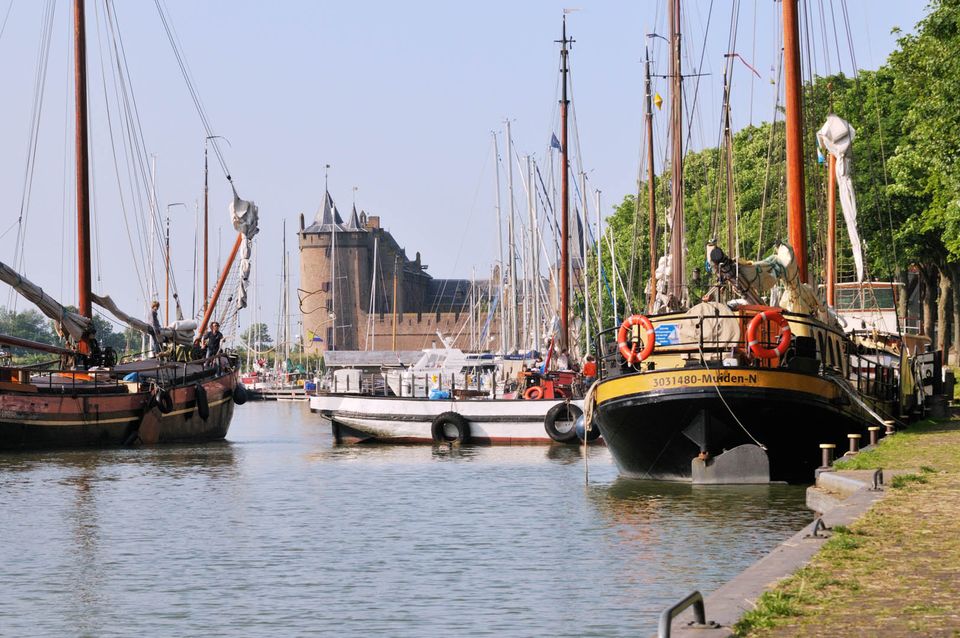
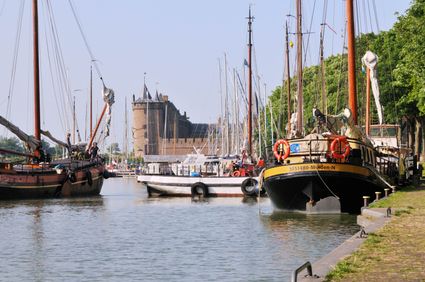
The best way to experience the convivial fortified city of Muiden is to take a stroll by the harbour with its many traditional sailing boats or to settle down at an outdoor café with a view of the Groote Zeesluis. Alternatively, you can explore the fort island of Pampus or visit the centuries-old Amsterdam Castle Muiderslot. Along with Naarden and Weesp, the fortified city of Muiden played an important role. Muiden closed off the Zeedijk dyke and protected the sea and inundation locks of the Vecht. Fort C, also popularly known as ‘the Muizenfort’, has a small museum about the New Dutch Waterline and the Defence Line of Amsterdam.
Herengracht
1398 AA Muiden -